




Neuropsychiatry
Latest News


Phase 2 MINDFul Trial Results on XPro1595 for Early Alzheimer Disease With Inflammation
By Leah Kuntz
Advertisement
Latest Videos






Shorts

1:28
Brain Health: Neuroscience & Resilience
23 days ago
1:38
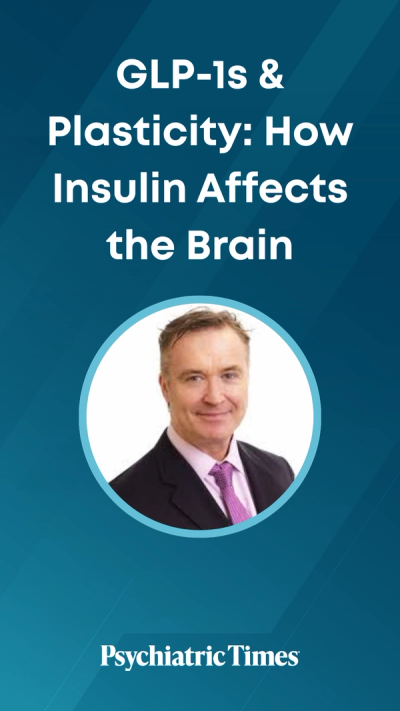
GLP-1s & Plasticity: How Insulin Affects the Brain
a month ago
by
Roger S. McIntyre, MD, FRCPC

1:46
New Monoclonal Antibodies: Remternetug for Alzheimer Disease
2 months ago
by
Matan Dabora, MD, MBA(+1 more)
1:39
Donanemab Shows Robust Amyloid Lowering in Alzheimer Disease
2 months ago
by
Brandy Matthews, MD

1:28
Treating Comorbid ADHD Is Crucial in Patients With Autism
5 months ago
by
Benjamin E. Yerys, PhD
Podcasts






CME Content



Advertisement
More News

Spot ICU delirium early with MD‑MOSAIC—an exam for ventilated patients that sharpens diagnosis, prevents harm, and improves outcomes.

In this CME article, learn how depression hides in organ failure, transplants, neurologic disease, and hormonal shifts—plus screening tips and safer treatment choices.

Data suggest PBFT02 therapy boosts progranulin and slows neurodegeneration markers in early FTD.

Shared pathophysiology between Alzheimer disease and autism may expand diagnosis and treatment opportunities.

Explore how sigma‑1 receptors shape ER–mitochondria signaling, calm neuroinflammation, and inspire therapies from fluvoxamine to dextromethorphan.

New data on long-term donanemab treatment.

Deep intracranial frequency stimulation 77.5 Hz high-gamma approach was associated with statistically significant reductions in self-injury behaviors and depressive symptoms in female adolescents with nonsuicidal self-injury.

Blood-based biomarkers for Alzheimer disease continue to improve, shares expert researcher.

Stroke recovery lasts years; learn why fatigue, sleep, hormones and cognition demand ongoing rehab beyond 90 days—and how progress can continue.
Pop psychiatry fuels misdiagnosis of autism or ADHD, delaying psychosis and bipolar treatment—why accurate labels and early meds save lives.

Psychiatry experts unpack why off-label medications are common and how evidence and dosing guide care.

Early-life immigration may heighten dementia risk yet build resilience.

Thomas J. Valente, MD, explains the need for evidence-based guidelines for stuttering and says psychiatrists can help lead care, reduce stigma, and improve support for patients.

Gus Alva, MD, shares the importance of proper recognition of stuttering among patients.

During STARS' international expert consensus meeting, experts discuss the treatment implications of psychiatric comorbidity and stuttering.

Adjunctive lithium sharply reduces relapse and suicidal ideation, and attempts in patients with bipolar disorder and major depressive disorder.

Data and Safety Monitoring Board finds no safety issues for buntanetap at 6 months, keeping Annovis’ phase 3 early Alzheimer disease trial on track as enrollment progresses.

Explore how glutamate and GABA balance brain excitation and inhibition, shaping development, learning, and disorders like depression, schizophrenia, and autism.

Meta-analysis reveals benefit of anti-inflammatory treatment for depression and anhedonia in individuals with inflammatory phenotype.

Review the misperceptions patients and clinicians may have about ADHD diagnosis and treatment.

Benjamin E. Yerys, PhD, shares clinical insights on the impact of the comorbidity at the APSARD Conference.

New research reveals midlife ADHD patients exhibit early Alzheimer disease biomarkers.

Explore the unique mood-stabilizing properties of antiepileptics like lamotrigine, valproic acid, and carbamazepine in bipolar disorder treatment.

Research reveals that reducing anticholinergic burden can significantly enhance cognitive function in patients with psychosis, offering new treatment insights.

Explore the complex relationship between epilepsy and psychosis, including forced normalization and treatment strategies for affected patients.
Advertisement
Advertisement
Trending on Psychiatric Times
1
Podcast: Early Intervention & Psychopharmacology in Bipolar Disorder With Robert M. Post, MD
2
Suicide Risk Assessment in Patients Denying Suicidal Intent
3
New Positive Phase 2 Topline Data on Elunetirom for the Treatment of Bipolar Depression
4
“Engineered Addiction”: Redefining Addictive Disorders and the Psychiatric Impact of Social Media
5