






Finding and treating the underlying cause of sleep disturbance is critical to effective management. Here are a few medical conditions that may trigger key disrupting symptoms.
Finding and treating the underlying cause of sleep disturbance is critical to effective management. Here are a few medical conditions that may trigger key disrupting symptoms.

How can psychiatrists help caregivers deal with behavioral disturbances at home, without the possibility of an in-person doctor’s appointment? In this video, Marc E. Agronin, MD, offers tips for helping patients with Alzheimer disease and other dementias.

Parkinson disease psychosis is associated with worsening quality of life, greater caregiver distress, higher rates of institutionalization, increased mortality, and greater health care costs. The authors explore medical, psychosocial, and psychological factors associated with PD psychosis.

BPSD is associated with worse outcomes for patients with dementia. Management is not standardized, but protocols generally involve the treatment of underlying symptoms followed by the use of nonpharmacological management techniques and evidence-based pharmacotherapy for refractory BPSD.
In this video, Marc E. Agronin, MD, discusses several factors that may play a role in agitation. One would be underlying medical causes. It could be an acute disease state impairing brain function. And the list goes on.

Recommendations for the use of antipsychotics for the management of behavioral and psychological symptoms of dementia.

Agitation can worsen function, pose safety concerns, and increase caregiver stress. It can be both confusing and frustrating to understand and manage these behaviors, but there are several approaches that can make all the difference.

Patients with a family history of Alzheimer disease worry that normal aging symptoms are the initial indication of a progressive cognitive impairment that they have observed in their relatives. A variety of interventions are discussed.

As the aging population grows, depression in older adults is also on the rise. Read the short case and test your knowledge.
Traumatic brain injury in older adults is a rising epidemic. Test your knowledge on the issues facing your patients.

Brain damage associated with dementia impairs affective regulation and executive function, and degrades cholinergic, serotonergic, and dopaminergic pathways. Dr Marc Agronin explains.
Although not a DSM diagnosis, fear of falling is recognized as a common source of functional impairment and distress. The author presents 7 commonly prescribed medication categories that may increase fall risk in older adults.
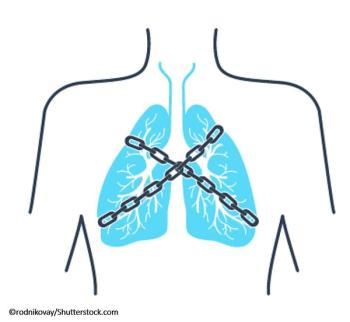
In a first-of-its-kind study, researchers from the Icahn School of Medicine at Mount Sinai, Montefiore Health System, and Albert Einstein College of Medicine are working together to examine the link between depression and asthma in older adults.
Three studies highlight sedentary behavior and memory, cognitive decline in psychosis, and risk of dementia with anticholinergic drugs.

How do older adults fare in coping with traumatic events and related psychiatric symptoms compared with younger individuals? Take the quiz and learn more.

A lively ongoing debate is examining the ethics and legality of age-based evaluation of clinicians.

Across all age groups, an estimated 5.3 million Americans are living with a TBI-related disability. Many of these individuals will live to be older adults.

With the prevalence of schizophrenia in older adults set to double and reach 1.1 million people in the US by 2025, greater attention to research and policy regarding this population is needed.
Three news studies show how eating habits and other lifestyle factors affect cognition and brain imaging may be useful in predicting dementia.

Educational privilege may play major role in age-related memory loss and dementia risk.
Three new studies shed light on the role of cardiac health in developing Alzheimer disease, depression, anxiety, and dementia.

Cataract surgery may have a salutary effect on the trajectory of cognitive decline.

A research roundup about long-term prescribing guidelines, “psychogenic death,” and implications for patients with depression and pain.

Evaluation of allocentric spatial processing may be a much better way to determine Alzheimer disease risk than egocentric spatial processing tools.

Cognitive problems have historically been the last to be recognized and treated in the clinical setting.