





From a look at adolescent substance use to special challenges in treating borderline personality disorder during the perinatal period, here are highlights from the week in Psychiatric Times.
From a look at adolescent substance use to special challenges in treating borderline personality disorder during the perinatal period, here are highlights from the week in Psychiatric Times.
![“The described effects of ACD856 may improve cognition, increase resilience, and promote neurorestorative processes, thereby leading to a healthier brain in patients with [Alzheimer disease].”](https://cdn.sanity.io/images/0vv8moc6/psychtimes/bdc70454947152c592c8b15d4271e2ea649256ea-10500x4750.jpg?w=350&fit=crop&auto=format)
“The described effects of ACD856 may improve cognition, increase resilience, and promote neurorestorative processes, thereby leading to a healthier brain in patients with [Alzheimer disease].”

From noninvasive brain stimulation techniques for catatonia to the concurrent treatment of eating disorders and PTSD, here are highlights from the week in Psychiatric Times.

Research using data from the All of Us Research Program seeks to solve the mystery of what makes medications work for some and not others.

The experts weighed in on a wide variety of psychiatric issues for the June 2023 issue of Psychiatric Times.

Aphasia is an impairment of language that frequently occurs following neurological injury, particularly stroke. Understanding the various types of aphasia, treatment modalities, and the importance of family education and training can empower clinicians in directing treatment.

Neuroimaging could help predict clinical response to treatment in bipolar depression.

How can procedures like repetitive transcranial magnetic stimulation and deep brain stimulation help in the treatment of eating disorders?
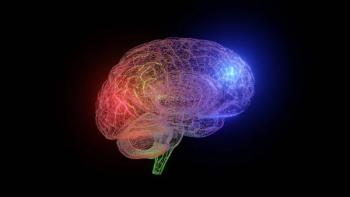
Researchers focused on elements across several categories, including brain state, cumulative exposure, and treatment and individualized parameters.

Many individuals infected with COVID-19 continue to experience symptoms after recovering from the initial viral infection. Persistent symptoms include neurocognitive and neuropsychiatric symptoms that can interfere with meaningful daily activities and roles. Given the symptom overlap, best practices and evidenced-based techniques for the treatment of concussion/mTBI can inform treatment approaches to manage symptoms and reduce the negative impact of long COVID.

Recognition is the first and most important step to treating behavioral and psychological symptoms of dementia.
From the new Surgeon General’s Advisory on Social Media and Youth Mental Health to our exclusive coverage of the 2023 APA Annual Meeting, here are highlights from the week in Psychiatric Times.

What is the connection?

Brexpiprazole has been approved by the US Food and Drug Administration for the treatment of agitation associated with Alzheimer disease dementia.

Study investigates connections between rTMS and factors including depression and cognitive performance.
From new FDA treatment approvals to choosing the right levels of care in crisis stabilization units, here are highlights from the week in Psychiatric Times.

When considering transcranial magnetic stimulation as a treatment option for treatment-resistant depression, here are some key questions to ask the patient.

Treatment is now the first and only once-at-bedtime oxybate to be approved by the FDA for individuals with narcolepsy.
From connections between bvFTD and primary psychiatric disorders to the impact of posttraumatic neuroendocrine dysfunction on recovery, here are highlights from the week in Psychiatric Times.

Traumatic brain injury-induced dysregulation of the neuroendocrine system and may contribute to the exacerbation of posttraumatic morbidity.
In this CME, learn more about frontotemporal lobar degeneration and the several overlapping syndromes that it encompasses, as well as how to distinguish behavioral variant frontotemporal lobar degeneration from other psychiatric disorders.
Here’s why TMS is a treatment option to consider in obsessive-compulsive disorder.

In a shock-prone world, city-level thinking is a new approach to optimizing the brain health and brain skills of citizens.

Patients' symptoms often have an etiology that is actually "all in their head..."

"It is amazing how much we know about the magnificent brain—and how much we have yet to learn."