
John J. Miller, MD, formally invites you to the Annual Psychiatric Times® World CME Conference™.

Dr Miller is Medical Director, Brain Health, Exeter, New Hampshire; Editor in Chief, Psychiatric Times; Voluntary Consulting Psychiatrist at Seacoast Mental Health Center, Exeter/Portsmouth, NH; Consulting Psychiatrist, Insight Meditation Society, Barre, Massachusetts.
John J. Miller, MD, formally invites you to the Annual Psychiatric Times® World CME Conference™.

Meditation is a powerful practice with risks and benefits. On rare occasions, those risks can be extreme.
How could drugs that block post-synaptic dopamine 2 receptors increase the risk for tardive dyskinesia over time?

Take the time to focus inward...

The psychiatrist's armamentarium to treat depression holds promise with a growing arsenal of integrative and pharmacologic options.

Meditation is a process and practice available to all.
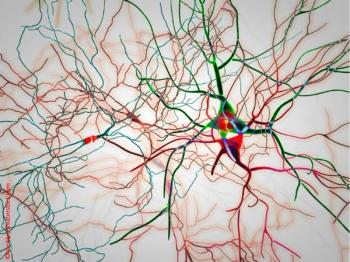
A message flowing through the brain, across neuronal systems... where is it headed?

Meditation: useful, helpful, and health-promoting for both psychiatrists and patients.

The more tools we have in our treatment toolbox, the greater the likelihood that we will ultimately find a treatment (or combination of treatments) to improve a given patient’s functioning and quality of life.

Taking a closer look at the N-methyl-D-aspartate receptors...
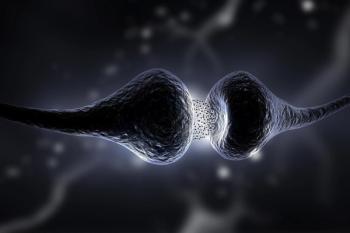
Information is buzzing around in the brain, but how does it transmit across neurons?

Handling aggression in patients with dementia can be difficult...

Providing quality mental health care in all treatment settings requires one crucial element: teamwork.

What dementia treatment makes an interesting appearance in classical literature?

As February comes to a close, we reflect on this month's contributions.

Cognitive disorders are varied and complicated, and require a close eye...

Our Editor in Chief addresses a question from our readers about caffeine.

Why are serum levels so important?
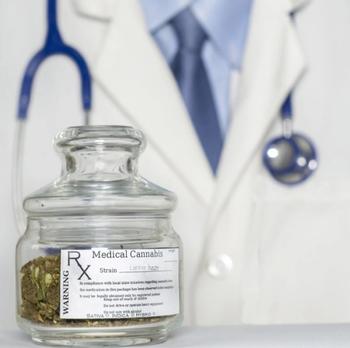
Look at the big picture on cannabis: what harmful effects could it potentially have on your patients' brains?

If we had 1 extra minute with our patients, what question would we ask?

The word cannabis does not tell us a whole lot, only that it came from that plant. What about the 100+ unexplored cannabinoids, and other unknowns?
What happens when a drug meets a receptor?
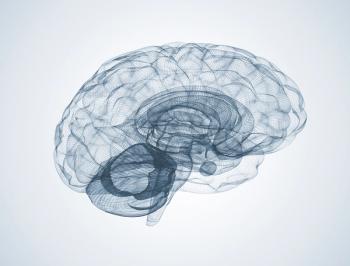
Every medication, when it interfaces with receptor, has a different consequence.

Patients with amputated or lost limbs may experience phantom limb pain, and one doctor explains how the brain still connects to a body part that is no longer there.
There is much to look forward to in the realm of improved treatments for patients with psychiatric illness.

Our basic science knowledge of the brain continues to explode beyond what science fiction of the past has predicted.

How did DSM begin and how did the most recent DSM get to its current state?

Take a look back at the year in covers with Psychiatric Times.
"Keep things as simple as possible, but no simpler..."

How has treatment for patients with schizophrenia evolved?