





One of the biggest challenges in treating depression is the ability to select the best treatment for a particular individual from among the many available options.
One of the biggest challenges in treating depression is the ability to select the best treatment for a particular individual from among the many available options.
Findings suggest that telemental health is not only effective for diagnosis and assessment across many populations and disorders in many settings, but it appears to be comparable to face-to-face care.

Here's where psychiatry extends beyond a medical setting into collaborative, innovative, and integrated models of care..

With greater expertise in user experiences, psychiatrists can position themselves to more strongly guide technology companies in building and implementing better apps.
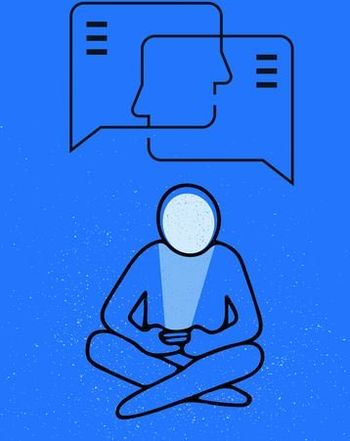
In this age of chat rooms and social media, an ever-growing number of psychiatric patients use the internet to find their treatment community online.

A review of the video game Hellblade: Senua’s Sacrifice and implications for psychiatry.

How well do you know your tech terms? Find out in this quiz.

Dr. Torous looks at the pros and cons of digital psychiatry with the goal of framing the opportunities and challenges for the year ahead.
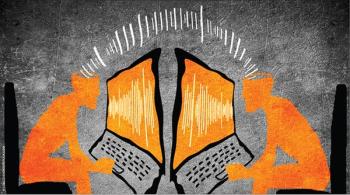
Technology holds great promise to improve the future of mental health. Here: an overview of the types of techology-based solutions currently available.

Telepsychiatry-based Cultural Sensitivity Collaborative Treatment is a promising and effective model to improve treatment of depression in underserved racial and ethnic minority populations. Details here.

How is technology affecting psychiatric practice and addressing barriers in the clinical care of our patients?
To explore the evolving role of smartphones in psychiatric care, this article focuses on schizophrenia as a disease-specific example of how new research and technologies are already being used to improve care.

This year we asked about the best and worst things relating to our field. As always, we received a diverse group of responses.
The era of evidence-based best practices has arrived, and psychiatry needs to get on board.

What does the evidence tell us about digital sensors for treatment adherence in patients with schizophrenia and other psychiatric disorders?
New tools for the armamentarium: a patient self-management app, a retinal imaging system, and a computer program for Alzheimer diagnosis.
The Slenderman case revives a long-standing debate: does media exposure influence acts of violence in youth?

With over 10,000 mental health related smartphone apps out there, how can a psychiatrist determine which are useful and which may be harmful? Chair of the American Psychiatric Association’s Workgroup on SmartPhone Apps offers tips in this brief video.
The latest news in geriatric psychiatry covers olfactory deficits in cognitively impaired patients, a smartphone app for older adults with serious mental illness, and adjunctive ketamine for late-life depression.

Access to illicit drugs is now as easy as a few swipes on a smartphone. Here's a primer for clinicians who aren't well acquainted with this trend and who aren’t familiar with the many substances themselves.
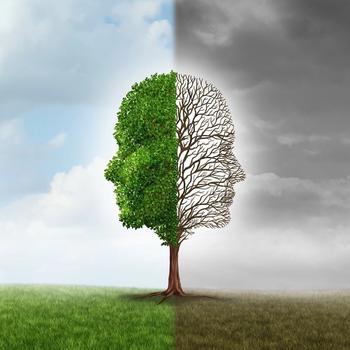
Look how close we are to the ideal: free online bipolar psychotherapy that is as effective as seeing a live therapist.

Finding a smartphone health app can be a challenge for both patients and physicians. A new evaluation model can help guide informed decision-making.
A review of smartphone tools for suicide prevention and recommendations for clinicians.
This has been a busy year for mental health technologies, but 2017 promises to bring advances never before seen in psychiatry.
A “high-tech” approach to relapse prevention in patients with schizophrenia.