





Addiction & Substance Use
Latest News
Advertisement
Latest Videos









Shorts
1:20
The Need For Quick Initiation of OUD and PTSD Treatment
19 days ago
by
Michael Freed, PhD, EMT
1:12
Dangers of Fentanyl: Addiction and Overdose
3 months ago
by
Jason Kirby, DO, MBA, DFASAM

0:56
Treating Athlete Pain, Pressure & Drugs
3 months ago
by
Mena Mirhom, MD, FAPA

1:06
Cognitive Control for Craving Management
4 months ago
by
Muhammad Parvaz, PhD
1:47
The 4 Stages of Gambling Addiction
4 months ago
by
Asim A. Shah, MD
1:08
Treating the Whole Patient With Substance Use Disorder
7 months ago
by
Rachel Rohaidy, MD
Podcasts


CME Content



Advertisement
More News

New ASAM youth criteria redefine SUD care with brain-stage levels, chronic monitoring, detox safety, and family-centered support.
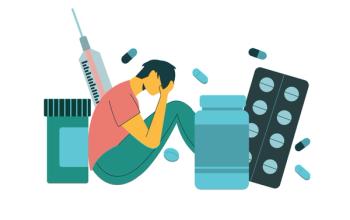
ASAM announces new youth substance use disorder criteria, promoting early intervention, family-focused care, integrated mental health, and updated levels of treatment.

AI romance chatbots turn loneliness into attachment—explore why they feel so real, and mental health risks unfolding now.

Phase 2 trial finds BXCL501 eases methadone-taper opioid withdrawal, outperforming lofexidine with simpler dosing and fewer adverse effects.

Cytisinicline helps smokers quit—even after multiple failed attempts—showing reduced nicotine dependence in phase 3 trials.


Alcohol, cannabis, nicotine and steroids quietly derail sleep, recovery, and focus for athlete patients.

Inside the opioid epidemic: psychiatry and addiction care, MOUD options, and why stigma, policy, and jails still block lifesaving treatment.

Explore the complex barriers affecting treatment retention for opioid use disorder, highlighting psychological, socioeconomic, and systemic challenges faced by patients.

Researchers discuss precision medicine's potential to enhance opioid use disorder treatment.
Experts discuss the complex relationship between ADHD treatment and substance use disorder.

Innovative combinations of transcranial magnetic stimulation and ketamine therapy offer new hope for treatment-resistant depression, pain, and substance use disorders.

Scienture's Rezenopy, the highest-dose naloxone nasal spray approved by the FDA, gains patent protection.

Adolescent cannabis use surges in Oklahoma, raising public health concerns amid rising THC potency and permissive regulations.

Jail diversion programs offer vital support for individuals with mental health and substance use disorders, promoting recovery and reducing recidivism.

Discover how combining transcranial magnetic stimulation and ketamine therapy revolutionizes treatment for complex conditions like depression and pain.

Nutriband engages with the FDA on its innovative abuse-deterrent fentanyl patch, paving the way for safer pain management solutions.

New research reveals how Candida albicans in the gut microbiome influences alcohol consumption and aversion, offering insights for treating alcohol use disorder.
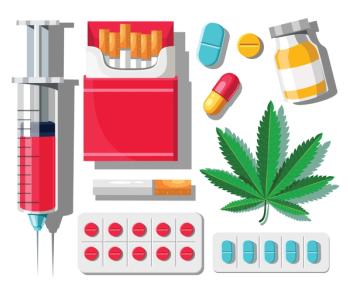
A recent study reveals higher substance use disorder rates in individuals with ADHD, highlighting significant sex differences and the impact of comorbid psychiatric conditions.

In this CME article, explore the complexities of movement disorders in psychiatric practice, including their causes, symptoms, and treatment strategies for better patient care.

AI chatbots rapidly integrate into daily life, raising concerns about dependency and mental health risks, paralleling the dangers of drug addiction.

Cannabis use among older adults surges as they seek relief from pain and anxiety, prompting clinicians to navigate complex treatment challenges.

Cognition Therapeutics advances zervimesine phase 2 trial, exploring its potential to slow cognitive decline in Alzheimer disease patients.

Achieve Life Sciences gains FDA acceptance for cytisinicline, a promising new drug for smoking cessation, showing significant abstinence rates in trials.

Altimmune's pemvidutide gains FDA Fast Track designation for alcohol use disorder.
Advertisement
Advertisement
Trending on Psychiatric Times
1
Podcast: Early Intervention & Psychopharmacology in Bipolar Disorder With Robert M. Post, MD
2
Suicide Risk Assessment in Patients Denying Suicidal Intent
3
New Positive Phase 2 Topline Data on Elunetirom for the Treatment of Bipolar Depression
4
“Engineered Addiction”: Redefining Addictive Disorders and the Psychiatric Impact of Social Media
5