

Explore how lifestyle psychiatry transforms depression treatment through nutrition, exercise, sleep, and social connections for holistic recovery and resilience.
Explore how lifestyle psychiatry transforms depression treatment through nutrition, exercise, sleep, and social connections for holistic recovery and resilience.

Let's examine the vital intersection of religion, spirituality, and mental health, revealing their powerful role in enhancing patient care and well-being.

Discover how access to nature enhances mental health, promoting healing and resilience through green spaces and innovative therapeutic practices.

Explore the transformative impact of lifestyle psychiatry on mental health, emphasizing exercise, nutrition, and connectedness for improved well-being in our latest Special Report.

Take a look at the long-term effects of stimulant medications on ADHD, specifically tolerance and its implications for treatment efficacy.

Discover how objective testing transforms ADHD diagnosis and treatment, enhancing accuracy and accessibility for adults in hybrid care settings.

Let's investigate the complexities of diagnosing and treating ADHD in older adults, highlighting its prevalence, comorbidities, and treatment challenges.

Misinformation about ADHD impacts treatment and self-perception. This Special Report clarifies misconceptions, promotes understanding, and supports informed care for individuals with ADHD.

Tardive dyskinesia significantly impacts older adults in long-term care, necessitating timely recognition and effective treatment strategies for improved quality of life.

Geriatric psychiatry navigates complex capacity evaluations, balancing patient autonomy with legal implications in decision-making for older adults.

Explore the complexities of insomnia in older adults, its impact on health, and effective management strategies for improved sleep quality.

Discover how advanced diagnostic tools enhance the accuracy of dementia assessments, leading to better treatment strategies and patient outcomes.

Review the September Special Report with articles on geriatric psychiatry, from a variety of experts.

Explore the challenges and strategies of deprescribing in geriatric psychiatry to enhance patient safety and reduce polypharmacy risks.

Geriatric psychiatry faces a growing demand for care. Collaborative models enhance access and improve outcomes for older adults with mental health needs.

Apathy significantly affects cognitive impairment patients, yet remains underrecognized. Discover effective assessment and treatment strategies for improved outcomes.
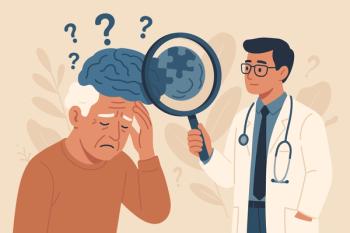
Explore innovative treatments in geriatric psychiatry, focusing on neuroplastic symptoms and emotional awareness therapy for older adults' chronic pain.

Geriatric psychiatry faces a critical shortage of specialists, impacting the mental health care of the rapidly growing older adult population.

Read the exclusive August Special Report on issues in diversity!

Black youth, particularly boys, face mischaracterization and punishment in schools.

Indigenous communities experience disproportionate rates of trauma, mental illness, poverty, and institutional mistrust.

Psychiatry confronts emotional asymmetry, revealing how race and privilege shape emotional expression and affective labor in clinical settings.

An expert shares the importance of lived expertise in addressing health care inequities and fostering a deeper understanding of diversity in medical practices.

The August Special Report emphasizes the urgent need for action beyond diversity in psychiatry, addressing systemic racism's profound impact on Black mental health.
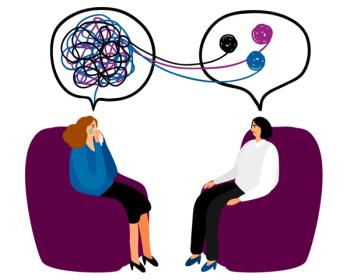
Psychotherapy faces skepticism in psychiatry, yet it remains vital for understanding patients' narratives and enhancing therapeutic relationships.

Ketamine-assisted psychotherapy has transformative potential as a groundbreaking approach to mental health that enhances healing through psychedelic experiences.

Effective psychodynamic strategies can help to engage difficult patients in psychotherapy, enhancing treatment outcomes and fostering meaningful therapeutic alliances.

Discover 6 essential steps for psychiatrists to enhance the effectiveness of CBT and DBT in treating young patients.

The strong emphasis on neuroscience in the 1990s and early 2000s is now giving way to a new psychiatric pluralism, one that increasingly views psychotherapy as real treatment and psychosocial factors as fundamental to understanding the causes and basic nature of psychopathology.

What is a sleep disorder? Explore the complexities of their definitions and the impact of circadian rhythms on health and well-being.