




Addiction & Substance Use
Latest News
Advertisement
Latest Videos



Shorts
1:11
Treatment for Cannabis Use Disorder With PP-01
5 days ago
by
Shelli Graham, PhD
1:20
The Need For Quick Initiation of OUD and PTSD Treatment
4 months ago
by
Michael Freed, PhD, EMT
1:12
Dangers of Fentanyl: Addiction and Overdose
7 months ago
by
Jason Kirby, DO, MBA, DFASAM
0:56
Treating Athlete Pain, Pressure & Drugs
7 months ago
by
Mena Mirhom, MD, FAPA
1:06
Cognitive Control for Craving Management
7 months ago
by
Muhammad Parvaz, PhD
1:47
The 4 Stages of Gambling Addiction
7 months ago
by
Asim A. Shah, MD
1:08
Treating the Whole Patient With Substance Use Disorder
10 months ago
by
Rachel Rohaidy, MD
Podcasts


CME Content







Advertisement
More News

See the latest in this psychiatric news roundup.

PleoPharma secures $6.5M NIDA grant to advance phase 3 PP-01 trial, aiming to ease cannabis withdrawal and address untreated cannabis use disorder.

Long-acting injectable buprenorphine cuts missed doses, boosts retention, and protects patients during high-risk transitions in the fentanyl era.

Urine drug screenings are often misordered and misread, risking stigma and harm; learn immunoassay limits, confirmatory testing basics, and when testing truly helps.

Learn why varenicline leads smoking cessation products in bipolar disorder, with reassuring safety data and practical strategies when quitting proves difficult.

Retrospective cohort study of 1305 adults finds specialized virtual behavioral health care produced clinically meaningful gambling symptom improvement within 14 days.
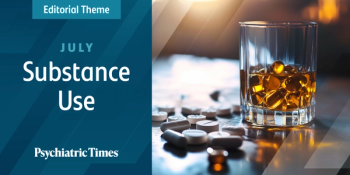
Share insights on substance use care—practice tips, research, and cases—for Psychiatric Times’ July 2026 series. Pitch your article today.

FDA issues CRL for cytisinicline, citing manufacturing issues.

Lawsuits, research, and clinicians clash over youth screen addiction—learn more about how problematic social platform use evades diagnosis and how we can curb harm.

Real-world claims show opioids remain common in fibromyalgia despite guidance, highlighting safety concerns and interest in FDA-approved non-opioid option Tonmya.

Why schizophrenia shortens life: smoking, metabolic risks, and care gaps drive a 15-year mortality loss—and clinicians can help close it.

GLP-1 drugs like semaglutide may curb alcohol and opioid cravings, as trials expand, combos emerge, and interaction risks surface.

ASAM’s new youth SUD criteria help clinicians deliver developmentally tailored, prevention-first care with coordinated family and community supports.

New youth-focused substance use guidelines spotlight prevention, brain development, and coordinated mental health support to improve outcomes early.

New ASAM youth criteria redefine SUD care with brain-stage levels, chronic monitoring, detox safety, and family-centered support.
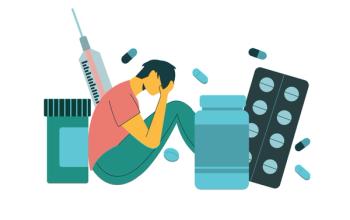
ASAM announces new youth substance use disorder criteria, promoting early intervention, family-focused care, integrated mental health, and updated levels of treatment.
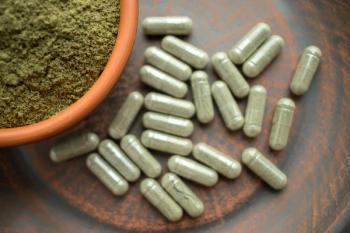
An expert shares why new kratom variants have dangerous implications for substance use disorder.

AI romance chatbots turn loneliness into attachment—explore why they feel so real, and mental health risks unfolding now.

Addiction experts explain fentanyl’s deadly new mixes, why naloxone can fail, and how early screening and trauma care boost recovery.

Phase 2 trial finds BXCL501 eases methadone-taper opioid withdrawal, outperforming lofexidine with simpler dosing and fewer adverse effects.

Cytisinicline helps smokers quit—even after multiple failed attempts—showing reduced nicotine dependence in phase 3 trials.
New research trains cognitive control to curb stimulant cravings.


Alcohol, cannabis, nicotine and steroids quietly derail sleep, recovery, and focus for athlete patients.

Sports betting apps fuel dopamine-driven gambling addiction.
Advertisement
Advertisement
Trending on Psychiatric Times
1
The Adolescent Brain and Schizophrenia: What Research Reveals About Pruning, Dopamine, and Myelin
2
Exploring a Misuse of Neuroscience: How Biology Has Been Used to Remove Responsibility in Youth
3
Searching for a New TMS Target in Schizophrenia, With Andrew Pines, MD
4
Using Psychotherapy for the Prevention of Relapse in Schizophrenia
5