

Conference Coverage
about 1 month ago
Objective Testing for ADHD: Latest Tests and BenefitsLatest Content

Apr 15, 2026 | Publication
Tinnitus Associated With Bupropion: The Importance of Dosage Adjustment
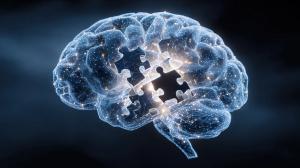
Study Links Autism and Alzheimer Disease Through Shared Pathophysiology
Apr 14, 2026

New US Grant Program Announced for Post-Approval COMP360 Provider Training
Apr 14, 2026
The Curious Story of Sigma-1 Receptors
Apr 14, 2026

Lybalvi Associated With Improvement in Negative Symptoms of Schizophrenia: Findings From Long-Term Analysis
Apr 14, 2026






Advertisement
Shorts
1:42
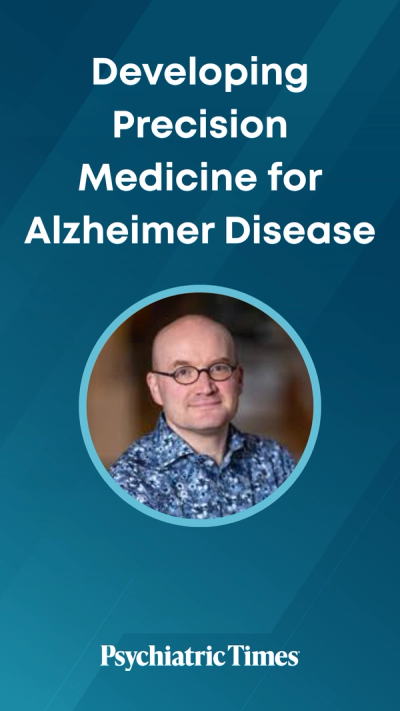
Developing Precision Medicine for Alzheimer Disease
2 days ago
by
Joachim Reischl, PhD
3:35
The #1 Tool for Managing Bipolar Disorder: Routine
5 days ago
by
Alberto Augsten, PharmD, MS, BCPP
2:02
Coach and Athlete Sleep: Psychiatric Perspectives
6 days ago
by
Derek H. Suite, MD, MS(+2 more)

3:18
Correlation of Depression and Inflammatory Skin Disease
8 days ago
by
Emma Guttman, MD, PhD(+1 more)
1:09
Pediatric Sleep Needs and Healthy Behaviors
19 days ago
by
Joseph Dzierzewski, PhD
1:34
Deprescribing and Assessing Pharmacology Over Time
20 days ago
by
Joseph F. Goldberg, MD

1:32
Developments in Psychedelics for Depression
23 days ago
by
Hans Eriksson, MD, PhD
1:08
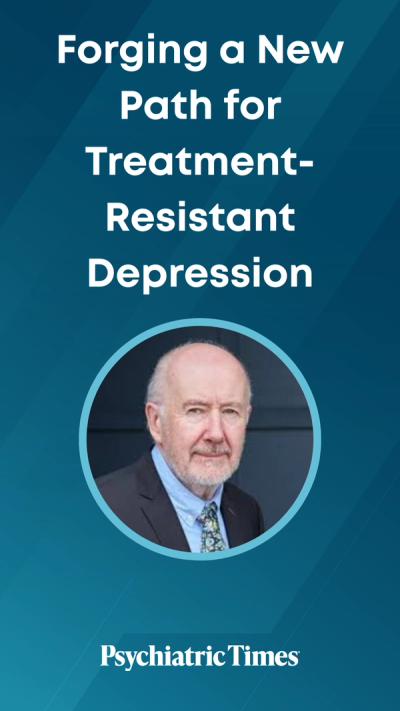
Forging a New Path for Treatment-Resistant Depression
a month ago
by
Guy Goodwin, MD
1:15
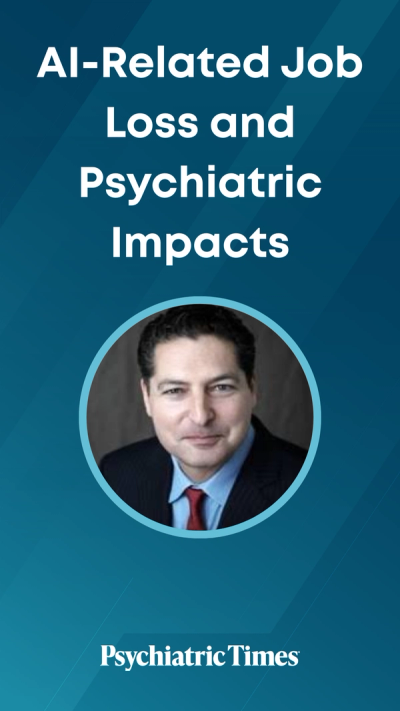
AI-Related Job Loss and Psychiatric Impacts
a month ago
by
Andrew O. Brown, MD

1:50
A Turning Point in Psychedelics
a month ago
by
Jama Pitman





Digital Edition









Podcasts





Continuing Medical Education








All News
Advertisement
Advertisement

Psychiatry training must catch up with chatbot literacy, intake, safety, ethics, and supervised AI integration.

With Artemis II’s journey in mind, a psychiatrist urges mental health action on climate denial, resilience, and saving Earth before it’s too late.

A pharma expert and clinician shares perspectives on developing treatments.

“Each person the right to tell their own story in their own way”: An Italian-Canadian psychiatrist traces family journeys across 3 countries, revealing migration’s lessons on identity, belonging, and resilience.

Exercise boosts recovery in depression and psychosis, and improves cognition and quality of life; clinicians can now use the 5A model to make movement a routine psychiatric tool.

Artemis II astronauts spark a psychiatrist’s look at “joy trains,” music, and meaning—practical ways teams rekindle joy and prevent burnout.

Reality TV puts therapy on camera, reducing stigma but raising ethical, privacy, and misinformation risks—and affecting viewers and cast.

New ASAM youth criteria redefine SUD care with brain-stage levels, chronic monitoring, detox safety, and family-centered support.

From Artemis II’s fiery return to life after prison or vacation, this article shows how reentry stress becomes a skill for growth.

To prescribe or not to prescribe?
Advertisement

Deep intracranial frequency stimulation 77.5 Hz high-gamma approach was associated with statistically significant reductions in self-injury behaviors and depressive symptoms in female adolescents with nonsuicidal self-injury.

What can the Artemis II astronauts tell us about both outer space and the inner space of our minds?

BPL-003 phase 2a part 2 results show reductions in depression symptoms.
A new US Department of War backed phase 2a study will test BXCL501's efficacy in easing acute stress reactions and preventing PTSD.
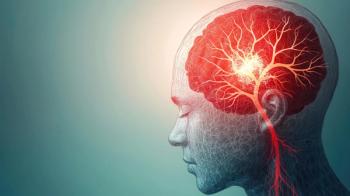
Stroke recovery lasts years; learn why fatigue, sleep, hormones and cognition demand ongoing rehab beyond 90 days—and how progress can continue.
Advertisement
Advertisement
Trending on Psychiatric Times
1
Lybalvi Associated With Improvement in Negative Symptoms of Schizophrenia: Findings From Long-Term Analysis
2
Study Links Autism and Alzheimer Disease Through Shared Pathophysiology
3
The Curious Story of Sigma-1 Receptors
4
A New Reality for Psychiatry: Is Reality TV a Friend or Foe?
5