






Alzheimer Disease & Dementia
Latest News
Advertisement
Latest Videos



Shorts
1:50
Dementia & Benzodiazepines in Older Adults
a month ago
by
Joseph F. Goldberg, MD(+1 more)
1:19
Appropriate Benzodiazepine Prescribing
2 months ago
by
Joseph F. Goldberg, MD(+1 more)

0:55
The Explosion of Alzheimer's Drug Research
2 months ago
by
Oleg Tcheremissine, MD

0:30
Can Sleeping Pills Treat Alzheimer Disease?
2 months ago
by
Tri Doan, MD, PhD

0:43
Why Sleep Is Critical for Psychiatric Health
2 months ago
by
Tri Doan, MD, PhD

0:42
How Genetics and Sleep Quality Predict Early Alzheimer Disease
2 months ago
by
Tri Doan, MD, PhD

0:41
The Biggest Challenge in Treating Alzheimer Disease
2 months ago
by
Oleg Tcheremissine, MD
0:43
Is Alzheimer Disease Actually Type 3 Diabetes?
2 months ago
by
Oleg Tcheremissine, MD

2:18
Zolpidem Slows Alzheimer Progression in Animal Studies
3 months ago
by
Ksenia Kastanenka, PhD

1:16
FDA Decision Date Extended for SQ Leqembi for Alzheimer Treatment
5 months ago
by
Rajesh R. Tampi, MD, MS, DFAPA, DFAAGP
Podcasts


CME Content






Advertisement
More News

See the latest in this psychiatric news roundup.
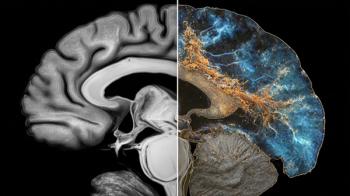
FDA clears a simple pTau217 blood test that helps clinicians rule in or out Alzheimer’s amyloid earlier, expanding access beyond PET/CSF.
A quick recap of the last week in psychiatric news.

FDA approves PET imaging agent for Alzheimer disease tau pathology.

Explore Alzheimer’s breakthroughs: lecanemab, donanemab, FDA blood tests, 2024 criteria, and new options to ease agitation and improve care.

New Alzheimer trial news highlights safer anti-amyloid PMN310, cannabinoids easing agitation, tau gene therapy progress, FDA Fast Track psychosis drug, and TBI inflammation targets.

How can new Alzheimer therapies benefit patients today?
New data show post‑TBI inflammation boosts amyloid; blocking soluble TNF with XPro1595 preserves memory and reduces pain, hinting prevention.

PMN310 shows strong 6‑month safety in early Alzheimer disease, with zero ARIA‑E and encouraging tau biomarker shifts before 2027 data.

After TBI, soluble TNF sparks Alzheimer-like damage; XPro1595 blocks it in mice, preserving memory and reducing pain—hinting prevention.

New data show APOE4 worsens early sleep disruption in Alzheimer models; CN-105 and zolpidem restore deep sleep and may slow amyloid buildup.

FDA grants Fast Track to Acadia’s remlifanserin for Alzheimer disease psychosis, targeting hallucinations and delusions as RADIANT trial advances toward 2026 data.

Oral THC/CBD combo rapidly eases severe dementia agitation in phase 2 trial, with sustained 12-week benefit and similar safety to placebo.

New review links lithium and Alzheimer disease treatment, fueling calls for biomarker-guided, low-dose clinical trials testing lithium’s multi-target disease-modifying potential.

New primate data show IV tau-silencing gene therapy cuts brain tau up to 75% with liver-sparing safety, clearing path for 2026 trial.

Phase 2 MINDFuL data show XPro trends toward cognitive and biomarker gains in inflammation-defined mild Alzheimer disease, with no ARIA, guiding phase 3 plans.
Oral zervimesine blocks toxic amyloid and alpha-synuclein oligomers, as Cognition maps FDA strategy for Lewy body trials.
CT-1812 shows promise in Lewy body dementia, stabilizing hallucinations and delusions while easing caregiver distress.

New psychiatry drugs target dementia agitation, ADHD, depression, TRD, and schizophrenia—see which novel mechanisms may reach the FDA next.

Learn how to better assess and manage behavioral and psychological symptoms of Alzheimer disease dementia.
Auvelity is now approved for the treatment of Alzheimer disease agitation. Rajesh R. Tampi, MD, MS, DFAPA, DFAAGP, weighs in.

The FDA has approved Auvelity, an oral NMDA/sigma-1 therapy, offering a new option to curb Alzheimer disease agitation and ease caregiver burden.
FDA approves Axsome’s AXS-05 for Alzheimer’s agitation, backed by multiple trials.
AXS-05 for Alzheimer disease agitation nears FDA decision date.

Emerging student researchers share their award-winning neuroscience and psychiatry projects.
Advertisement
Advertisement
Trending on Psychiatric Times
1
Olanzapine LAI (Weltruza) Receives FDA Approval for Schizophrenia
2
FDA Grants Clearance to Motivista, the First Authorized Treatment for Negative Symptoms of Schizophrenia
3
Moving Away From Treatment-Resistant Depression and Toward Difficult-to-Treat Depression
4
Blood-Based Biomarkers for Alzheimer Disease: Accuracy, Limits, and Confounders
5