






Bipolar Disorder
Latest News
Advertisement
Video Series
Latest Videos








Shorts
1:15
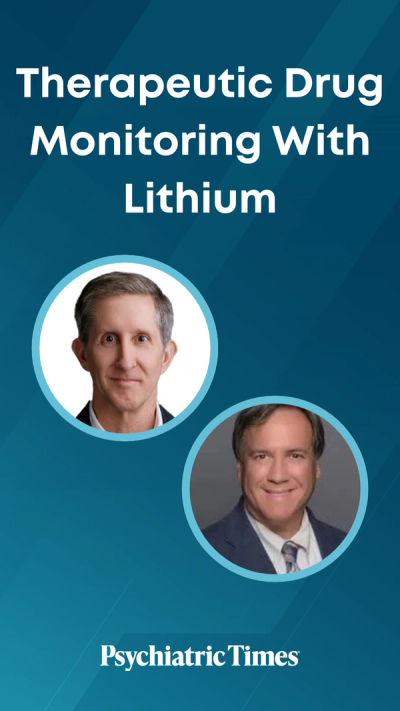
Therapeutic Drug Monitoring With Lithium
5 days ago
by
Joseph F. Goldberg, MD(+1 more)

1:48
Managing Bipolar Disorder & Medication During Pregnancy
5 months ago
by
Veerle Bergink, MD
3:35
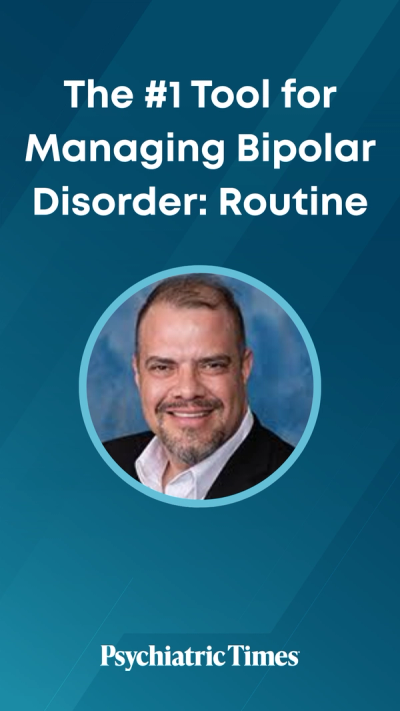
The #1 Tool for Managing Bipolar Disorder: Routine
6 months ago
by
Alberto Augsten, PharmD, MS, BCPP

1:11
Bipolar Diagnostic Challenges and Antidepressant Failure
10 months ago
by
Manish Zinzuvadia, MD

0:30
Switching Medications for Patients With Bipolar Disorder, Tips from Daria Lewis, DNP, FNP
a year ago
by
Daria Lewis, FNP, DNP
Podcasts






CME Content






Advertisement
More News

DSM's real weakness isn't categories—it's weak science. Explore when disorders are diseases vs dimensions, and why overlap misleads.

Learn how clinicians manage bipolar disorder in women who may become pregnant—safer meds, contraception counseling, and relapse prevention.

Once-nightly regular-release lithium cuts kidney risk, maintains bipolar control, improves adherence, and guides safer serum levels.

Phase 2 trial shows elunetirom rapidly eases bipolar depression symptoms with strong response, good tolerability, and FDA Fast Track momentum.

Phase 3 at-home data show sublingual dexmedetomidine cuts severe agitation in bipolar disorder and schizophrenia, supporting FDA label expansion.

Learn how to spot bipolar mixed features, avoid antidepressant pitfalls, and choose evidence-based antipsychotics.

Real-world registry data reveals young adults with mood disorders face high TD burden yet low diagnosis rates, spotlighting urgent screening gaps.

Clinicians explore neuroscience-guided off-label prescribing.

Psychiatry experts explain why off-label psych meds and polypharmacy can be essential.

New evidence shows lithium adds minimal weight in bipolar disorder and explains why some gain occurs—plus practical tips to prevent it.

Phase 2 study tests AL001 brain-targeted lithium in bipolar I, aiming to cut toxicity and monitoring via advanced MRI/MRS imaging.

A care partner shares how routines, early warning signs, supportive clinicians, and community help families manage bipolar I disorder and sustain hope.

New evidence suggests age-adjusted eGFR cutoffs refine CKD risk, guiding safer lithium use and avoiding unnecessary kidney alarms.

FDA clears Bysanti, a novel atypical antipsychotic for acute bipolar I and schizophrenia, leveraging Fanapt data; US launch planned 2026.

Adjunctive lithium sharply reduces relapse and suicidal ideation, and attempts in patients with bipolar disorder and major depressive disorder.

Explore insights on bipolar disorder, including suicide risk assessment and comorbidities. Share your insights and experiences today with our February theme!

LB Pharmaceuticals initiates a phase 2 trial for LB-102, a promising treatment for bipolar depression, aiming to address unmet needs in mood disorders.

BioXcel Therapeutics submits an sNDA to the FDA for Igalmi to treat agitation in bipolar disorder and schizophrenia at home.

Clinicians can guide patients with bipolar disorder in setting flexible, achievable New Year’s goals, enhancing motivation and stability throughout mood fluctuations.

Syremis Therapeutics advances innovative drugs ST-905 and ST-901 for schizophrenia and major depressive disorder, aiming to transform mental health treatment.

Valproate's role in treating bipolar disorder is questioned as evidence suggests better alternatives exist for managing acute mania and maintenance.

New research suggests semaglutide may protect against lithium-induced renal injury, offering hope for safer bipolar disorder treatments.

In this CME article, explore effective strategies for assessing and preventing suicide risk in patients with bipolar disorder, including interdisciplinary approaches and evidence-based interventions.

Explore the evolving role of lamotrigine in treating bipolar depression, highlighting its benefits, risks, and recent clinical guidelines.

Laguna Diagnostics revolutionizes psychiatric interventions with patented blood tests that accurately diagnose schizophrenia and bipolar disorder.
Advertisement
Advertisement
Trending on Psychiatric Times
1
The New, Impending Adult ADHD Guidelines
2
What Makes Us Human? The Role of Psychiatry and the Future DSM
3
Reimbursement and Resources: Preparing Clinics for Psilocybin Therapy
4
Two New MDD Approvals: 5-HT1A Agonism and Adjunctive Atypical Antipsychotics
5