



Major Depressive Disorder
Latest News


New Real-World Data Supporting Cariprazine for MDD and Bipolar I Depression
By Leah Kuntz
Advertisement
Video Series

Latest Videos



Shorts
1:04
Depression vs Sexual Dysfunction in Women
6 days ago
by
Joseph F. Goldberg, MD(+1 more)
1:01
Links Between Depression and Sexual Dysfunction
13 days ago
by
Joseph F. Goldberg, MD(+1 more)
1:09
Psychedelics for Treatment-Resistant MDD With HLP003
22 days ago
by
Ken Kramer, PhD
1:06
HLP003 Psilocybin for MDD
23 days ago
by
Ken Kramer, PhD
1:30
Remission Rates in the First 2 Weeks of Treatment
2 months ago
by
Lara Shirikjian, MD
1:26
Targeting Sleep Quality in Depression
2 months ago
by
Gregory Sullivan, MD
1:37
Seltorexant vs Quetiapine Adjunct for MDD
2 months ago
by
Jane Tiller, MD
1:33
Expanding the Neurotransmitter View of Depression
2 months ago
by
Jason Kellogg, MD
1:14
Relationship of REM Sleep and Depression
3 months ago
by
Jack Peltz, PhD
0:54
Predicting Depression From Sleep Data Via Machine Learning
3 months ago
by
Matt Sprague
Podcasts






CME Content






Advertisement
More News

Health Canada has authorized a 200-participant phase 2 trial testing a single psilocybin dose for major depressive disorder, with dosing set to begin in 2027.

Phase 1 driving simulation finds bedtime GlyphAllo for major depressive disorder shows no next-morning driving impairment, while advancing allopregnanolone-based oral treatment development.

Pramipexole was associated with improvement in anhedonia and apathy, and with increased physical activity in patients with mood disorders, in a placebo-controlled trial that measured both behavioral and neurophysiologic change.

Discuss depression care challenges, comorbidities, and new treatments—submit cases, research, or CME ideas for Psychiatric Times’ September 2026 series.

Much of what we call "treatment-resistant" depression may be mismatched, not resistant. A psychiatrist makes the case for trading the failed-drug tally for a difficult-to-treat framework clinicians can act on Monday morning.

Remote, home-based tDCS shows modest symptom relief and higher remission in major depression, with generally good safety but burn risks to watch.

Learn how clinicians tailor simple, measurable activity plans that boost depression and anxiety treatment—and improve long‑term adherence.

From long-acting antipsychotics to psilocybin and new ADHD meds, clinicians weigh emerging therapies reshaping depression and postpartum care.
Low-dose TNX-102 SL targets sleep receptors for MDD, avoiding norcyclobenzaprine buildup and promising cleaner daytime tolerability in HORIZON trial.
Explore how TNX-102 SL aims to improve major depressive disorder by enhancing slow-wave sleep, as the HORIZON phase 2 trial tests nightly dosing.
Explore next-gen depression therapies targeting neuroplasticity and why biomarkers may unlock precision psychiatry for MDD.
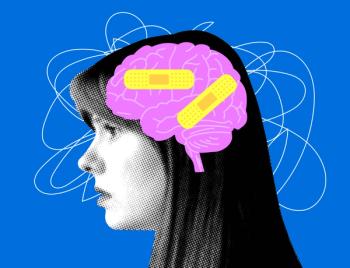
Concussion recovery in teen athletes often masks anxiety or depression; learn warning signs, screening tips, and safer return-to-play steps.

Meta-analysis ranks add-on atypical antipsychotics for MDD, comparing symptom response and dropout risks to guide smarter next-step treatment.

COMP360 psilocybin shows rapid, durable gains in treatment‑resistant depression, as psychedelics continue to grow.

Learn how fast-acting oral zuranolone treats postpartum depression in days, with practical prescribing and breastfeeding guidance clinicians can use.
Phase 3 COMP360 psilocybin data show lasting TRD relief; experts explain brain-network reset, therapy support, and what approval could mean.

At the Southern California Psychiatry Conference, Jason Kellogg, MD, shares insights into the evolution of the MDD pipeline, with an eye on rapid-acting novel mechanisms.
Explore rapid TRD breakthroughs: accelerated TMS like SAINT, emerging neuromodulation tools, near-term psychedelic therapies, and why sharper diagnosis improves outcomes.

Consensus guidance clarifies IV ketamine dosing, monitoring, staffing and consent to support safer, evidence-based depression treatment.
Expert explores fast-acting depression treatments, psilocybin trial pitfalls, and why stigma still limits buprenorphine access for opioid use disorder.
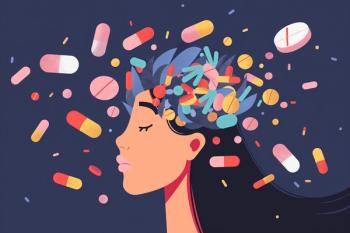
Psychiatrists debunk 10 common antidepressant myths—placebo claims, addiction fears, suicide risk, overuse, and withdrawal—offering evidence-based guidance.

Largest real-world analysis shows Deep TMS cuts PTSD and depression symptoms in comorbid patients; promising but not FDA-cleared yet.
New data suggest seltorexant may ease insomnia in MDD while limiting weight gain and potentially improving metabolic risk factors.
Phase 3 data show adjunctive seltorexant eases depression and insomnia with lessened weight gain and somnolence.

Phase 3 results show single-dose DT120 lysergide ODT delivers rapid, lasting relief in major depressive disorder with mild, transient adverse effects.
Advertisement
Advertisement
Trending on Psychiatric Times
1
The Top 7 Atypical Psychedelics: A Brief Clinical Guide
2
Positive Topline Phase 3 Study Results: Lumateperone for Manic Episodes in Bipolar I Disorder
3
New Analyses of HLP003 for the Adjunctive Treatment of MDD
4
Positive Phase 1b Results Demonstrate Clinical Proof-of-Concept for ALKS 7290 in Adults With ADHD
5