


Neuropsychiatry
Latest News

Advertisement
Latest Videos



Shorts
0:32
Can Psychiatric Medications Worsen Stuttering?
5 days ago
by
Gerald A. Maguire, MD

1:28
Brain Health: Neuroscience & Resilience
3 months ago
1:38
GLP-1s & Plasticity: How Insulin Affects the Brain
4 months ago
by
Roger S. McIntyre, MD, FRCPC
1:46
New Monoclonal Antibodies: Remternetug for Alzheimer Disease
4 months ago
by
Matan Dabora, MD, MBA(+1 more)
1:39
Donanemab Shows Robust Amyloid Lowering in Alzheimer Disease
4 months ago
by
Brandy Matthews, MD

1:28
Treating Comorbid ADHD Is Crucial in Patients With Autism
7 months ago
by
Benjamin E. Yerys, PhD
Podcasts





CME Content




Advertisement
More News
New data show APOE4 worsens early sleep disruption in Alzheimer models; CN-105 and zolpidem restore deep sleep and may slow amyloid buildup.

Explore the brain’s 5 monoamines—beyond serotonin and dopamine—revealing histamine, melatonin, and trace amines shaping sleep, appetite, and mood.

Blood exosomal microRNA markers reveal oxidative-stress subtypes, predict psychosis conversion, and guide early, targeted treatments like MitoQ.

Phase 2 MINDFuL data show XPro trends toward cognitive and biomarker gains in inflammation-defined mild Alzheimer disease, with no ARIA, guiding phase 3 plans.

Anosognosia drives untreated schizophrenia into homelessness and jail. Here's why civil care fails and how structured treatment can decrease the number of arrests.

Explore how neuromelanin-sensitive MRI noninvasively tracks long-term dopamine and noradrenaline system changes.

Low soluble α2δ‑1 disrupts brain excitation‑inhibition balance in schizophrenia.

Interim analysis suggests tazbentetol may regrow synapses, improving cognition and schizophrenia symptoms.

Spot ICU delirium early with MD‑MOSAIC—an exam for ventilated patients that sharpens diagnosis, prevents harm, and improves outcomes.

In this CME article, learn how depression hides in organ failure, transplants, neurologic disease, and hormonal shifts—plus screening tips and safer treatment choices.

Data suggest PBFT02 therapy boosts progranulin and slows neurodegeneration markers in early FTD.

Experts share more on research developments of remternetug for Alzheimer disease.

Shared pathophysiology between Alzheimer disease and autism may expand diagnosis and treatment opportunities.
Explore how sigma‑1 receptors shape ER–mitochondria signaling, calm neuroinflammation, and inspire therapies from fluvoxamine to dextromethorphan.
New data on long-term donanemab treatment.

Deep intracranial frequency stimulation 77.5 Hz high-gamma approach was associated with statistically significant reductions in self-injury behaviors and depressive symptoms in female adolescents with nonsuicidal self-injury.

Blood-based biomarkers for Alzheimer disease continue to improve, shares expert researcher.

Stroke recovery lasts years; learn why fatigue, sleep, hormones and cognition demand ongoing rehab beyond 90 days—and how progress can continue.
Pop psychiatry fuels misdiagnosis of autism or ADHD, delaying psychosis and bipolar treatment—why accurate labels and early meds save lives.

Psychiatry experts unpack why off-label medications are common and how evidence and dosing guide care.

Early-life immigration may heighten dementia risk yet build resilience.

Thomas J. Valente, MD, explains the need for evidence-based guidelines for stuttering and says psychiatrists can help lead care, reduce stigma, and improve support for patients.

Gus Alva, MD, shares the importance of proper recognition of stuttering among patients.

During STARS' international expert consensus meeting, experts discuss the treatment implications of psychiatric comorbidity and stuttering.
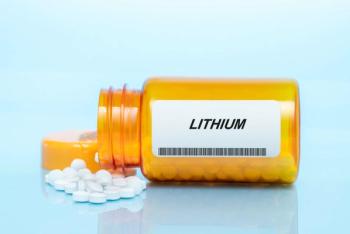
Adjunctive lithium sharply reduces relapse and suicidal ideation, and attempts in patients with bipolar disorder and major depressive disorder.
Advertisement
Advertisement
Trending on Psychiatric Times
1
FDA Approves Tauklarify (MK-6240) For Tau Pathology Detection in Alzheimer Disease
2
Home-Based tDCS for Depression: Expanding Access to Neuromodulation Treatment
3
HLP003, Deuterated Psilocin, as an Adjunctive Therapy for Major Depressive Disorder
4
Update on Varenicline for Smoking Cessation in Patients With Bipolar Disorder
5