



Trauma And Violence
Latest News
Advertisement
Latest Videos







Podcasts




CME Content





Advertisement
More News

How does MDMA-assisted therapy rewire fear circuits in PTSD and boost trust? Why has the FDA asked for more safety data? Learn more in this Special Report.

Inpatient psychiatry faces an epidemic of violence, highlighting systemic neglect and the urgent need for reform to protect health care workers.

The tragedy sheds light on the complexities of parricide and loss.

Ukrainian physicians enhance pain management and trauma care skills at Yale, fostering international collaboration to improve healthcare amid ongoing conflict.

Psychiatry explores extraordinary experiences like near-death experiences and out-of-body experiences, distinguishing them from mental illness to enhance patient care and understanding.

Simplistic explanations and convenient scapegoats belie the complexity of mass shootings.

More than 20 years later, what have we learned about PTSD, resiliency, and trauma?

New research reveals how past trauma influences brain responses to stress, highlighting the importance of neural connectivity in mental health and coping strategies.

Ketamine-assisted psychotherapy has transformative potential as a groundbreaking approach to mental health that enhances healing through psychedelic experiences.
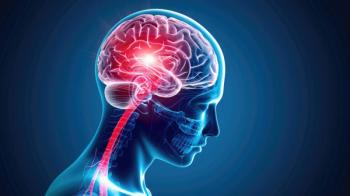
Resilience is dynamic and modifiable and is associated with positive rehabilitation outcomes following brain injury. Engaging patients in interventions to develop and strengthen resilience may improve rehabilitation outcomes by promoting psychosocial adjustment, mitigating emotional distress, and enhancing community participation.
As we celebrate the anniversary of COVID-19, let’s examine what meaning the pandemic brought to our lives.

Dance/movement therapy has proven to be effective in treating children with trauma, making dance something that can change the way a child develops psychologically.

Psychiatry has a lot to learn from the case of Gabby Petito.

Here are highlights from this week in Psychiatric Times, including updates on the BHV-7000 for bipolar disorder trial and a new study on physician suicide rates.

How do psychiatrists and mental health professionals respond when faced with disaster? One psychiatrist shares his story.
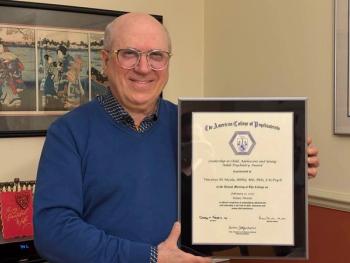
Vincenzo Di Nicola has won the Award for Leadership in Child, Adolescent, and Young Adult Psychiatry. Learn more about his thoughts on trauma, leadership, and issues in child and adolescent psychiatry.

Learn more about the 5 principles of intervention that serve as guidance for developing practices after disasters and mass violence.
Explore research on resilience following disasters in this slideshow.

Learn more about how to appropriately diagnose and categorize a spectrum of posttraumatic stress responses in children and adolescents.

Psychiatry may often encounter suicide and homicide, but what is its relationship with ecocide and genocide?

Here's how best to manage polypharmacy in patients with traumatic brain injury.
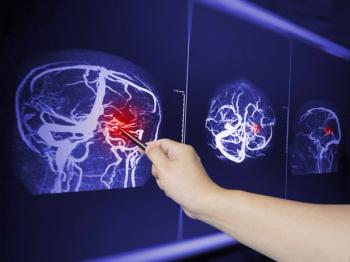
Because diagnosis and management of concussions remain challenging, reliable biomarkers can improve effective intervention.

How can the field of psychiatry support the peace process in the APA and beyond?

Extreme risk protection orders may be an effective suicide prevention tool.

In a new study, researchers found the subtype of childhood trauma impacts the effectiveness of antipsychotic medications.
Advertisement
Advertisement
Trending on Psychiatric Times
1
The New, Impending Adult ADHD Guidelines
2
What Makes Us Human? The Role of Psychiatry and the Future DSM
3
Reimbursement and Resources: Preparing Clinics for Psilocybin Therapy
4
Two New MDD Approvals: 5-HT1A Agonism and Adjunctive Atypical Antipsychotics
5