

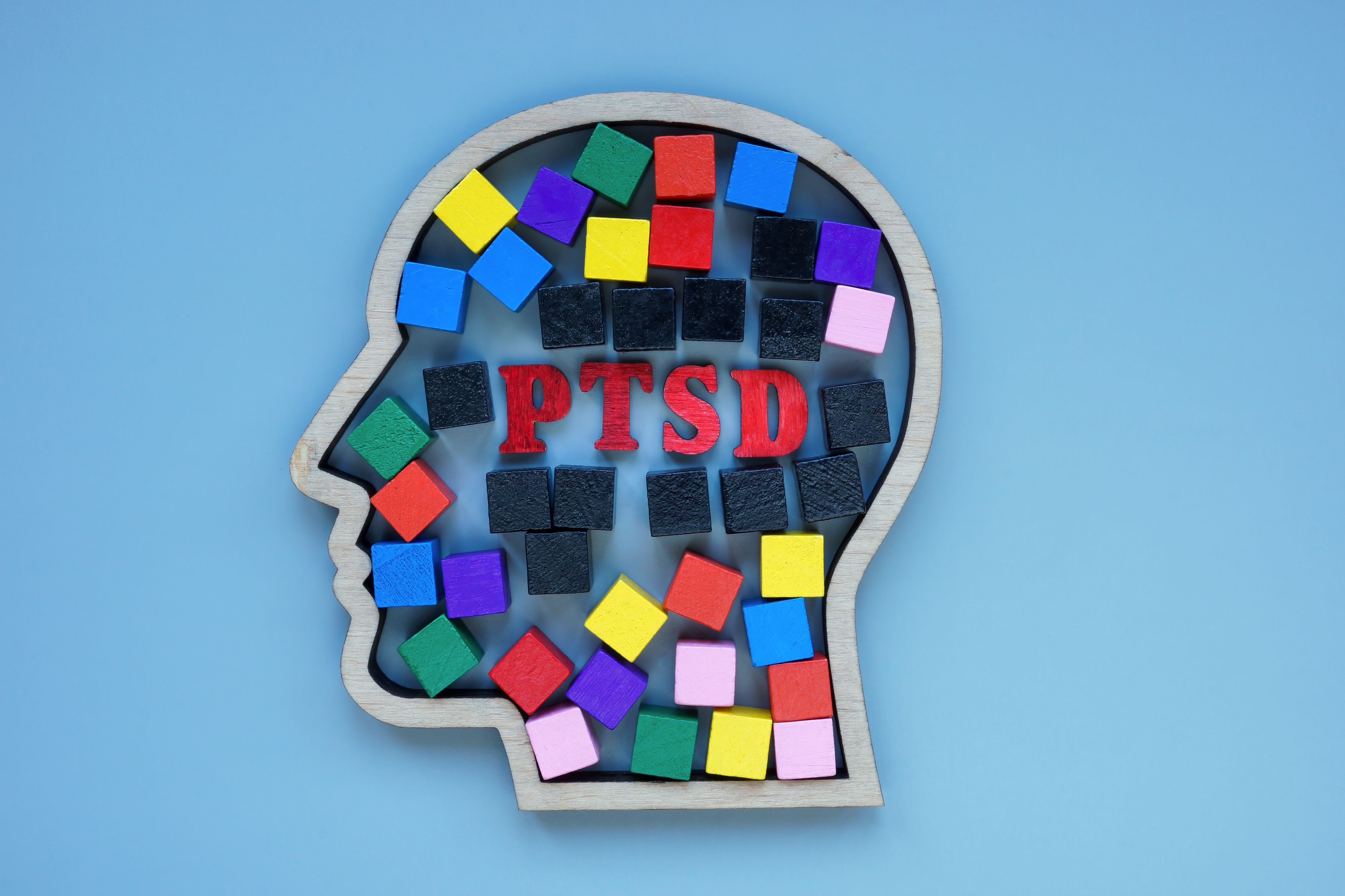




Traumatic Stress Disorders
Latest News
Advertisement
Latest Videos





Podcasts
CME Content



Advertisement
More News

Ketamine-assisted psychotherapy has transformative potential as a groundbreaking approach to mental health that enhances healing through psychedelic experiences.

Here are highlights from this week in Psychiatric Times, including a special report on psychiatric symptoms of celiac disease and the potential dangers of cannabis use in older patients.

Explore research on resilience following disasters in this slideshow.

Learn more about how to appropriately diagnose and categorize a spectrum of posttraumatic stress responses in children and adolescents.

Judith S. Beck, PhD, and Janeé M. Steele, PhD, engage in a conversation about how clinicians from all backgrounds can address issues of race in session and also empower Black patients with a sense of personal pride in their identities.
Learn more about best practices when treating comorbid trauma and psychosis.

Traumatic life events are common among individuals who experience psychosis. Here's how best to assess and treat.

Is the complex posttraumatic stress disorder diagnosis being used to avoid the diagnosis of borderline personality disorder?

Learn more about the latest research related to 9/11 trauma and other psychiatric comorbidities.

An understanding of evolving risk factors and pathophysiology is vital to optimal clinical management of anxiety disorders and PTSD.

For those who have experienced trauma and suffer a subsequent mental health disorder, ongoing research is identifying psychotherapies, medications, and lifestyle changes that can help.

Validating some patients could lead to both clinician and patient harm.

What is new in research on posttraumatic stress disorder?

With hate speech prevalent on college campuses and elsewhere, a psychiatrist ponders the psychiatric perspective and importance of therapeutic speech.

From sleep and neuroendocrine function following TBI to new phase 3 results from a clinical trial evaluating a promising new schizophrenia treatment, here are highlights from the week in Psychiatric Times.

Experts discuss findings from a new trial exploring affect-focused psychotherapies for LGBTQ+ patients with PTSD at the 2023 APA Annual Meeting.

Could police brutality be part of a larger legacy of American trauma transmission?
Poetic musings on posttraumatic growth...
Can we inherit our parents’ trauma? Research points to yes.

All these events that occurred over the weekend bear social psychiatric weight.

Sometimes poetry can help in processing tragedies and traumas.

What psychiatric illnesses are most prevalent among veterans? And how can clinicians help them overcome obstacles to care?

A working model for eliminating stigma and transforming mental healthcare within the military.

How should the sociopolitical nature of PTSD as a diagnosis inform our understanding of trauma?

New research find altered states of consciousness may allow veterans and other patients with PTSD to face unspeakable experiences and find peace.
Advertisement
Advertisement
Trending on Psychiatric Times
1
Podcast: Early Intervention & Psychopharmacology in Bipolar Disorder With Robert M. Post, MD
2
Suicide Risk Assessment in Patients Denying Suicidal Intent
3
New Positive Phase 2 Topline Data on Elunetirom for the Treatment of Bipolar Depression
4
“Engineered Addiction”: Redefining Addictive Disorders and the Psychiatric Impact of Social Media
5