

Conference Coverage
Latest Content

Nov 09, 2026 | News
Promoting Literacy to Improve Child Development: Reading Model Boosts Efforts

Cannabis Use Prevalent In Substance-Related Adolescent Emergency Care: Insights From Kevin Xu, MD
Nov 09, 2026

Death, Taxes, and Envy: Treating Creative Patients
Nov 09, 2026

NDA Submission Complete: COMP360 Psilocybin for Treatment-Resistant Depression
Nov 09, 2026

Podcast: Interventional Psychiatry and the Challenge of Difficult-to-Treat Depression
Nov 06, 2026




Advertisement
Shorts

1:05
Combining Psychedelics & Psychotherapy
8 hours ago
by
Joseph F. Goldberg, MD(+1 more)
1:21
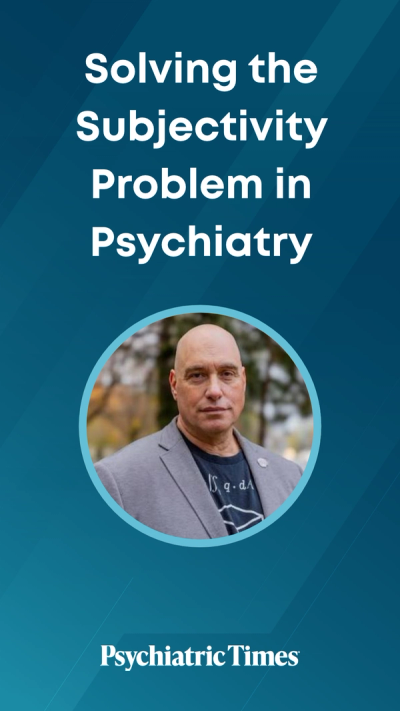
Solving the Subjectivity Problem in Psychiatry
3 days ago
by
Joseph Geraci, PhD, MS

1:24
Why Perimenopause Matters in Serious Mental Illness
4 days ago
by
Rebecca Barbee, PA-C, CAQ-Psych

1:11
Combining Psychedelics and Therapy for Trauma Treatment
5 days ago
by
Joseph F. Goldberg, MD(+1 more)
1:21
Why Is It Called "Interventional" Psychiatry?
7 days ago
by
Joseph F. Goldberg, MD(+1 more)

1:26
Morning Coffee & Updates: 2026 Clinical Pearls
7 days ago
by
Leah Kuntz

1:03
Cultural Awareness & Normalization of Trauma
9 days ago
by
Roger Rivera, PMHNP

1:05
The 'Apathetic' Hyperthyroidism You Might Be Missing
9 days ago
by
Claire Brandon, MD(+1 more)

1:03
Redefining Mental Health Care for Hispanic Communities
9 days ago
by
Roger Rivera, PMHNP

1:06
Checking Thyroid Levels During Anxiety or Panic
10 days ago
by
Claire Brandon, MD(+1 more)





Digital Edition




















Continuing Medical Education









All News
Advertisement
Advertisement

Why D2 blockade alone falls short in schizophrenia, and what neurotransmitter, genetic and neuroimaging research means for treatment-resistant patients.

Discover expanded psychiatry coverage with new podcasts, interactive digital issues, and event reporting—we are your always-on media hub delivering fresh insights year-round.

GLP-1 drugs enter psychiatry, curbing antipsychotic weight gain while raising new questions about addiction, mood, eating disorders, and culture.

Miss Golden Corner 2026 discusses the South Carolina campus naloxone law she helped start and her push to reduce addiction stigma in rural communities.

Explore the urgent legal, ethical, and clinical challenges in emergency psychiatry, share cases and tips, and contribute to Psychiatric Times’ November series.
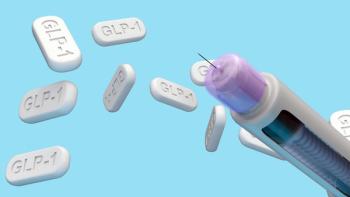
A Delphi panel recommends screening for eating disorders before GLP-1 receptor agonist initiation.

Alkermes launches a phase 2 trial of oral orexin-2 agonist ALKS 7290 to boost antidepressant response in major depressive disorder, assessing safety and symptom relief.

BCG vaccination curbs tau tangles in mice by boosting microglial cleanup, fueling hopes for human trials to reduce dementia risk.

GLP-1 weight-loss drugs may worsen eating disorders or mask symptoms; experts urge careful screening, specialist referral, and monitoring before, during, and after use.

Sabirnetug phase 2 Alzheimer trial misses cognitive endpoint despite lowering amyloid, prompting Acumen to halt development and open-label extension plans.
Advertisement

Check out our pipeline updates from October!

Psychedelic trials often exclude real-world comorbidities; clinicians must weigh blinding limits, dosing durability, support needs, safety risks, and uneven system readiness.

HHS updates its national dementia plan, prioritizing risk reduction, early detection, biomarkers, and faster diagnostics and treatments through new FDA, CMS, and ARPA-H initiatives.

Neflamapimod misses its main DLB endpoint, but biomarker and subgroup signals suggest IL-1β pathway impact and may justify a phase 3 trial.
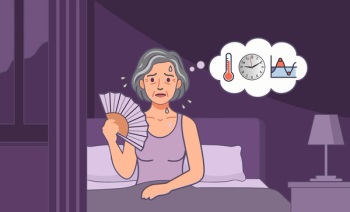
A systematic review and meta-analysis compares pharmacological agents with nonpharmacologic approaches to identify the most effective interventions for insomnia in peri- and postmenopausal women.
Advertisement
Advertisement
Trending on Psychiatric Times
1
NDA Submission Complete: COMP360 Psilocybin for Treatment-Resistant Depression
2
Schizophrenia: A Telltale of the Brain’s Complexity
3
Talking With Titans: Sheldon Preskorn, MD, on the Evolution of Psychopharmacology
4
Shared Decision-Making in MDD Treatment Across the Lifespan
5