

Conference Coverage
Latest Content

Oct 30, 2026 | News
GLP-1 Receptor Agonists May Reinforce Restriction in Patients With Eating Disorders

October 2026 in Review: Updates on the Psychiatric Treatment Pipeline, FDA News
Oct 30, 2026

Psychedelic Trials Reveal Gaps Between Controlled Efficacy and Real-World Readiness
Oct 30, 2026

HHS Updates National Alzheimer Disease Plan to Prioritize Prevention
Oct 29, 2026

Neflamapimod for Dementia With Lewy Bodies Misses End Point, Subgroup Signal Emerges
Oct 29, 2026




Advertisement
Shorts

1:06
Checking Thyroid Levels During Anxiety or Panic
2 hours ago
by
Claire Brandon, MD(+1 more)

1:19
Why Rapid Depression Treatment Matters
4 hours ago
by
Brandon Bentzley, MD, PhD

1:14
How Patient-Led Innovation is Changing Bipolar Disorder Care
a day ago
by
Jessica M. Gannon, MD(+1 more)

1:15
Precision Psychiatry: Beyond Diagnoses
a day ago
by
Joseph F. Goldberg, MD(+1 more)
1:13
Why Psychedelic Clinical Trials Are Different
2 days ago
by
Gustavo Alva, MD, DFAPA

1:19
Thyroid Issues & Thorough Symptom Checks
2 days ago
by
Claire Brandon, MD(+1 more)

1:03
Can Clozapine Clinics Improve Access?
2 days ago
by
John J. Miller, MD(+1 more)

1:10
The 'Ocean' Metaphor: Engaging With Patients' Background
3 days ago
by
Frank A. Clark, MD(+1 more)
1:23
Treating Schizophrenia Beyond Dopamine
3 days ago
by
Christoph U. Correll, MD

1:02
The Psychiatrist-Therapist Connection
4 days ago
by
Frank A. Clark, MD(+1 more)





Digital Edition



























Continuing Medical Education









All News
Advertisement
Advertisement
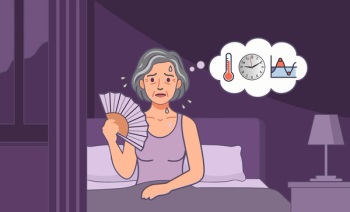
A systematic review and meta-analysis compares pharmacological agents with nonpharmacologic approaches to identify the most effective interventions for insomnia in peri- and postmenopausal women.

National survey shows most US adults don’t know AUD medications exist, and safety concerns plus racial disparities shape hesitation toward treatment.

GLP-1 drugs may quiet cravings by reshaping brain reward and satiety signals, reducing food-seeking drive and binge-like eating, while long-term effects remain unclear.

Breakthrough Alzheimer updates: UK adaptive platform trial tests repurposed drugs, new phase 2/3 therapies advance, and sleep disruption emerges as a treatable risk factor.

Behind the scenes at a psychiatry conference, Gus Alva, MD, DFAPA, and Erin Crown share practical insights on burnout, industry, and emerging treatments—turning continuing education into better patient outcomes.

Phase 2 trial shows daridorexant boosts pediatric insomnia sleep time up to 50 minutes, including ADHD/ASD patients, with strong safety and phase 3 plans.

New automated connectomics maps synapses across circuits, revealing how inhibitory neuron subtypes shape decision-making and may explain circuit dysfunction in psychiatric disorders.

FDA aligns with Cognition on a phase 3 zervimesine trial for Lewy body dementia, testing 100 mg daily for 9 months to target hallucinations.

Sleep disruption fuels Alzheimer risk via apnea, fragmentation, and inflammation; improving consolidated sleep, medication review, and sleep-specialist teamwork may protect cognition.

UK AD-SMART platform trial speeds Alzheimer disease treatment discovery by testing multiple repurposed drugs at once across NHS sites, aiming to protect memory and quality of life.
Advertisement

When an antidepressant seems to stop working, the patient’s deterioration is real. The explanation may be less certain.

The evidence points toward an overall protective effect in adult cohorts and no increase in completed suicide in younger populations.

A psychiatry resident and APA Diversity Leadership Fellow explains how social history, open talk about stigma, and bilingual videos can widen access to care.

Phase 2 data show RAP-219 eases acute bipolar mania with significant YMRS gains and encouraging tolerability, setting the stage for FDA talks and phase 3 plans.

Explore evolving ethical challenges of long-acting injectable antipsychotics, weighing relapse prevention against coercion, stigma, incentives, and racial equity in clinical practice.
Advertisement
Advertisement
Trending on Psychiatric Times
1
Burnout, Gratitude, and the Value of Staying Current: On the Mind of Gus Alva, MD, DFAPA
2
Food Noise and GLP-1 Drugs: What Research Reveals About Motivation and Appetitive Drive
3
Daridorexant, Orexin Receptor Agonist, Shows Positive Results in Pediatric Insomnia
4
Dementia Pipeline Update: Phase 2 and 3 Developments in Alzheimer Disease and Lewy Body Dementia
5