




Electroconvulsive Therapy
Latest News
Advertisement
Latest Videos


Podcasts

CME Content





Advertisement
More News
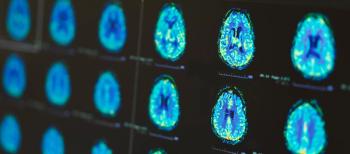
Combination therapy of TMS and ketamine could enhance brain perfusion and neuroplasticity.

Ketamine or ECT? A new study reveals which works best for severe depression—depending on the patient and setting.

How does affluence impact mental health outcomes?

Choosing between these 2 interventions for patients with treatment-resistant depression may rest more on differences in access than in baseline characteristics.
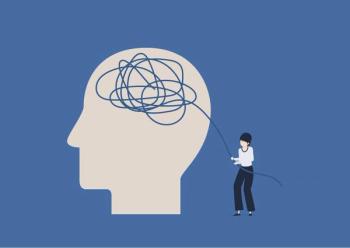
The presentation of catatonia can vary, making its management challenging, particularly in resource-limited settings in South Africa.
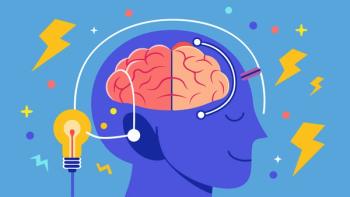
Post-hoc analysis of the ELEKT-D trial of ketamine and ECT for patients with treatment-resistant depression distinguishes between responders to the respective interventions.
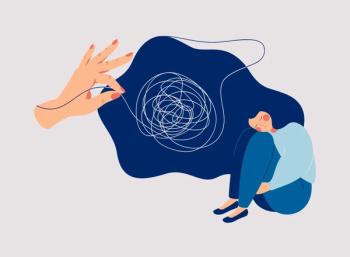
Recent research finds that after ECT, pro-inflammatory cytokines decreased significantly, and anti-inflammatory cytokines increased in teenagers with depression.

“Older medications” like ECT, lithium, second generation antipsychotics such as the olanzapine/fluoxetine combination, have proven efficacy.
Psychiatry is such a young field attempting to improve functioning and quality of life for so many diverse and complex brain disorders that it should be no surprise that our treatment outcomes spread across the spectrum from much improved to progressive decline.
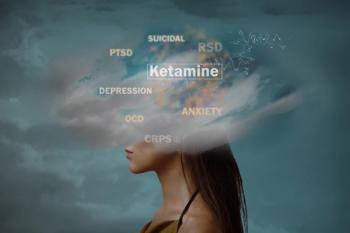
While ketamine is a not approved for the treatment of depression or chronic pain, clinicians have shown increased interest in using it for these conditions. An FDA workshop is exploring its potential.

Here are highlights from the week in Psychiatric Times.

What is the efficacy of ECT for the treatment of dementia?

In this CME article, review the principles and applications of both invasive and noninvasive neuromodulation techniques for the treatment of mood disorders.
Psychiatry: a field of medicine that is constantly evolving.

A psychiatrist and their patient reflect on treatment.

Catatonia: learn more about how to best diagnose early.
In this CME, review novel, currently available, and promising pharmacological treatment options for treatment-resistant depression.

A Psychiatric Times point/counterpoint feature on electroconvulsive therapy elicited strong responses.

Research data shows that ECT is often more effective than alternative treatments, and safe too.
ECT has been in use for decades, but does that mean it is safe or effective?

Against the backdrop of European fascism, an Italian physician pioneered a new treatment.

What treatments could handle both psychiatric emergencies and long-standings mental health conditions—in a hurry?

Is ECT a viable or a dangerous treatment for psychiatric disorders? Is there a middle road? Share your thoughts in our poll.
ECT has undoubtedly been foundational in the field of interventional psychiatry, yet controversy remains an underlying theme.
Advertisement
Advertisement
Trending on Psychiatric Times
1
Olanzapine LAI (Weltruza) Receives FDA Approval for Schizophrenia
2
The New, Impending Adult ADHD Guidelines
3
Two New MDD Approvals: 5-HT1A Agonism and Adjunctive Atypical Antipsychotics
4
Moving Away From Treatment-Resistant Depression and Toward Difficult-to-Treat Depression
5