





Integrative Psychiatry
Latest News
Advertisement
Latest Videos





Podcasts




CME Content







Advertisement
More News
How can integrative medicine best be utilized to tend to patient mental health?
Reviewing a year of CMEs in Psychiatric Times®
Catch up on the latest CMEs in Psychiatric Times.

Revisiting the CME articles featured in Psychiatric Times in 2022.

The experts weighed in on a wide variety of psychiatric issues for the October 2022 issue of Psychiatric Times.

From complementary and alternative approaches in the COVID-19 era to mental health’s most toxic myth, here are highlights from the week in Psychiatric Times.

From herbal medicine for psychiatrists to the psychiatric implications of the Parkland School massing shooting, here are highlights from the week in Psychiatric Times.

"Among adults living in the United States, 38% to 40% use complementary and alternative medicine therapies, yet only 42% have told their primary physician that they do so."
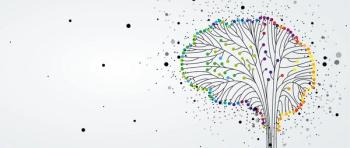
"Rooted in ancient meditative traditions, mind-body practices can offer simple and scalable tools of self-regulation that incorporate controlled paced breathing, which is therapeutic in alleviating symptoms of stress, anxiety, depression, and chronic pain disorders."

Herbal medicines have been used to treat mental health disorders since ancient times, and continue to be useful today.

This Special Report contains concise reviews of selected CAM modalities and what these modalities can offer patients with a variety of mental health issues.

How can a refocus on relationships, connections, and dialogue improve the overall patient experience?

How can you use the 4 perspectives and 4 pathways to flourishing for practical and personalized patient care?

How can mindfulness-based intervention be used as an effective treatment option for psychiatric patients?

A daily serving of almonds improved depressive symptoms in diabetes, but will it work in non-diabetic depression?

The psychiatrist's armamentarium to treat depression holds promise with a growing arsenal of integrative and pharmacologic options.

A myriad of neuropsychiatric symptoms result from folate deficiency, including cognitive impairment, insomnia, psychosis, depression, peripheral sensory deficits, and weakness. Treatment and prevention strategies are discussed.
Although supported by basic science, it’s still a sea change to think that diet can treat depression. Some research puts that idea to the test.

Psychiatrists are uniquely suited to help patients with and without heart disease feel more positive and hopeful. This, in turn, can have substantial effects not just on mental health, but on health behaviors and physical health outcomes as well.
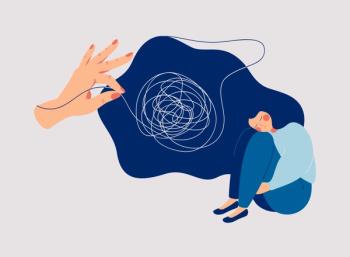
Three new trials suggest a novel antidepressant hides inside the blue-skinned fruit.

As physicians first, psychiatrists must consider the big picture, without reflexive and thoughtless prescriptions for psychotropics—even if many, including medical professionals, assume that is all we do.

Women should be provided with multiple options for treatment if they decide to engage in mental health care during this critical period.

For the millions of patients whose pain is being treated with opioids, mind-body interventions are proving to be important considerations to ease suffering.
The pandemic has brought about uneasy feelings that can exacerbate mental illness and cause further mental health issues. In its current state, our mental health system is not prepared to deal with what may become a global mental health pandemic, but there are ways to address it.

Dr Jud Brewer discusses the benevolent effects of altruism during the coronavirus pandemic in this brief podcast.
Advertisement
Advertisement
Trending on Psychiatric Times
1
Postpartum Psychosis on Trial: What the Lindsay Clancy Case Can Teach Us
2
Centanafadine in ADHD: Clinical Significance of the First Triple Reuptake Inhibitor for ADHD
3
Bringing Wearable Data Into Psychiatric Care: Amae Health Partners With Google Health Enterprise to Improve Outcomes
4
How Wearable Tech Can Translate Into Practical Precision Medicine in Psychiatry
5