

Explore how clinicians subtype depression using severity, stressors, suicidality, sleep, and anxiety patterns to sharpen diagnosis, guide treatment, and build trust.
Explore how clinicians subtype depression using severity, stressors, suicidality, sleep, and anxiety patterns to sharpen diagnosis, guide treatment, and build trust.

Learn more about the randomized, double-blind phase 2b study of naturally derived psilocybin in MDD, and more.

In 2 pivotal phase 3 studies, all 5 readers hit sensitivity and specificity targets for florquinitau F 18 tau PET, including in patients with early symptomatic Alzheimer disease.

New phase 3 data for a PDE-5 inhibitor in Alzheimer disease.
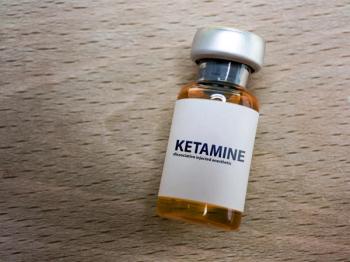
Clinicians weigh ketamine vs FDA-approved esketamine for TRD, with evolving guidance on dosing, safety monitoring, and long-term maintenance decisions.

Review news from the last week in pharmacology, legislation, and research.

Hormone shifts during menstruation, pregnancy, and menopause can trigger depression in susceptible women, highlighting connected brain pathways and guiding targeted, stabilizing treatments.

HLP003 achieved statistically significant and clinically meaningful results in the primary and key secondary endpoints starting as early as day 2.

The FDA has approved dexmedetomidine (Igalmi) sublingual film for at-home use.

Many traumatic brain injuries result in significant communication impairment across a spectrum that can range from limited speaking to apparent disorders of consciousness such as comas.

Review the timeline for Igalmi in at-home treatment of agitation in bipolar disorder and schizophrenia.

Meta-analysis finds bright light therapy boosts remission and response in nonseasonal depression, offering a low-cost add-on to standard care.

Minerva Neurosciences webinar reported that roluperidone monotherapy improved primary negative symptoms and functioning in stable patients with schizophrenia who had a low relapse risk.

Teacher-recorded classroom engagement scores beat GPA at identifying middle schoolers who reported alcohol or cannabis use by eighth grade.

The FDA seems to have shelved the fast-track drug review initiative launched during the Trump administration.

Oveporexton (Orzeyful) is now available in the US by prescription for the treatment of narcolepsy type 1.

Explore the types of scams encountered in psychiatric practice in order to help identify those at risk.

Mixed-feature depression can signal bipolar risk; spot red flags and consider lurasidone or lumateperone before standard antidepressants.

Explore how OCD and schizophrenia overlap, complicating diagnosis and care, and learn spectrum-based strategies and treatment pitfalls for managing schizo-obsessive symptoms.

How estrogen dips during menstruation, pregnancy, postpartum, and menopause can trigger schizophrenia relapse, and what it means for antipsychotic dosing.

Psychiatric Times honors those who served with reflections from a World War I diary and new studies on veteran PTSD and suicide risk.

Cingulate shares plans to resubmit its ADHD candidate CTx-1301 to the FDA, following a CRL tied to CMC information requests

The American Society of Addiction Medicine has released the first clinical guide and national resource for managing the intoxication and withdrawal of medetomidine.

Digital memory tests flag subtle preclinical Alzheimer changes, especially with neocortical tau; scalable tools may boost future trial screening.

How ED physicians and psychiatrists team up to cut mental health boarding, reduce unnecessary tests, and deliver faster, safer ED crisis care.

In the second positive phase 3 trial of lumateperone (Caplyta) for bipolar mania, participants saw improved manic symptoms vs placebo as early as day 3.

Lipocine has dosed the first participant in BLOOM, their phase 3 study evaluating LPCN 1154 (oral brexanolone) for postpartum depression.

Reach Out and Read serves 4.8 million children, but 23% of parents at 3 centers reported clinician modeling, tied to the greatest home literacy gains.

New data shows cannabis dominates teens’ substance-related ER visits, often with alcohol or stimulants, urging better screening and intervention for psychosis, vomiting.

How can you address envy in your creative patients?