





Psychotherapy
Latest News
Advertisement
Latest Videos







Shorts
Podcasts


CME Content




Advertisement
More News

Discover how psychodynamic therapy and modern antipsychotics can reduce psychotic symptoms, restore meaning, and improve quality of life for patients with schizophrenia.

How does MDMA-assisted therapy rewire fear circuits in PTSD and boost trust? Why has the FDA asked for more safety data? Learn more in this Special Report.

Brief interpersonal therapy in pregnancy sharply lowers depression and postpartum relapse for a year—offering clinicians a fast, safe option.

Explore the multifaceted role of time in psychotherapy, from patient dynamics to treatment duration, and its impact on healing and growth.


American psychiatry struggles with understanding psychopathology, emphasizing the need to return to its roots for accurate diagnosis and effective treatment.

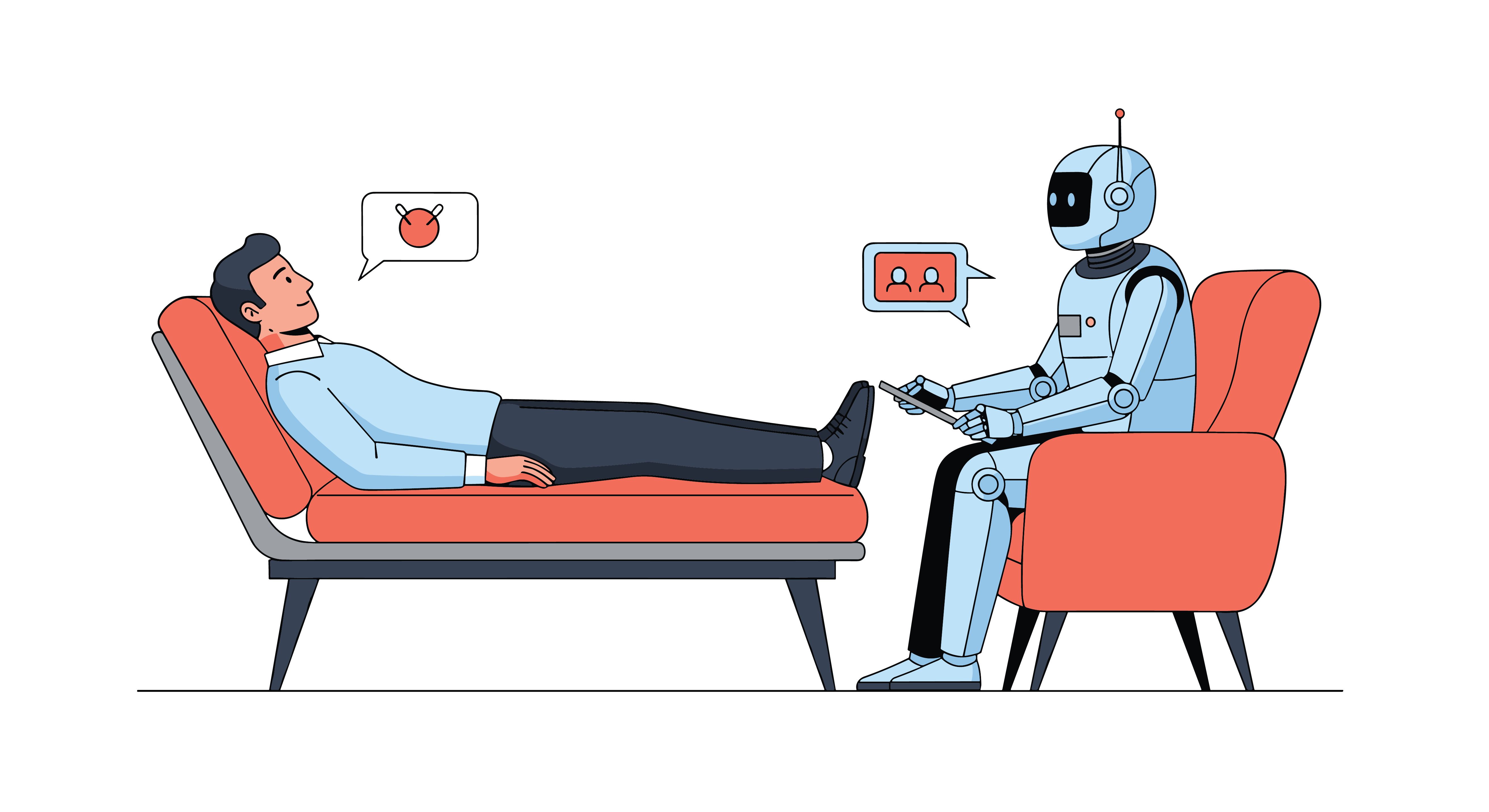
AI chatbots change mental health care, offering 24/7 support while posing unique challenges for human therapists in an evolving landscape.

American psychiatry reexamines its roots in psychopathology, challenging DSM's validity and advocating for a return to understanding mental illness.

Explore the vital role of the therapeutic alliance in psychiatry.

Explore the complexities of insomnia in older adults, its impact on health, and effective management strategies for improved sleep quality.

Discover the most effective components of cognitive behavioral therapy for chronic insomnia, enhancing treatment outcomes and patient care strategies.

A new study reveals the ReCODE program significantly reduces depression in patients with cognitive impairment, enhancing both mood and cognitive health.

The Ububele Educational and Psychotherapy Trust enhances mental health access in South Africa, focusing on early childhood support and community-based interventions to break cycles of emotional poverty.
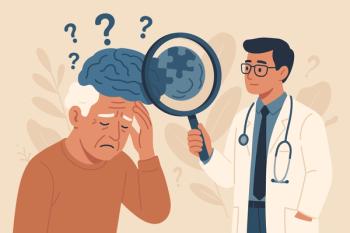
Explore innovative treatments in geriatric psychiatry, focusing on neuroplastic symptoms and emotional awareness therapy for older adults' chronic pain.

Effective psychiatric training empowers residents to take ownership of patient care, fostering confidence and critical thinking through real-world decision-making.

Combining cognitive behavioral therapy with medication enhances ADHD treatment in adults, showing significant benefits within 3 months.

New research highlights the effectiveness of early psychosis intervention programs, emphasizing low caseloads and clozapine access to reduce relapse rates.

Cognitive behavioral therapy for insomnia effectively treats chronic insomnia, promoting long-term sleep improvement through targeted behavioral strategies.

Psychiatrists confront the challenge of treatment-resistant depression, balancing honesty and compassion while redefining realistic recovery goals for patients.

Psychodynamically-informed pharmacotherapy is much more than “prescribing.”

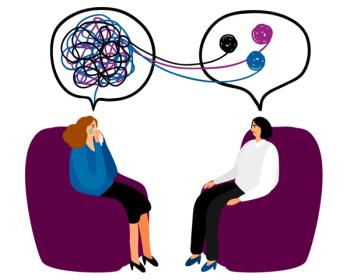
Psychotherapy faces skepticism in psychiatry, yet it remains vital for understanding patients' narratives and enhancing therapeutic relationships.

Ketamine-assisted psychotherapy has transformative potential as a groundbreaking approach to mental health that enhances healing through psychedelic experiences.

Effective psychodynamic strategies can help to engage difficult patients in psychotherapy, enhancing treatment outcomes and fostering meaningful therapeutic alliances.

Discover 6 essential steps for psychiatrists to enhance the effectiveness of CBT and DBT in treating young patients.
Advertisement
Advertisement
Trending on Psychiatric Times
1
Repurposing Dopamine Agonist Pramipexole for Disabling Anhedonia
2
Brain Trust: Anita H. Clayton, MD, on Diagnosing and Treating Sexual Dysfunction
3
Presenting Our September 2026 Theme: Depressive Disorders
4
Differentiating Agitation from Depression, Anxiety, and Psychosis
5