



Anxiety & Stress Disorders
Latest News

Advertisement
Latest Videos









Shorts
0:47
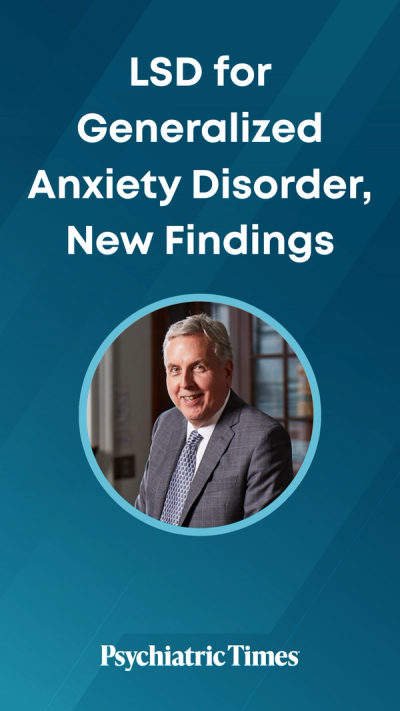
LSD For Generalized Anxiety Disorder, New Findings
4 months ago
by
Maurizio Fava, MD
Podcasts



CME Content

Advertisement
More News
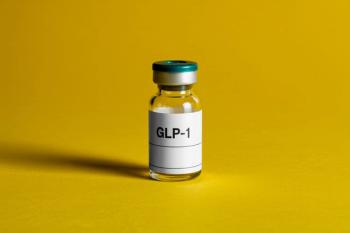
Semaglutide shows promise in enhancing cognitive function for individuals with psychiatric disorders, particularly improving memory and overall cognitive outcomes.
Synendos Therapeutics reveals promising phase 1 results for SYT-510, a novel ECS modulator targeting anxiety and CNS disorders with potential for improved patient outcomes.

New study shows lumateperone (Caplyta) significantly improves symptoms in major depressive disorder with anxious distress, offering hope for treatment-resistant patients.

New research reveals ART12.11, a cannabidiol:tetramethylpyrazine cocrystal, significantly enhances mood regulation, outperforming traditional cannabidiol in treating mood and anxiety disorders.

Neuphoria Therapeutics announces successful enrollment in a pivotal trial for BNC-210, a promising treatment for social anxiety disorder.

Incannex Healthcare shared positive data from its phase 2 clinical trial of PSX-001, a psilocybin-assisted psychotherapy treatment for generalized anxiety disorder.

Youth with neurodevelopmental disorders face significant suicide risks.

Exploring the impact of fermented foods like sauerkraut on social anxiety, revealing surprising insights and practical solutions for mental health.

Discover the transformative power of pausing and resetting through meditation and breathing techniques for enhanced well-being and resilience.

Seaport Therapeutics initiates a pivotal study for GlyphAllo, a potential breakthrough treatment for major depressive disorder, with or without anxious stress.

Marc Potenza, PhD, MD, explores the impact of online social activity on ADHD symptoms in adolescents, revealing significant gender differences in brain development and attention.

Augmented reality can transform psychiatric treatment, enhancing exposure therapy for trauma and anxiety by simulating real-world environments and interactions.

In this CME article, learn more about the essential role of MAOIs in treating resistant depression and anxiety.

Uncertainty fuels anxiety, yet knowing outcomes—even grim ones—can bring relief.

Effective diagnosis and treatment of comorbid disorders in patients with bipolar enhance care and lead to more optimal mental health outcomes.

What is the hidden mental health struggles of affluent youth? In this Tales From the Clinic article, we reveal how wealth can contribute to anxiety, depression, and substance misuse.
Check out the pipeline updates from April!

In this CME article, explore the complexities of Parkinson disease, focusing on neuropsychiatric symptoms, their prevalence, and effective treatment strategies for improved patient care.

Cybin partners with Osmind to enhance mental health treatment access, focusing on innovative therapies for depression and anxiety disorders.

The first patient has been dosed in MindMed’s phase 3 Emerge study evaluating the efficacy of MM120 ODT.

A pioneer in cognitive behavior therapy shares his thoughts on a 50-year-long career.

New research reveals that discontinuing long-term benzodiazepine therapy may increase risks of mortality and other adverse outcomes, challenging common assumptions.

Are TV shows educating the public about psychiatric medications?

What is the difference between worry and anxiety disorders?

Epidemiological data show that rates of anxiety, depression, self-injurious behaviors, and suicidality increased for Gen Z in significantly higher numbers than previous generations.
Advertisement
Advertisement
Trending on Psychiatric Times
1
Depression and Long COVID Outcomes in Women: New Data Analysis
2
Patterns of Propensity: A Review of Heinrichs’ How Psychiatrists Make Decisions
3
Investigational Psilocybin for PTSD and Ongoing Trials
4
Extension of Expanded Access Program for Zervimesine to Treat Dementia With Lewy Bodies
5