



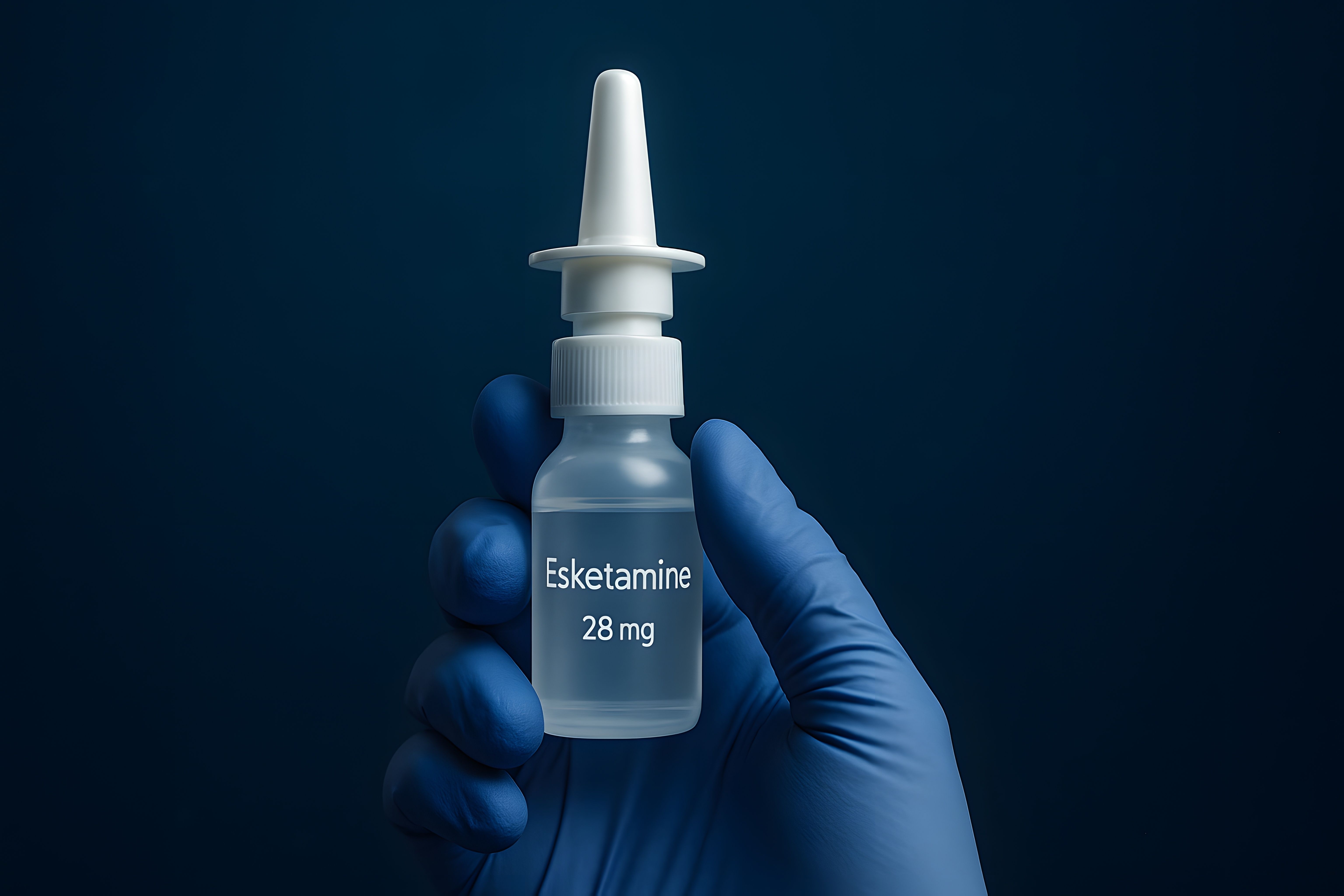

Depression
Latest News

Advertisement
Video Series


Latest Videos

Shorts
1:20
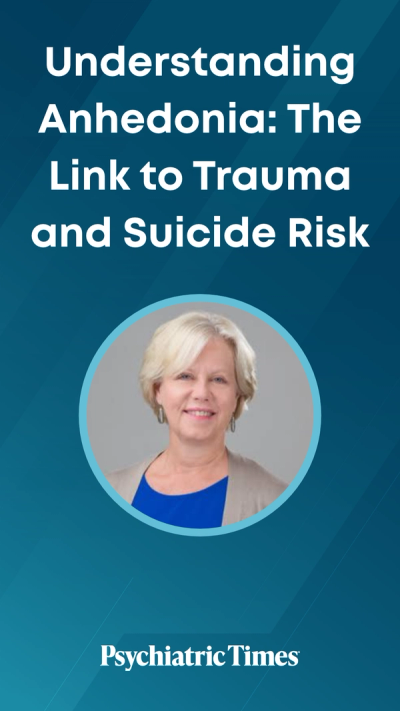
Understanding Anhedonia: The Link to Trauma and Suicide Risk
6 days ago
by
Anita H. Clayton, MD
1:26
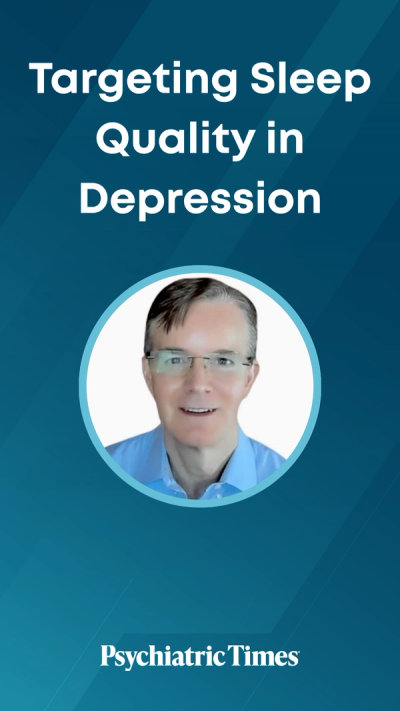
Targeting Sleep Quality in Depression
2 months ago
by
Gregory Sullivan, MD
2:07
TMS for Postpartum Depression
5 months ago
by
Thalia Robakis, MD, PhD
3:18
Correlation of Depression and Inflammatory Skin Disease
6 months ago
by
Emma Guttman, MD, PhD(+1 more)

1:32
Developments in Psychedelics for Depression
7 months ago
by
Hans Eriksson, MD, PhD
1:08
Forging a New Path for Treatment-Resistant Depression
7 months ago
by
Guy Goodwin, MD
1:27
Depression and Ketamine: Increased Neuroplasticity
7 months ago
by
Ben Yudkoff, MD
1:47
Interpersonal Therapy Effective for Perinatal Depression
7 months ago
by
Elysia Davis, PhD(+1 more)
1:20
The Power of Collaborative Research
8 months ago
by
Elysia Davis, PhD(+1 more)
1:11
78% Higher Long COVID Risk: The Mental Health Connection
8 months ago
by
Wael Al-Delaimy, MD, PhD
Podcasts





CME Content






Advertisement
More News
Post hoc SUSTAIN-1 data reveal who relapses after stopping intranasal esketamine in TRD—key risk factors guide personalized relapse-prevention plans.

Massive Lancet meta-analysis suggests most use of antidepressants while pregnant does not raise autism or ADHD risk after confounders, easing treatment decisions.

Anti-inflammatory drugs ease anhedonia and depressive symptoms in high-CRP depression, spotlighting CRP-guided treatment and lifestyle strategies while calling for stronger RCTs.
A multicenter study tests SAINT TMS for postpartum depression.
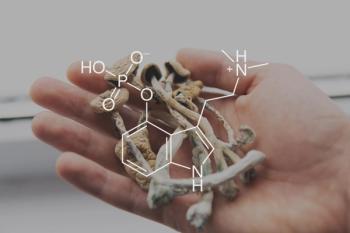
The triple-blinded EPISODE trial with active placebo and 4 dosing regimens yielded mixed results, reflecting the challenge of discerning psilocybin effect and distinguishing between enlightenment and expectation.

New US patent backs Denovo’s ANK3 biomarker guiding DB104 for treatment‑resistant depression, highlighting promising efficacy in selected patients.

Lifestyle medicine pillars help reshape depression and anxiety treatment in psychiatry.

FDA accelerates psychedelic drug development to advance agents for TRD, PTSD, and AUD.

In this CME article, learn how depression hides in organ failure, transplants, neurologic disease, and hormonal shifts—plus screening tips and safer treatment choices.

Psychiatry experts explain why off-label psych meds and polypharmacy can be essential.

Deep intracranial frequency stimulation 77.5 Hz high-gamma approach was associated with statistically significant reductions in self-injury behaviors and depressive symptoms in female adolescents with nonsuicidal self-injury.

BPL-003 phase 2a part 2 results show reductions in depression symptoms.

A relationship between inflammatory skin disease and depression revealed in new research.

An interview with Felice Jacka, OAM, PhD, on the rapidly developing field of nutritional psychiatry.

Intranasal BPL-003 shows rapid, sustained depression relief in treatment-resistant patients.

Compass Pathways reports COMP360 psilocybin shows fast, durable relief in treatment‑resistant depression. Guy Goodwin, MD, shares his insights.

Data show fast-acting psychedelic therapy for depression with lasting gains—plus the safety questions shaping its future.
See why ketamine boosts outcomes for treatment‑resistant depression.
New serotonergic therapies show durable relief in Phase II anxiety trials, as clinicians and patients partner to tackle unmet depression needs.

FDA feedback for CYC-126: anesthetic therapy with live EEG guidance aims to deliver precise relief for treatment-resistant depression.

IV DMT psychedelic SPL026 reduces major depression in phase 2a.

Phase 3 trial shows COMP360 psilocybin rapidly reduces treatment-resistant depression symptoms with durable effects and good safety, as Compass moves toward FDA review.

Brief interpersonal therapy in pregnancy sharply lowers depression and postpartum relapse for a year—offering clinicians a fast, safe option.

Learn how bupropion can trigger dose-related tinnitus and when lowering or stopping the antidepressant brings relief, with real-world clinical guidance.

Antidepressant withdrawal often mimics relapse; learn why hyperbolic tapering, informed consent, and slow cut-and-hold deprescribing reduce harm.
Advertisement
Advertisement
Trending on Psychiatric Times
1
Olanzapine LAI (Weltruza) Receives FDA Approval for Schizophrenia
2
FDA Grants Clearance to Motivista, the First Authorized Treatment for Negative Symptoms of Schizophrenia
3
Moving Away From Treatment-Resistant Depression and Toward Difficult-to-Treat Depression
4
Blood-Based Biomarkers for Alzheimer Disease: Accuracy, Limits, and Confounders
5