

HHS updates its national dementia plan, prioritizing risk reduction, early detection, biomarkers, and faster diagnostics and treatments through new FDA, CMS, and ARPA-H initiatives.
HHS updates its national dementia plan, prioritizing risk reduction, early detection, biomarkers, and faster diagnostics and treatments through new FDA, CMS, and ARPA-H initiatives.

Neflamapimod misses its main DLB endpoint, but biomarker and subgroup signals suggest IL-1β pathway impact and may justify a phase 3 trial.
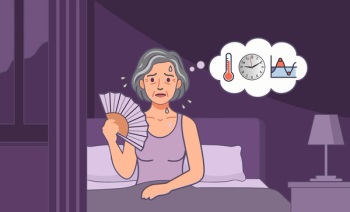
A systematic review and meta-analysis compares pharmacological agents with nonpharmacologic approaches to identify the most effective interventions for insomnia in peri- and postmenopausal women.

National survey shows most US adults don’t know AUD medications exist, and safety concerns plus racial disparities shape hesitation toward treatment.

GLP-1 drugs may quiet cravings by reshaping brain reward and satiety signals, reducing food-seeking drive and binge-like eating, while long-term effects remain unclear.

Breakthrough Alzheimer updates: UK adaptive platform trial tests repurposed drugs, new phase 2/3 therapies advance, and sleep disruption emerges as a treatable risk factor.

Phase 2 trial shows daridorexant boosts pediatric insomnia sleep time up to 50 minutes, including ADHD/ASD patients, with strong safety and phase 3 plans.

New automated connectomics maps synapses across circuits, revealing how inhibitory neuron subtypes shape decision-making and may explain circuit dysfunction in psychiatric disorders.

FDA aligns with Cognition on a phase 3 zervimesine trial for Lewy body dementia, testing 100 mg daily for 9 months to target hallucinations.

Sleep disruption fuels Alzheimer risk via apnea, fragmentation, and inflammation; improving consolidated sleep, medication review, and sleep-specialist teamwork may protect cognition.

UK AD-SMART platform trial speeds Alzheimer disease treatment discovery by testing multiple repurposed drugs at once across NHS sites, aiming to protect memory and quality of life.

When an antidepressant seems to stop working, the patient’s deterioration is real. The explanation may be less certain.

The evidence points toward an overall protective effect in adult cohorts and no increase in completed suicide in younger populations.

Phase 2 data show RAP-219 eases acute bipolar mania with significant YMRS gains and encouraging tolerability, setting the stage for FDA talks and phase 3 plans.

Explore evolving ethical challenges of long-acting injectable antipsychotics, weighing relapse prevention against coercion, stigma, incentives, and racial equity in clinical practice.

Neurocrine launches a phase 2 trial of once-daily NBI-'567, testing a selective muscarinic agonist to boost cognition in mild to moderate Alzheimer disease.

Review finds ADHD drugs may ease perimenopause brain fog and improve daily focus, but objective cognition gains remain unclear; larger safety and efficacy studies needed.

Phase 2 trial finds bezisterim shows safety and symptom gains in long COVID, with strongest benefits for severe fatigue, PEM, and cognitive issues.

Adjustment disorder often goes undiagnosed after major life stressors, especially in cancer care; learn updated criteria, risks, and emerging therapies like psilocybin.

This study compared the efficacy and tolerability of the 5 second-generation antipsychotics that are currently FDA approved as adjunctive treatments for adults with MDD.

Ketamine or esketamine during C-section anesthesia lowers early postpartum depression symptom scores in trials, hinting at a new prevention approach under study.

Real-world data show TRD costs spike during resistant episodes; Compass’ psilocybin COMP360 delivers durable symptom relief through 26 weeks, potentially easing resource strain.

AI might streamline psychiatric intake with avatar interviews and EHR-linked decision support, adding guardrails against hallucinations and enabling measurement-driven precision predictions.

Learn how clinicians tailor antidepressants by diagnosis, symptoms, adverse effects, and next-step strategies for treatment-resistant depression.

How to interpret antipsychotic drug levels in schizophrenia: when labs mislead, when levels help adherence and toxicity checks, and why serial monitoring matters.

Male athletes with anorexia often go unnoticed as “discipline”; learn red flags, sport-specific risks, health consequences, and treatment steps for earlier diagnosis.

Explore major depression subtypes—from melancholic to inflammatory—and how they shape symptoms, biology, and treatment choices for better outcomes.

Therapeutic drug monitoring takes guesswork out of antipsychotic care—spotting nonadherence, guiding dose targets, and defining response thresholds and the “point of futility” in schizophrenia.

TRD often mislabels depression; learn why MDD heterogeneity demands tailored treatments and when “difficult-to-treat” fits better.

First US TRD Awareness Day spotlights treatment-resistant depression, urging earlier recognition, stigma-breaking support, and renewed hope for patients and caregivers.