






A constellation of factors contributes to heightened anxiety symptoms associated with the pandemic. The author offers simple steps to help patients alleviate stress.
A constellation of factors contributes to heightened anxiety symptoms associated with the pandemic. The author offers simple steps to help patients alleviate stress.

Patients with bipolar disorder often find it difficult to maintain schedules and routines, all the more challenging with the COVID-19 pandemic. More in this video.

Lithium may have antiviral properties, but it also carries unique risks during a viral infection.

Lithium has successfully deterred over a dozen viruses, but how will it affect the novel coronavirus? In this podcast, Chris Aiken, MD, speaks with Janusz Rybakowski, PhD, MD, a pioneer in lithium research who helped discover its antiviral properties.
Sleep deprivation increases the risk of viral infections and even mania. Here is the evidence.
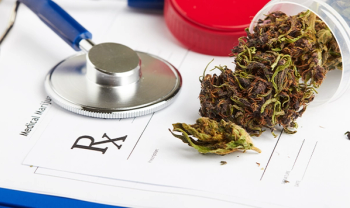
Regardless of whatever short-term benefit patients perceive from cannabis, the evidence points clearly to an association between usage and worsening course of bipolar disorder over time.

A number of factors affect treatment adherence, including the therapeutic alliance, perceived perceived lack of control, risk of dependence on medications, stigma associated with medication use, and more.

Experts discuss the rationale and history of L-methylfolate use in patients, and then shares three cases that collectively suggest L-methylfolate may contribute to agitation and mania.
When we meet a new patient who presents with "classic" symptoms, there are challenges described in this brief video.

This review highlights an important diagnostic and therapeutic task: the importance of differentiating true bipolar disorder/obsessive-compulsive disorder comorbidity from BD with secondary OCD.
When we find ourselves in the half-tested world of off-label therapies, what’s a psychiatrist to do?

The treatment of bipolar disorder changed in ways big and small in 2019. More in this summary.

Do you need help persuading patients to try lithium?
An accurate assessment of bipolar disorder requires psychiatric evaluation of a range of symptoms marked by extreme mood changes and other factors described in brief.

Just as the progress over recent decades has improved the clinical evaluation and management of BD among children and adolescents, the remaining gaps serve to inform future progress.

The first part of this series covered updates on traditional psychotropics-lithium, anticonvulsants, antipsychotics, and more. Here, Part 2 examines anti-inflammatories, natural supplements, and mitochondrial therapies.
This adverse reaction to clozapine causes more fatalities than neutropenia. Here’s how to prevent it.

For most patients, bipolar is a disorder of depression. It’s here that they spend the majority of their days...

Environmental factors in addition to climate change-air pollution, toxins, noise-seem to have detrimental psychological repercussions.

There appears to be some confusion regarding the efficacy of aripiprazole in bipolar mania and depression and for preventing bipolar episodes.

"Psychiatry has been frozen in time since the 80s, and hence the absence of progress since then is no surprise." So says, S. Nassir Ghaemi, MD, MPH, in the next installment of Conversations in Critical Psychiatry with Awais Aftab, MD.
A summary of some of the latest findings in bipolar disorder research.
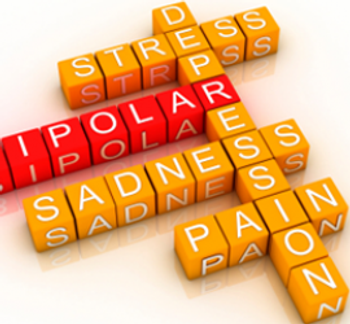
The good, the bad, and the efficacy of lamotrigine.

Depression predominates across the lifespan in patients with bipolar disorder. Here: A discussion about (and beyond) the four FDA-approved drugs to treat symptoms.

We have nearly a dozen atypical antipsychotics to choose from, but do all of these work in bipolar disorder and which of them should we start with? Listen to the podcast.