




Increased addiction risk in children of incarcerated parents; reinforcement-based interventions may decrease drug abuse; and other key findings are summarized here.
Increased addiction risk in children of incarcerated parents; reinforcement-based interventions may decrease drug abuse; and other key findings are summarized here.
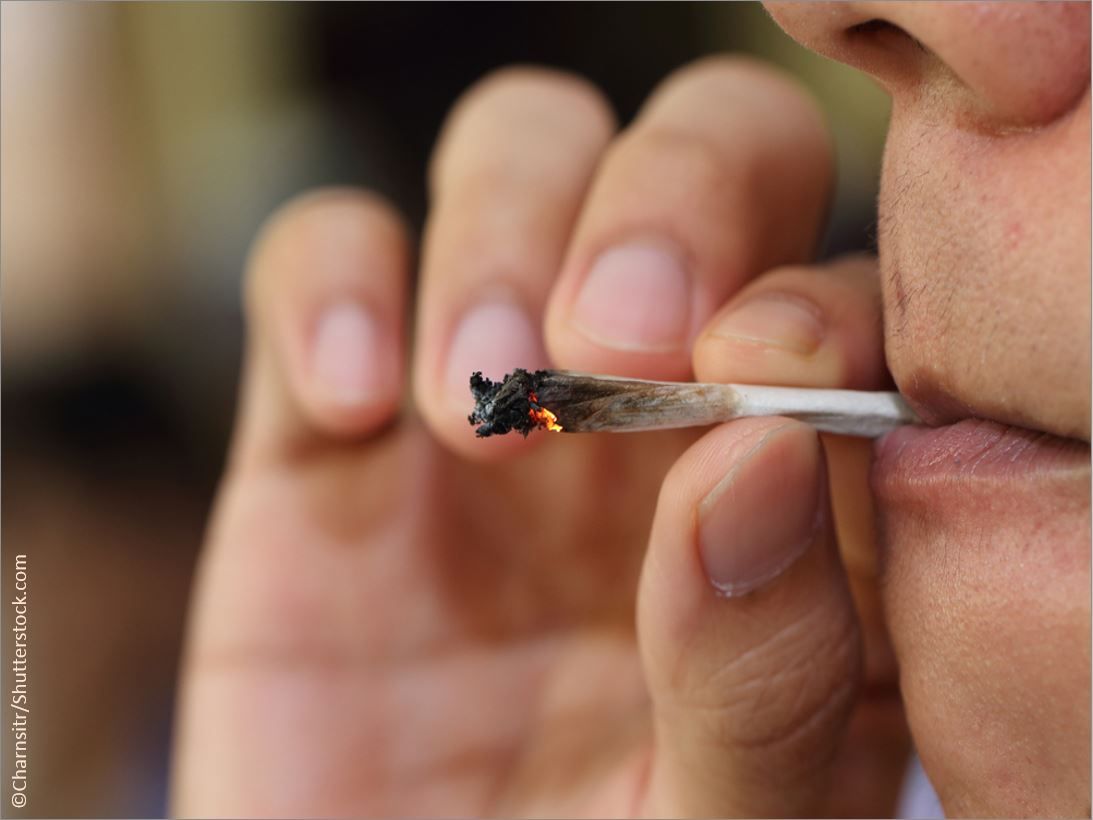
What happens when your patient uses cannabinoid compounds for pain, especially if there are currently taking opioids? Just in time for Pain Awareness Month, the results from these new studies provide insights and guidance.

A recent report provides a global update on the growth of drug use and its consequences.
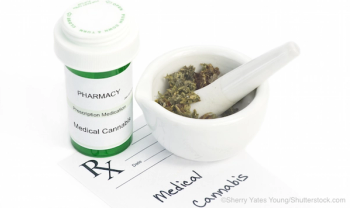
The cannabinoids (particularly CBD) have been hailed as non-addictive solutions to using escalating doses of opioids for chronic pain. More in this research update.

An interplay between genetic and early environmental factors contributes to the development of substance abuse.

New findings on a not-so-new epidemic have two key implications for psychiatrists.

Medical professionals don’t want to prescribe too many pain killers, which may contribute to the epidemic of opioid misuse, yet they don’t want patients to needlessly suffer.

Cocaine, psychostimulant, and opioid deaths continue to climb, and polysubstance opioid overdose deaths outnumber opioid-only deaths-these and other reports headline the latest developments.

How many of us, during clinical encounters with patients, focus on their families, their social communities, their sources of human contact and support?

Our job as clinicians, our privilege, is to help our patients stay alive until they can engage and benefit from good treatment.

Despite growing awareness and dangers of opioid diversion, misuse among the aging population has skyrocketed.

On December 27, I learned that my pregnancy would not come to fruition with a baby for me. The healing process begins for me as it has for countless women before me. More in Portrait of a Psychiatrist.
A quick overview of the latest advances in substance use and abuse research.

A small exploratory study provides a first look at the role of social relationships in maintaining sobriety.
"He'll just have to hit bottom." That bit of outdated advice can be terrifying. How do clinicians trying to help the person with an addiction who refuses to set foot in our office render assistance?

Opioids, suicide, and Alzheimer disease all play a large role in the life expectancy drop reported by the CDC.
Should hallucinogens such as ketamine, MDMA, psilocybin, and LSD be considered as treatment options for patients with mental illness?

Symptoms of alcohol and drug intoxication and withdrawal may resemble symptoms of bipolar disorder, making it difficult to diagnose and treat.

Seven common questions about addiction clinicians regularly hear-as well as the answers.

What factors predict if a homeless person will be able to engage in supported housing to attain and retain an apartment? What supportive services facilitate permanent exits from homelessness?
Research published more than 25 years ago was already reporting problems with opioid analgesics.
In this age of chat rooms and social media, an ever-growing number of psychiatric patients use the internet to find their treatment community online.

More than 6 out of 10 deaths involve prescribed opioids. The authors address guidelines for who should (and who should not) receive a naloxone prescription.

Several updates to ICD-10-CM affect the diagnostic codes used by mental health practitioners. One important update involves the codes for substance use disorders. Details here.

Which sleep parameters are increased in alcohol use disorders? Take the quiz and learn more.