
Opinion|Videos|May 16, 2024
Pathophysiology of Narcolepsy and the Role of Orexins
Experts on narcolepsy delve into the pathophysiology of the disorder, reviewing its underlying mechanisms and emphasizing the pivotal role of orexins in regulating sleep.
Advertisement
Episodes in this series
Advertisement
Related to this article

How to interpret antipsychotic drug levels in schizophrenia: when labs mislead, when levels help adherence and toxicity checks, and why serial monitoring matters.

Male athletes with anorexia often go unnoticed as “discipline”; learn red flags, sport-specific risks, health consequences, and treatment steps for earlier diagnosis.

Explore major depression subtypes—from melancholic to inflammatory—and how they shape symptoms, biology, and treatment choices for better outcomes.

Therapeutic drug monitoring takes guesswork out of antipsychotic care—spotting nonadherence, guiding dose targets, and defining response thresholds and the “point of futility” in schizophrenia.
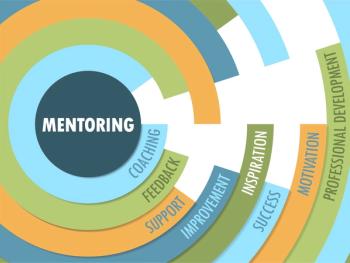
A psychiatric NP shares mentorship lessons, training fixes, and her Psych NP Boot Camp—plus practical tips to close prescriber gaps and improve team-based care.

TRD often mislabels depression; learn why MDD heterogeneity demands tailored treatments and when “difficult-to-treat” fits better.

First US TRD Awareness Day spotlights treatment-resistant depression, urging earlier recognition, stigma-breaking support, and renewed hope for patients and caregivers.

FDA approves monthly subcutaneous olanzapine LAI Weltruza, expanding schizophrenia treatment options and renewing debate on making long-acting injectables routine.
Advertisement
Advertisement
Trending on Psychiatric Times
1
What Makes Us Human? The Role of Psychiatry and the Future DSM
2
The First Ever Treatment-Resistant Depression Awareness Day
3
Relief Is Not Free: A Case Study of Athlete Cannabis Use
4
How Best to Manage Treatment-Resistant Depression
5