




Technology & Psychiatry
Latest News
Advertisement
Latest Videos





Shorts
2:00
Utilizing AI in Assessing Diagnosis
4 months ago
by
Joseph F. Goldberg, MD(+1 more)
1:24
AI in Health Records & Scribe Notes
4 months ago
by
Joseph F. Goldberg, MD(+1 more)
0:54
Predicting Depression From Sleep Data Via Machine Learning
4 months ago
by
Matt Sprague

1:30
Morning Coffee and Updates: New Plan to Protect Youth Online
5 months ago
by
Leah Kuntz
Podcasts








CME Content





Advertisement
More News

Digital reading boosts convenience but weakens comprehension and memory; evidence links “digital amnesia” to shallower learning, making print vital for deep clinical study.
FDA clears a Parkinson disease wearable and fast-tracks ecopipam for pediatric Tourette syndrome, showing advances in neuropsychiatric care.
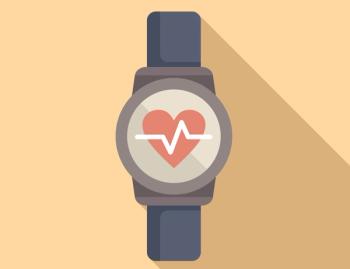
Fitbit and Google Health app data feed Amae clinicians real-time sleep, physical activity, and heart rate variability signals to spot relapse early in severe mental illness.

Clinical AI in psychiatry falters when designers miss ward realities; better ethnographic UX research reduces alert fatigue, cognitive load, and boosts meaningful adoption.

Should EDs use AI to spot suicide risk? Explore evidence, bias concerns, false positives, and what accreditation mandates could mean for care.
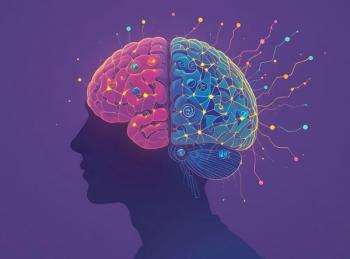
AI chatbots flood mental health care—convenient and validating, yet risky. Learn where they help, where they harm, and why therapists still matter.

Teens’ pre-bed smartphone scrolling drives more late-night phone use, disrupting sleep and potentially worsening mental health—experts urge bedtime screen limits and device-free bedrooms.

Lawsuits, research, and clinicians clash over youth screen addiction—learn more about how problematic social platform use evades diagnosis and how we can curb harm.
Unpack gaming, gambling, social media, and exercise addiction, spotlighting comorbid anxiety, withdrawal signs, and harm-reduction treatment.

New Surgeon General advisory warns of youth screen and social media harms, urging families, schools, and clinicians to act with the 5 Ds.
Digital gaming, gambling, and AI reliance drive emerging behavioral addictions, affecting mood and cognition.
Analysis of speech, acoustics, and facial cues reveals early psychosis and suicide risk.

A new report shows private practice clinicians deliver over 113 million sessions of mental health care, making up the majority of outpatient care.

Chatbot makers face rising lawsuits over suicide, addiction, and psychosis.

Psychiatry training must catch up with chatbot literacy, intake, safety, ethics, and supervised AI integration.

Should Accrediting Bodies Require AI for Suicide Risk Stratification in Emergency Settings? A Debate
Should hospitals be required to integrate AI-driven risk stratification into emergency department workflows to maintain accreditation? Join the debate.

How will AI influence psychiatry training?


JAMA study tracks young adults’ phones: a one-week social media detox cuts depression, anxiety and insomnia—especially for problematic users.

Barry Herman, MD, shares insights on real-world data of online ADHD assessment tool and telepsychiatry.

A groundbreaking online ADHD assessment shows 78% agreement with clinician evaluations, enhancing access to mental health care for adults.

Explore the transformative impact of artificial intelligence on modern life, from health care advancements to productivity enhancements and ethical considerations.

See the variety of commentary, news, and happenings in artificial intelligence (AI) and psychiatry throughout this year.

A recent survey reveals that 13% of US youth use generative AI for mental health advice, highlighting its perceived benefits and potential risks.

Alejandro Alva, MD, offers insights on the use of prescription digital therapeutics for substance use disorders at the Southern Florida Psychiatry Conference.
Advertisement
Advertisement
Trending on Psychiatric Times
1
When Antidepressants Stop Working: Understanding Tachyphylaxis in Clinical Practice
2
The Psych Consult: TSH Testing in New-Onset Depression. An Endocrinologist’s Guidance for Psychiatrists
3
What Do Patient-Level Studies Tell Us About Antidepressants and Suicide Risk?
4
ADHD Medications for Managing Menopausal Brain Fog: Improvements in Subjective Executive Function
5