




Sleep-Wake Disorders
Latest News
Advertisement
Latest Videos

Shorts

0:30
Can Sleeping Pills Treat Alzheimer Disease?
2 months ago
by
Tri Doan, MD, PhD

0:43
Why Sleep Is Critical for Psychiatric Health
2 months ago
by
Tri Doan, MD, PhD
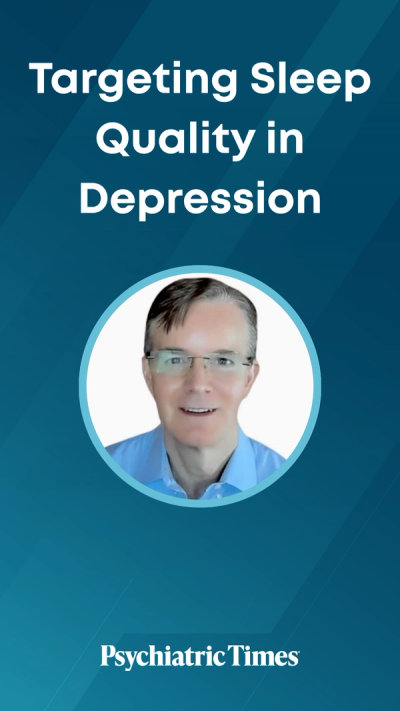
1:26
Targeting Sleep Quality in Depression
2 months ago
by
Gregory Sullivan, MD

0:42
How Genetics and Sleep Quality Predict Early Alzheimer Disease
2 months ago
by
Tri Doan, MD, PhD
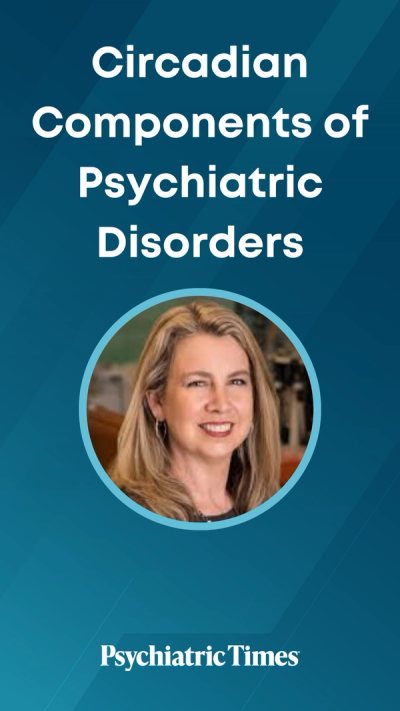
1:36
Circadian Components of Psychiatric Disorders
3 months ago
by
Colleen McClung, PhD

1:35
Bidirectionality of Sleep Quality and Waking Function
3 months ago
by
Michael Scullin, PhD
1:40
Positive Alixorexton Data In Narcolepsy
3 months ago
by
David Plante, MD, PhD
1:30
Links Between Sleep Health and Falls In Older Adults
4 months ago
by
Jesse Cook, PhD

1:11
Morning Coffee and Updates: Orexin 2 Receptor Agonists at SLEEP 2026
4 months ago
by
Leah Kuntz
1:14
Relationship of REM Sleep and Depression
4 months ago
by
Jack Peltz, PhD
Podcasts

CME Content





Advertisement
More News
Check out new phase 2 dose-ranging study data evaluating alixorexton in patients with narcolepsy type 2.
REFRESH data show once-nightly sodium oxybate real-world outcomes.

REFRESH real-world study follows once-nightly sodium oxybate in narcolepsy.

Midlife sleep trouble predicts poorer well-being 9 years later, especially for women. Here's why clinicians should ask about sleep and menopause triggers.
Long-term study links sleep problems to poorer well-being in aging adults, highlighting sex differences and why insomnia isn’t just aging.
New phase 3 data show oveporexton (TAK-861) boosts functioning and cognition, eases NT1 symptoms, and improves sleep
New SLEEP 2026 insights reveal how REM sleep preserves memories while stripping emotional sting—key clues for PTSD and healthier sleep.
Behavioral therapies: important parts of sleep disorder treatment.

Menopause-related sleep disruptions and slow-wave scoring bias may skew women’s neurodegeneration risk insights, SLEEP 2026 highlights.
Explore how digital reminders boost prospective memory in aging and dementia, plus practical sleep habits that turn health knowledge into real behavior changes.
Learn more about the bidirectional relationship between sleep and waking behaviors.
Learn why awakenings are normal, sleep needs shift with age, and deep sleep protects brain health and cognition.
New research links sleep inertia and daytime sleepiness to dangerous falls in older adults—learn which sleep habits may prevent injuries.

Learn more about sleep issues and their relation to Alzheimer disease.
New research links better NREM sleep to slower Alzheimer disease changes: zolpidem restores brain rhythms, cuts amyloid, and boosts memory in mice models.

Teens’ pre-bed smartphone scrolling drives more late-night phone use, disrupting sleep and potentially worsening mental health—experts urge bedtime screen limits and device-free bedrooms.
Carlos H. Schenck, MD, delivered the keynote address at SLEEP 2026 on REM sleep behavior disorder. Here's what psychiatrists and mental health clinicians need to know.
Alixorexton boosts wakefulness in type 1 narcolepsy, shows cognitive and fatigue gains, and hints at ADHD and neurodegenerative uses.

ASPIRE survey reveals fatigue and cognitive impairment reduce work abilities and quality of life in narcolepsy and idiopathic hypersomnia, exposing unmet needs.

At the 2026 ASCP Annual Meeting, Eric Konofal, MD, PhD, argued that sleep assessment should become a routine part of ADHD evaluation and treatment.

Learn why insomnia and daytime sleepiness signal psychiatric risk, and how screening for apnea, delayed phase, and fatigue sharpens treatment.

New psychiatry drugs target dementia agitation, ADHD, depression, TRD, and schizophrenia—see which novel mechanisms may reach the FDA next.

Lifestyle medicine pillars help reshape depression and anxiety treatment in psychiatry.
Sleep disorders commonly occur in young patients with ADHD. See how to monitor and treat these issues.

Stroke recovery lasts years; learn why fatigue, sleep, hormones and cognition demand ongoing rehab beyond 90 days—and how progress can continue.
Advertisement
Advertisement
Trending on Psychiatric Times
1
What Clinicians Need to Know About Postpartum Psychosis
2
Brain Trust: Therapeutic Drug Monitoring and Adherence in Schizophrenia, With Jonathan M. Meyer, MD
3
ACNP Position Paper Lays Out Roadmap for Biomarker-Guided Psychiatric Drug Trials
4
Nature vs Nurture: The Interplay Between Genetics and Environmental Influences
5