



Technology & Psychiatry
Latest News

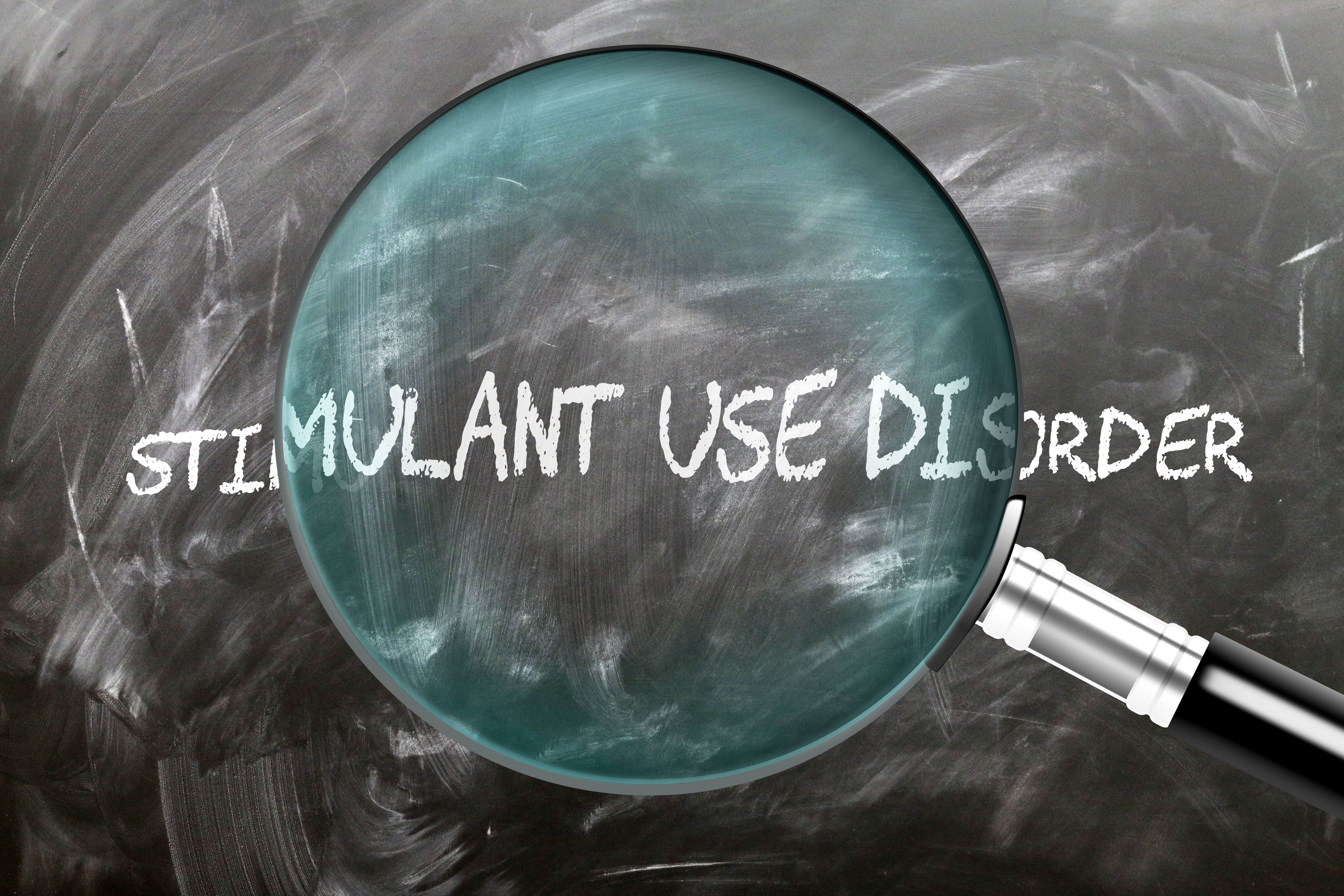
FDA Grants Breakthrough Device Designation to NET Recovery's Device for Stimulant Use Disorder
By Leah Kuntz
Advertisement
Latest Videos





Shorts
1:21
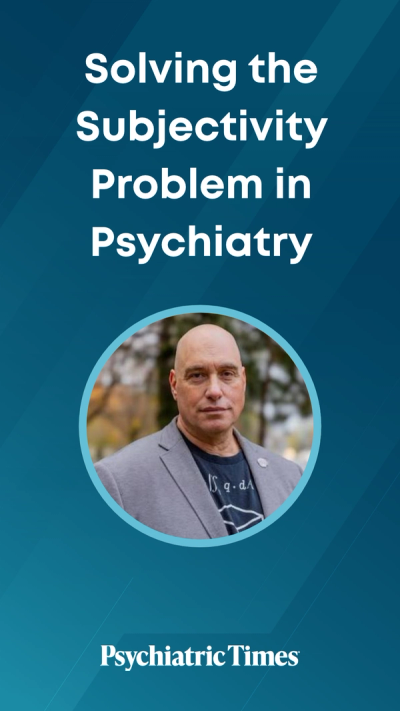
Solving the Subjectivity Problem in Psychiatry
18 days ago
by
Joseph Geraci, PhD, MS
2:00
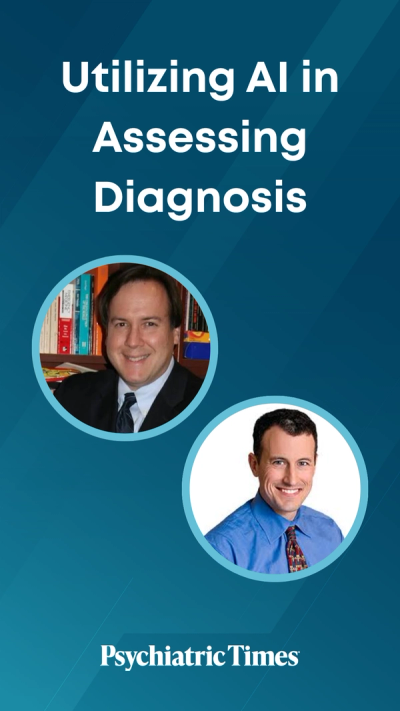
Utilizing AI in Assessing Diagnosis
5 months ago
by
Joseph F. Goldberg, MD(+1 more)
1:24
AI in Health Records & Scribe Notes
5 months ago
by
Joseph F. Goldberg, MD(+1 more)
0:54
Predicting Depression From Sleep Data Via Machine Learning
5 months ago
by
Matt Sprague

1:30
Morning Coffee and Updates: New Plan to Protect Youth Online
6 months ago
by
Leah Kuntz
Podcasts








Advertisement
More News

Meta faces an $18B teen-safety settlement, adding time limits, night and school modes, parental controls, and tighter age checks across Instagram and Facebook.

Digital reading boosts convenience but weakens comprehension and memory; evidence links “digital amnesia” to shallower learning, making print vital for deep clinical study.

FDA clears a Parkinson disease wearable and fast-tracks ecopipam for pediatric Tourette syndrome, showing advances in neuropsychiatric care.

Fitbit and Google Health app data feed Amae clinicians real-time sleep, physical activity, and heart rate variability signals to spot relapse early in severe mental illness.

Clinical AI in psychiatry falters when designers miss ward realities; better ethnographic UX research reduces alert fatigue, cognitive load, and boosts meaningful adoption.

Should EDs use AI to spot suicide risk? Explore evidence, bias concerns, false positives, and what accreditation mandates could mean for care.
AI chatbots flood mental health care—convenient and validating, yet risky. Learn where they help, where they harm, and why therapists still matter.

Teens’ pre-bed smartphone scrolling drives more late-night phone use, disrupting sleep and potentially worsening mental health—experts urge bedtime screen limits and device-free bedrooms.

Brain Trust: Artificial Intelligence in Psychopharmacology, Promise and Pitfalls With Roy Perlis, MD
How AI can aid everyday psychiatry—TRD prediction, suicide risk, and smartphone phenotyping—plus why data quality and workflow still block adoption.

Lawsuits, research, and clinicians clash over youth screen addiction—learn more about how problematic social platform use evades diagnosis and how we can curb harm.
AI analyzes wearable data to reveal objective biomarkers for ADHD and anxiety, enabling passive tracking and earlier psychiatric detection.
Unpack gaming, gambling, social media, and exercise addiction, spotlighting comorbid anxiety, withdrawal signs, and harm-reduction treatment.

New Surgeon General advisory warns of youth screen and social media harms, urging families, schools, and clinicians to act with the 5 Ds.
Digital gaming, gambling, and AI reliance drive emerging behavioral addictions, affecting mood and cognition.
Advertisement
Advertisement
Trending on Psychiatric Times
1
Reimagining Depression Care: Why rTMS Should Be First-Line Treatment
2
Long-Acting Injectable Antipsychotics: Balancing Evidence, Ethics, and Patient Care
3
Podcast: Bessel van der Kolk, MD, on Trauma, Attachment, and the Limits of Pharmacotherapy for PTSD
4
Valbenazine Eases Pain, Mobility, and Mouth and Throat Impacts of Tardive Dyskinesia
5