
Opinion|Videos|January 27, 2025
Supporting Mothers With Postpartum Depression and Promoting Culturally Sensitive Care
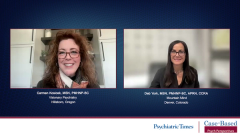
Panelists discuss how faster-acting treatments like zuranolone might improve patient outcomes and quality of life, the initial signs to monitor for assessing effectiveness, barriers to accessing such therapies in underserved populations and strategies to increase accessibility, approaches to ensuring safety while addressing distress in patients with intrusive thoughts, effective strategies for managing sleep issues in postpartum depression (PPD), advice for the psychiatry community when treating PPD, and how to tailor advice for clinicians working with underserved populations.
Advertisement
Episodes in this series

Advertisement
Related to this article

Lisa Harding, MD, says ECT, ketamine, TMS, and VNS can work, but evidence on what comes after acute response remains thin.

Why D2 blockade alone falls short in schizophrenia, and what neurotransmitter, genetic and neuroimaging research means for treatment-resistant patients.

Discover expanded psychiatry coverage with new podcasts, interactive digital issues, and event reporting—we are your always-on media hub delivering fresh insights year-round.
GLP-1 drugs enter psychiatry, curbing antipsychotic weight gain while raising new questions about addiction, mood, eating disorders, and culture.

Miss Golden Corner 2026 discusses the South Carolina campus naloxone law she helped start and her push to reduce addiction stigma in rural communities.

Explore the urgent legal, ethical, and clinical challenges in emergency psychiatry, share cases and tips, and contribute to Psychiatric Times’ November series.
A Delphi panel recommends screening for eating disorders before GLP-1 receptor agonist initiation.

Alkermes launches a phase 2 trial of oral orexin-2 agonist ALKS 7290 to boost antidepressant response in major depressive disorder, assessing safety and symptom relief.
Advertisement
Advertisement
Trending on Psychiatric Times
1
The Ozempic Dilemma: Promises and Pitfalls in Psychiatry
2
Schizophrenia: A Telltale of the Brain’s Complexity
3
Talking With Titans: Sheldon Preskorn, MD, on the Evolution of Psychopharmacology
4
Podcast: Interventional Psychiatry and the Challenge of Difficult-to-Treat Depression
5