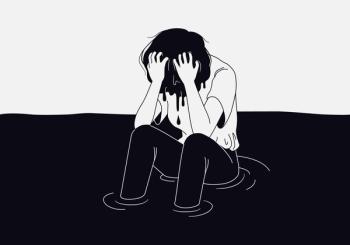
There is a question older than medicine, and perhaps older than philosophy, that psychiatry has largely avoided: What makes us human?
Transference - Poetry of the Times
I can't remember what he says
this first session, only his careful attention,
and a sense he sees through my camouflage.
I feel I've known him a long time,
familiar as red in the maple outside
or the smell of leather on my father's skin.
When I cry, tissues are at hand,
and when I sob, he listens, alert,
silent, which comforts me and is sufficient.
And I feel closer to him than 50 minutes
should allow, a puzzled sensation
I've known him all my life.
Certain I have chosen wisely,
I reach out to say good-bye,
and in the instant I say Jerry
memory hits a nerve
with my dead father's name.
© CME LLC
7/00
over 25 years ago
What Makes a Psychiatrist Cryover 26 years ago
When a Patient Has No Story To Tell: Alexithymia