|Articles|February 1, 1999
- Psychiatric Times Vol 16 No 2
- Volume 16
- Issue 2
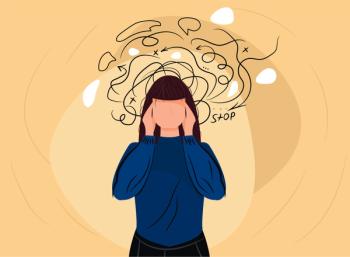
Woman With a Finger Stuck in Her Nose
Woman With a Finger Stuck in Her Nose - Poetry of the Times
Advertisement
What was funny
wasn't where it was stuck,
or her phoning
Please, a surgeon,
my brain is leaking out!
No, the funny part was
the hospital operator
triaging her right
to psychiatry.
It's comical, too
when you get your own
finger stuck somewhere
and your brain starts to ooze,
how someone lands
from out of the blue
with a cork,
some suture,
or a few words
that hold you together
like crazy glue,
solid as a kiss,
a joke,
a prayer.
© CME LLC
2/99
Read more
of Dr. Berlin's work.
Articles in this issue
over 27 years ago
Chavez Warns of Declining Mental Health Resourcesover 27 years ago
Commentary: Kevorkian on Trialover 27 years ago
The Politics of Health Care Can the APA Make a Difference?over 27 years ago
National Center for Alternative Medicine Establishedover 27 years ago
Scientific Assessment of Alternative Medicineover 27 years ago
Biofeedback and Anxietyover 27 years ago
Music Therapy for Inpatient Psychiatric Care in the 1990sover 27 years ago
Culture and Eating Disordersover 27 years ago
Therapeutic Aspects of the Human-Companion Animal InteractionAdvertisement
Related to this article

In this case exploration, a teen survives a gun injury yet denies self-harm, pushing clinicians to read beyond words and plan safety when suicide intent is unclear.

How tuning body signals with closed-loop sound and chill tech may ease dissociation and anhedonia, offering drug-free add-ons to therapy.

Two grief experts expose the hidden health, social, and economic toll of bereavement—and the policy gaps leaving millions of grieving Americans unsupported.

Learn how the inhibition constant and 5-HT2A binding explain LSD effects—and why potent atypical antipsychotics may rapidly end a bad trip.

FDA hearing spotlights debates over psychedelic therapy: who administers, how to prove efficacy, and how to track safety as approvals near.

New US adult ADHD guidance nears publication, promising clearer diagnosis, comorbidity screening, and clinician training to curb misdiagnosis.

New research maps an mPFC–zona incerta circuit that drives punishment-resistant binge eating and hints at personalized brain stimulation targets for better treatment.
Advertisement
Advertisement
Trending on Psychiatric Times
1
Vol 43, Issue 9 - Interactive
2
FDA Hearing on Psychedelic Medicine Reveals a Field Divided on the Road to Approval
3
New Adult ADHD Guidelines: What Resources Are Coming Soon
4
Insights on the New Adult ADHD Guidelines: A Conversation With the President of APSARD
5