
"It would be naïve to believe that targeting a single neurotransmitter, receptor, or circuit in the brain will cure any psychiatric or neurological disorder. However, we would be remiss if we did not try."

Dr Miller is Medical Director, Brain Health, Exeter, New Hampshire; Editor in Chief, Psychiatric Times; Voluntary Consulting Psychiatrist at Seacoast Mental Health Center, Exeter/Portsmouth, NH; Consulting Psychiatrist, Insight Meditation Society, Barre, Massachusetts.
"It would be naïve to believe that targeting a single neurotransmitter, receptor, or circuit in the brain will cure any psychiatric or neurological disorder. However, we would be remiss if we did not try."

These are the extra figures for John J. Miller, MD's article, "Serotonin: A Biography" from the 2022 September issue.
CBD and THC? What's the difference and why does it matter?
The resistance against "magic mushrooms"—is it justified?
Here's why more research is important to help us better understand the effects of cannabis on our patients.

Is the term, "extrapyramidal symptoms," an example of a “4-letter word”?

"The young and exciting field of psychiatric pharmacogenomics is providing a third pillar of understanding to aid in our competent and informed prescribing of drugs, joining the more well-established pillars of pharmacokinetics and pharmacodynamics."

What does the Psychiatric Times Editor in Chief think about 988?

What are the benefits of early and comprehensive intervention for patients in their first episode of a serious mental illness?

Our Editor in Chief is thrilled to be live and in person at the 2022 APA Annual Meeting in New Orleans. Here's why.
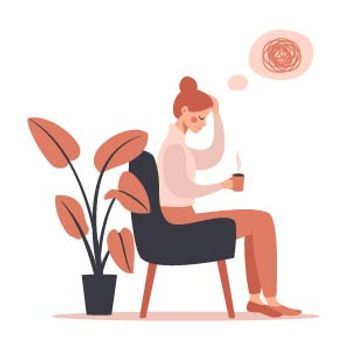
How do social stressors contribute to patient symptoms?

There have been many exciting advances in telemedicine in recent years. But does telemedicine really allow us to be genuinely present for our patients?

The 2022 Annual Psychiatric Times World CME Conference is coming in August.

Take a look at the 4 primary movement disorders commonnly encountered in psychiatry when antipsychotics are prescribed.

How can you empower the patient to be part of the discussion surrounding their treatment?

Once again it is time to embrace a new DSM. What can we expect from this new version?

DSM-5-TR is here.
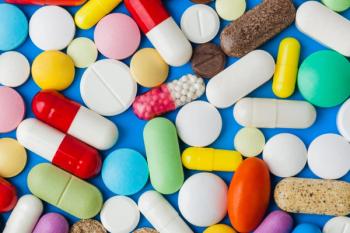
In this CME article, familiarize yourself with various pharmacokinetic, pharmacodynamic, and patient-specific factors to review to develop a successful cross-titration plan from one antipsychotic to another.

Smart phones have the potential to be either a useful and highly constructive asset or a destructive and harmful diversion from life.
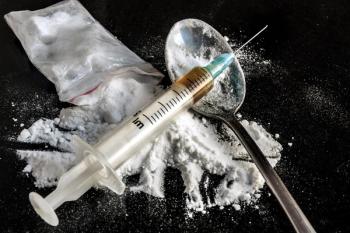
Playing with opioids is a dangerous game...
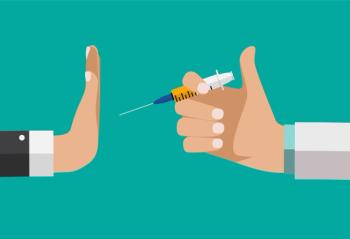
This is the sad reality: In the first year of COVID-19, there were 20,000 more opioid overdose deaths than years previous.

The glass is half full: reflections on where we are and hope for where we are heading in psychiatry.

Here's why the RAISE study is important and what you need to know to help patients.
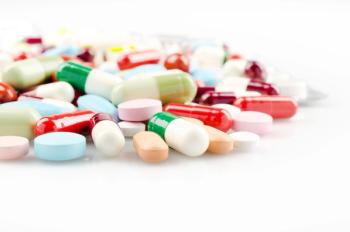
Is that drug a partial agonist … or a partial agonist?

Collaborative care provides the best possible patient outcomes.

The importance of specifically defining a drug’s mechanism as partial agonism or antagonism/partial agonism for better clinical outcomes.

Thinking about belief systems and preferences that differ from your own? Imagine the human brain as a mansion.
The history of medicine is a never-ending work in progress. What is the next chapter in the psychiatry and genetics story?
The long trail of posttraumatic pain and suffering leaves behind too many people whose lives will never be the same...

10 keys to understanding the science of cannabinoids.