
Opinion|Videos|November 7, 2024 (Updated: November 7, 2024)
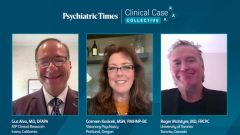
Defining and Managing Treatment-Resistant Depression: Efficacy and Real-World Insights
A panel of mood disorder experts explore the challenges of treatment-resistant depression (TRD), including defining TRD, managing partial improvement, and addressing adverse reactions. They discuss the role of glutamate in TRD, efficacy and safety considerations from clinical trials, treatment half-life, and real-world experiences with pharmacovigilance.
Advertisement
Episodes in this series
Advertisement
Related to this article

Phase 2 trial shows daridorexant boosts pediatric insomnia sleep time up to 50 minutes, including ADHD/ASD patients, with strong safety and phase 3 plans.

New automated connectomics maps synapses across circuits, revealing how inhibitory neuron subtypes shape decision-making and may explain circuit dysfunction in psychiatric disorders.

FDA aligns with Cognition on a phase 3 zervimesine trial for Lewy body dementia, testing 100 mg daily for 9 months to target hallucinations.

Sleep disruption fuels Alzheimer risk via apnea, fragmentation, and inflammation; improving consolidated sleep, medication review, and sleep-specialist teamwork may protect cognition.

UK AD-SMART platform trial speeds Alzheimer disease treatment discovery by testing multiple repurposed drugs at once across NHS sites, aiming to protect memory and quality of life.

When an antidepressant seems to stop working, the patient’s deterioration is real. The explanation may be less certain.

The evidence points toward an overall protective effect in adult cohorts and no increase in completed suicide in younger populations.

A psychiatry resident and APA Diversity Leadership Fellow explains how social history, open talk about stigma, and bilingual videos can widen access to care.
Advertisement
Advertisement
Trending on Psychiatric Times
1
MDD Side Effect Profiles: Counseling, Adherence, and Suicidality Monitoring
2
Synapse-Level Mapping Could Reveal How Disrupted Brain Circuits Lead to Psychiatric Disorders
3
Daridorexant, Orexin Receptor Agonist, Shows Positive Results in Pediatric Insomnia
4
Sleep Disruption and Alzheimer Disease: A Bidirectional, Treatable Relationship
5