Navigating Agitation Associated with Dementia Due to Alzheimer's Disease: Multidisciplinary Strategies and Practical Treatment Considerations
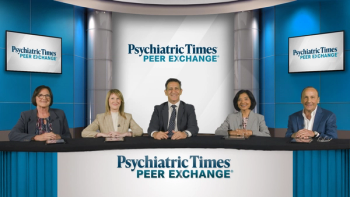
EP. 1: Agitation Associated with Dementia Due to Alzheimer’s Disease: How Common Is It, and How Does It Present?
ByMarwan Sabbagh, MD, FAAN, FANA,Amita R. Patel, MD, CMD, MHA, CPE,Erin Crown, MHS, PA-C, Psych-CAQ,David Liporace, DO,Laura Melaro, DNP, APRN, FNP-BC, PMHNP-BC Agitation eventually affects nearly every patient with Alzheimer's disease, yet it rarely looks like simple aggression. The panel outlines how common it is, the many forms it takes, and why it so often goes unrecognized.
EP. 2: Differentiating Agitation from Depression, Anxiety, and Psychosis
ByMarwan Sabbagh, MD, FAAN, FANA,Amita R. Patel, MD, CMD, MHA, CPE,Erin Crown, MHS, PA-C, Psych-CAQ,David Liporace, DO,Laura Melaro, DNP, APRN, FNP-BC, PMHNP-BC Distinguishing agitation from depression, anxiety, and psychosis shapes everything that follows in treatment. The panel walks through the clinical differences and where formal screening scales genuinely fit into daily practice.
EP. 3: Coordinating Care and Caregiver Burden in Agitation
ByMarwan Sabbagh, MD, FAAN, FANA,Amita R. Patel, MD, CMD, MHA, CPE,Erin Crown, MHS, PA-C, Psych-CAQ,David Liporace, DO,Laura Melaro, DNP, APRN, FNP-BC, PMHNP-BC Agitation does not stay contained to the patient. The panel examines the data linking agitation to caregiver burden, and the communication gaps that complicate coordinating care across specialties.
EP. 4: Non-Pharmacologic Strategies and the DICE Approach to Agitation
ByMarwan Sabbagh, MD, FAAN, FANA,Amita R. Patel, MD, CMD, MHA, CPE,Erin Crown, MHS, PA-C, Psych-CAQ,David Liporace, DO,Laura Melaro, DNP, APRN, FNP-BC, PMHNP-BC Before any prescription is written, non-pharmacologic strategies and a structured framework guide the panel's approach to agitation, alongside a biological explanation for why redirection so often fails.
EP. 5: The Shift From Off-Label Use to On-Label Agitation Therapy
ByMarwan Sabbagh, MD, FAAN, FANA,Amita R. Patel, MD, CMD, MHA, CPE,Erin Crown, MHS, PA-C, Psych-CAQ,David Liporace, DO,Laura Melaro, DNP, APRN, FNP-BC, PMHNP-BC Decades of off-label prescribing for agitation associated with dementia due to Alzheimer’s are colliding with new evidence and new regulation. The panel examines why practice has lagged behind the data, and what is now changing.
EP. 6: Unmet Needs and Mechanisms Behind Newer Agitation Therapies
ByMarwan Sabbagh, MD, FAAN, FANA,Amita R. Patel, MD, CMD, MHA, CPE,Erin Crown, MHS, PA-C, Psych-CAQ,David Liporace, DO,Laura Melaro, DNP, APRN, FNP-BC, PMHNP-BC Two on-label options are not enough for every patient. The panel weighs the field's remaining unmet needs against the biological rationale behind a newer, non-antipsychotic approach to treatment.
EP. 7: Pivotal Trials: Efficacy and Safety of Dextromethorphan-Bupropion in Agitation
ByMarwan Sabbagh, MD, FAAN, FANA,Amita R. Patel, MD, CMD, MHA, CPE,Erin Crown, MHS, PA-C, Psych-CAQ,David Liporace, DO,Laura Melaro, DNP, APRN, FNP-BC, PMHNP-BC Pivotal trial data can reshape when clinicians feel comfortable starting treatment. The panel walks through the short- and long-term study results behind a newer agitation therapy in detail.
EP. 8: Safety, Dosing, and Drug Interactions for Dextromethorphan-Bupropion in Agitation
ByMarwan Sabbagh, MD, FAAN, FANA,Amita R. Patel, MD, CMD, MHA, CPE,Erin Crown, MHS, PA-C, Psych-CAQ,David Liporace, DO,Laura Melaro, DNP, APRN, FNP-BC, PMHNP-BC Safety data, not just efficacy, determines how comfortable clinicians feel prescribing. The panel reviews the safety profile, dosing schedule, and drug interactions relevant to a newer agitation therapy.
EP. 9: Mechanism and Trial Data for an Antipsychotic Agitation Therapy
ByMarwan Sabbagh, MD, FAAN, FANA,Amita R. Patel, MD, CMD, MHA, CPE,Erin Crown, MHS, PA-C, Psych-CAQ,David Liporace, DO,Laura Melaro, DNP, APRN, FNP-BC, PMHNP-BC A second on-label option carries its own distinct mechanism and its own trial history. The panel details how this antipsychotic therapy was studied and what its data actually show.
EP. 10: Long-Term and Real-World Safety Data on Antipsychotic Agitation Therapy
ByMarwan Sabbagh, MD, FAAN, FANA,Amita R. Patel, MD, CMD, MHA, CPE,Erin Crown, MHS, PA-C, Psych-CAQ,David Liporace, DO,Laura Melaro, DNP, APRN, FNP-BC, PMHNP-BC Longer follow-up and real-world claims data add context that pivotal trials alone cannot provide. The panel examines both, alongside how monitoring for response actually happens in daily practice.
EP. 11: What Drives Treatment Selection Between the Two On-Label Agitation Therapies
ByMarwan Sabbagh, MD, FAAN, FANA,Amita R. Patel, MD, CMD, MHA, CPE,Erin Crown, MHS, PA-C, Psych-CAQ,David Liporace, DO,Laura Melaro, DNP, APRN, FNP-BC, PMHNP-BC With two on-label options now available, the choice between them comes down to comorbidities, psychosis, and risk. The panel also examines how long-term care rating pressures complicate that decision in practice.
EP. 12: Shared Decision-Making for Agitation in Specialty Care and Disease Trajectory
ByMarwan Sabbagh, MD, FAAN, FANA,Amita R. Patel, MD, CMD, MHA, CPE,Erin Crown, MHS, PA-C, Psych-CAQ,David Liporace, DO,Laura Melaro, DNP, APRN, FNP-BC, PMHNP-BC Specialty care approaches shared decision-making differently, and the stakes extend beyond a single symptom. The panel closes this discussion by debating whether treating agitation can shift disease trajectory itself.
EP. 13: Choosing Between Augmentation and Switching for Agitation Therapy
ByMarwan Sabbagh, MD, FAAN, FANA,Amita R. Patel, MD, CMD, MHA, CPE,Erin Crown, MHS, PA-C, Psych-CAQ,David Liporace, DO,Laura Melaro, DNP, APRN, FNP-BC, PMHNP-BC When first-line therapy falls short, the decision to augment or switch is rarely straightforward. The panel examines that decision-making process alongside neurology's evolving role in managing agitation.
EP. 14: Follow-Up Care and the Caregiver's Role in Managing Agitation
ByMarwan Sabbagh, MD, FAAN, FANA,Amita R. Patel, MD, CMD, MHA, CPE,Erin Crown, MHS, PA-C, Psych-CAQ,David Liporace, DO,Laura Melaro, DNP, APRN, FNP-BC, PMHNP-BC Treatment does not end with a prescription. The panel closes by examining who owns follow-up care, and why caregivers remain the true cornerstone of managing Alzheimer's agitation over time.
