
According to the National Institute on Drug Abuse, of all the illicit substances, marijuana is the most commonly abused among adolescents and young adults, and abuse during adolescence increases the likelihood of dependency in adulthood.
According to the National Institute on Drug Abuse, of all the illicit substances, marijuana is the most commonly abused among adolescents and young adults, and abuse during adolescence increases the likelihood of dependency in adulthood.
Is neuromyelitis optica (nmo) igg autoantibody unique to NMO or is it expressed in multiple sclerosis (MS) as well? Recent studies have confirmed the autoantibody’s specificity and are shedding more light on how NMO IgG's autoantigen, the water channel aquaporin-4 (AQP4), uniquely behaves in NMO and MS.
Perceptions
I was Dr George Engel's assistant and associate for 14 years. His biopsychosocial model was a conceptual effort designed to get beyond the reductionistic biomedical model that still prevails. In his letter, Dr Victor Schwartz reads Dr Engel much more closely and to the point than does Dr Waterman "Biopsychosocial Model: Helpful or Hindering?" Psychiatric Times, May 2007).
Although the Washington Report used the term "postabortion depression," this is a term to which the APA objected. There is no credible scientific evidence for such a diagnostic category or for a causal relationship between abortion and mental illness.
Near the top of your wish list might be a way to selectively turn on or off individual wires in the black box, because it would allow you to falsify causal linkages, associating observable changes in robotic behavior with your manipulations.
All of us have heard the phrase "between a rock and a hard place," and many of us have been in the situation that the idiom describes. However, few of us (other than English professors) likely know the origin of the saying and even fewer of us know how it applies to clinical psychiatry. Delving into these seemingly unrelated queries will be the subject of this month's column.
Early relapse is a limiting defect in electroconvulsive therapy (ECT). Although more than 80% of patients with a severe depressive illness who complete an acute course of ECT are relieved within three weeks, up to 60% relapse within six months, despite continuation treatments with antidepressant medications.1,2 In a large, government-supported, collaborative study led by the Columbia University Consortium (CUC), patients with unipolar major depression that had failed to respond to multiple trials of medications were treated with ECT to clinical remission and then randomly assigned to one of three continuation treatments--placebo, nortriptyline (Aventyl, Pamelor) alone, or the combination of nortriptyline and lithium (Eskalith, Lithobid). The patients were monitored for adequacy of blood levels.1 Within the six-month follow-up period, 84% of patients treated with placebo, 60% of patients treated with nortriptyline, and 39% of patients treated with the combination medications had relapsed.
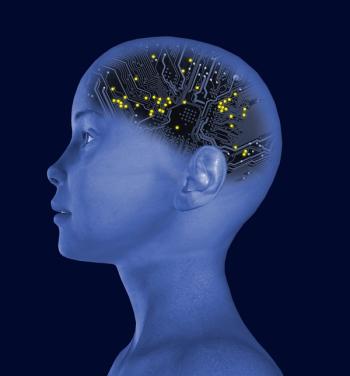
It is not known what makes children vulnerable to the development of psychogenic nonepileptic seizures. To date, there are no research studies available on the epidemiological, medical, or genetic risk factors for childhood PNES.
Since its introduction in DSM-III in 1980, attention-deficit/ hyperactivity disorder (ADHD) has proved to be a developmental disorder with many causes and complex behavioral, cognitive, and emotional manifestations that can impair academic functioning, occupational achievement, social relationships, and self-esteem.
Bone mineral density (BMD) was reduced at a greater rate in older women when they had symptoms of depression, according to one recent report from the Study of Osteoporotic Fractures Research Group, while another report implicated treatment with SSRI antidepressants.
Suicide is the third leading cause of death in younger (10- to 14-year-old) adolescents in the United States and the leading cause of death in this age group in other countries, including China, Sweden, Ireland, Australia, and New Zealand.
Portable pulse oximeters are inexpensive ($150 to $600), are noninvasive, and can measure a patient's oxygen saturation in 5 to 10 seconds.
In 20 years of dealing with severe schizophrenia in her sister and daughter, it occurred to psychologist Joyce Burland, PhD, that she "had never been given any instruction on how to be helpful to them," so in 1991, she wrote up a highly structured course with a standardized curriculum and training guide.
The Treatment for Adolescents With Depression Study (TADS) represents the single largest and potentially most informative clinical trial of adolescents with depressive illness. The overall aim of the study was to investigate the effectiveness of standard interventions for adolescent outpatients with moderate to severe depression.
Child and adolescent psychosomatic medicine, usually in the realm of the pediatric psychiatric consultation-liaison service, seeks to address the complex relationship between a child's physical illness and affective state with the goal of improving the child's emotional well-being.
In part 1 of this essay, I argued that individual freedom is not only compatible with determinism but dependent on it. I also argued that freedom is not an "either/or" condition. Rather, actions may be more or less free, and therefore, more or less "responsible," depending on a number of contingent factors, yielding various degrees of freedom. Psychiatrists, I suggested, can be most helpful in so far as we can describe, study, and categorize these degrees of freedom and the psychopathological conditions that undermine them. In part 2, I elaborate on the "naturalistic" model of freedom and autonomy and suggest how it may be applied to psychiatric disorders and medico-legal determinations of culpability.
The American Academy of Child and Adolescent Psychiatry recently published a practice parameter with evidence-based guidelines for the assessment and treatment of children and adolescents with attention-deficit/hyperactivity disorder (ADHD). Recommendations for the best treatment practices were made based on empirical evidence and clinical consensus, and the strength of these recommendations was based on the extent and degree of these variables. This column will provide a summary of the parameter.
A recent 4-year study linked apathy to a hastened decline in persons with Alzheimer disease (AD). Another recent study found that persons with mild cognitive impairment (MCI) were more likely to convert to AD a year later if they also had apathy.
Short of mass screening of the elderly using a neuropsychological test or some yet-to-be-determined biomarker, persons with cognitive disorders come to the attention of the health care system only when symptoms are recognized. Occasionally, physicians identify cognitive deficit on routine examination or when they notice patients having trouble following instructions (eg, taking medications properly)
AIDS Dementia: Current Status and New Treatment Approaches
Conventional antipsychotic drugs such as haloperidol have been supplanted by newer, atypical antipsychotics (risperidone [Risperdal], olanzapine [Zyprexa], quetiapine [Seroquel], ziprasidone [Geodon], aripiprazole [Abilify]), although no medication has an FDA indication for the treatment of behavioral symptoms in patients with dementia
In 1993, Charles Grob, MD, professor of psychiatry and pediatrics at the University of California, Los Angeles (UCLA) School of Medicine, and a research team were invited to study the physical and psychological effects of ayahuasca, a plant mixture that produces psychedelic effects.
The clinical diagnosis of Pick disease can be one of the most difficult facing the neurologist. Those patients found to have lobar atrophy usually present clinically with bouts of irrational behavior, bulimia, marked reductions in speech, abulia, and apathy.
There is no shortage of hyperbole when politicians of all stripes describe the nature and effects of video games. Republican presidential candidate Mitt Romney proclaimed, "Pornography and violence poison our music and movies and TV and video games.
Attachment may be defined as a composite of behaviors in an infant, toddler, or young child that is designed to achieve physical and emotional closeness to a mother or preferred caregiver when the child seeks comfort, support, nurturance, or protection.
Most of what we read confirms the correctness of our approach and technique. Reasonably proud of our successes as clinicians, we blame the illness rather than the patient when we fail.
Major depression is at once simple and complex. At one level, the treatment of this disorder is straightforward. Yet, at a multitude of other levels, it is a complex condition for which available treatments remain suboptimal.
The Substance Abuse Handbook offers a comprehensive, clinically oriented approach to the treatment of addictive disorders. It contains a wealth of useful information, ranging from causes of addiction to different modes of treatment.
If clinical trials data are any indication, the potential impact of placebo treatment on depression outcomes may be potent. Placebo response rates in clinical trials for depression average approximately 30%, with a top range beyond 50%-and the trend is upward.