


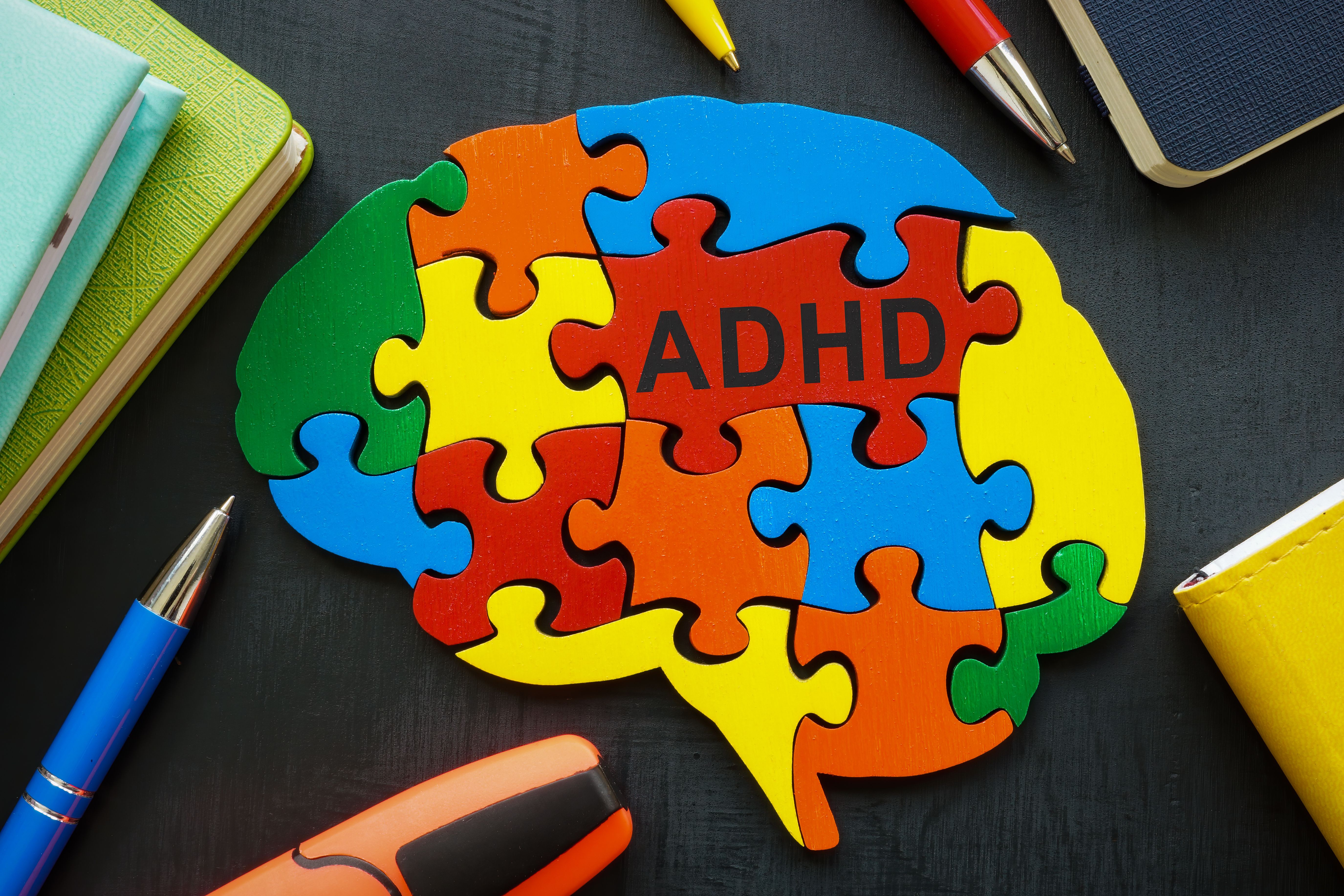


ADHD
Latest News
Advertisement
Latest Videos




Shorts
1:54
Improving Sleep Behaviors for Youth ADHD
6 months ago
by
Amit Chopra, MD
0:59
A 3-Pronged Approach to ADHD Diagnosis
8 months ago
by
Jennie Byrne, MD, PhD
2:04
Adult vs Child ADHD: What the Data Reveals
9 months ago
by
Douglas Teixeira Leffa, MD, PhD
1:32
ADHD Medication Risks in Pregnancy
9 months ago
by
Timothy Wilens, MD

1:32
ADHD and Pregnancy: Navigating Treatment and Risks
9 months ago
by
Allison S. Baker, MD

1:28
Treating Comorbid ADHD Is Crucial in Patients With Autism
9 months ago
by
Benjamin E. Yerys, PhD

1:07
Genetic Testing for Children With ADHD
9 months ago
by
Ryan Doan, PhD, FACMG

0:53
Comorbidities With ADHD to Watch Out For
a year ago
by
Justin Kei, MD

1:04
Sex Differences in Pediatric ADHD Presentation
a year ago
by
Stacy Doumas, MD, MBA
2:37
New ADHD Guidelines and DSM Updates
a year ago
by
James Sherer, MD
CME Content






Advertisement
More News

The FDA has accepted for priority review an NDA for Otsuka's centanafadine, a novel ADHD treatment.

Douglas Leffa, MD, PhD, shares highlights from a poster at the APSARD conference examining severity and age of diagnosis.

Gerald Maguire, MD, discusses the unmet needs of patients with comorbid ADHD and stuttering.

Tim Wilens, MD, discussed mechanism of action and efficacy of new medications at APSARD Conference.

Timothy Wilens, MD, shares highlights and clinical implications for ADHD from the APSARD Annual Conference.

Review the misperceptions patients and clinicians may have about ADHD diagnosis and treatment.

Experts discuss the complex relationship between ADHD treatment and substance use disorder.

Barry Herman, MD, shares insights on real-world data of online ADHD assessment tool and telepsychiatry.

Clinicians explore the complex relationship between ADHD medication and pregnancy, emphasizing individualized risk assessments for optimal maternal and child health.

A groundbreaking online ADHD assessment shows 78% agreement with clinician evaluations, enhancing access to mental health care for adults.

Allison Baker, MD, shared insights on supporting women before, during, and after pregnancy at the APSARD conference.

Explore key insights on ADHD treatment barriers and the long-term outcomes for adolescents diagnosed with the disorder.

Benjamin E. Yerys, PhD, shares clinical insights on the impact of the comorbidity at the APSARD Conference.

New research reveals midlife ADHD patients exhibit early Alzheimer disease biomarkers.

Poster discusses evidence-based strategies for managing adult ADHD, including medication guidelines and considerations for comorbid conditions.

Poster presented at the APSARD Annual Conference demonstrates the importance of genetic testing in ADHD.

Centanafadine demonstrates promising effects on ADHD symptoms, enhancing key neurotransmitters without increasing psychomotor activity, according to poster data.

A look at upcoming presentations at APSARD 2026, January 15-18.

Otsuka Pharmaceutical submits a new drug application for centanafadine for treatment of ADHD, showing significant efficacy across all age groups.

Hormonal fluctuations significantly influence ADHD symptoms in women, highlighting the need for tailored treatments and further research in this area.
Take a look at the long-term effects of stimulant medications on ADHD, specifically tolerance and its implications for treatment efficacy.

Discover how objective testing transforms ADHD diagnosis and treatment, enhancing accuracy and accessibility for adults in hybrid care settings.

Let's investigate the complexities of diagnosing and treating ADHD in older adults, highlighting its prevalence, comorbidities, and treatment challenges.

Misinformation about ADHD impacts treatment and self-perception. This Special Report clarifies misconceptions, promotes understanding, and supports informed care for individuals with ADHD.

Explore how placebo effects vary across psychiatric disorders, revealing significant symptom improvements, especially in major depressive disorder and generalized anxiety disorder.
Advertisement
Advertisement
Trending on Psychiatric Times
1
Comparison of Atypical Antipsychotics as Adjunctive Treatments for Major Depressive Disorder
2
Improving but Not Feeling It: Anticipatory Anhedonia and Cognition
3
ADHD Medications for Managing Menopausal Brain Fog: Improvements in Subjective Executive Function
4
New Phase 2 Data on Bezisterim for the Treatment of Long COVID
5