
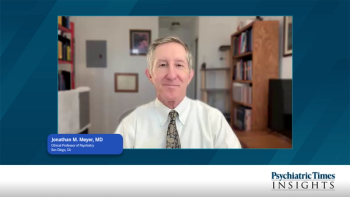
Summarizing key messages and reinforce the value of TDM in improving patient outcomes.
Summarizing key messages and reinforce the value of TDM in improving patient outcomes.

Mark Ruffalo introduces the PRiSM diagnostic tool, enhancing diagnosis clarity by bridging categorical and dimensional approaches in psychopathology.

"Sometimes as an antidote To fear of death, I eat the stars..."

Learn more about the transformative potential of psychedelics in treating depression and mood disorders through expert insights and groundbreaking research.

It is a heroic challenge to go against power, shares H. Steven Moffic, MD.

Experts discuss the significant impact of tardive dyskinesia, emphasizing the need for better recognition and treatment strategies in patient care.
What is the neuroplasticity hypothesis and why is it more important now than ever?

Discover insights on bipolar disorder diagnosis and treatment challenges, emphasizing the importance of accurate assessment for effective care.

The language clinicians use while talking to postpartum patients is critical. Learn more on best practices in treating this unique patient population.
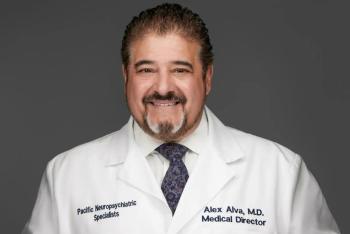
Alejandro Alva, MD, offers insights on the use of prescription digital therapeutics for substance use disorders at the Southern Florida Psychiatry Conference.
Exploring how rapid testing technologies can change clinical practice and challenge assumptions about the “gold standard.”

Explore the challenges and potential of substance use reduction apps, highlighting the need for evidence-based practices and consumer awareness.
Conferences: the perfect networking opportunity.
Long-acting injectables enhance stability and adherence in patients with psychosis, improving long-term outcomes and quality of life, shares Erin Crown, MHS, PA-C, Psych-CAQ.
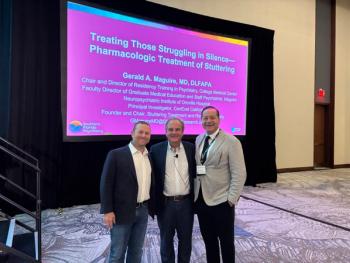
Gerald A. Maguire, MD highlights the need for psychiatric awareness and treatment of stuttering at the 2025 Southern Florida Psychiatry Conference.
Shulamit Bossewitch discussed nonpharmacological support for postpartum depression at the 2025 Southern Florida Psychiatry Conference.
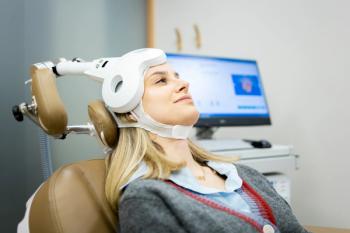
Explore the transformative role of TMS in treating depression, its innovative protocols, and future advancements in psychiatric care.
How can the glutamate model overcome challenges in treating major depressive disorder?
What novel treatments can be game changers for major depressive disorder?
Presenters at the Southern Florida Psychiatry Conference shared how prescription digital therapeutics can greatly improve patient outcomes.

"Give us this day our dividends in cash and fixed stock options as we outperform all coders against us..."

Welcome to Day 1 of So Flo Psychiatry!
Reviewing TDM’s evidence-based rationale, its clinical utility, and connection to outcomes.

Let's make time for kindness...

Seena Fazel, MD, reviews the growth and challenges of suicide risk-prediction models, emphasizing the need for rigorous validation and clinical integration.

"I read your poetry like a hiker on a treacherous trail who finally stops to rest and drink and admire the view of snow-capped peaks..."
Introduction setting the stage for why TDM of clozapine is a critical issue in modern psychiatry.

Should psychiatrists' ethical priority to try to improve mental health take priority over a strict interpretation of the Goldwater Rule during turbulent times?

Discover effective strategies for identifying and treating high-functioning addiction in patients while maintaining their daily responsibilities.

Explore how music transforms trauma into healing as Brooke Richie shares her journey and innovative initiatives in this insightful episode.