

"They should have known better than to shovel snow at their age..."
"They should have known better than to shovel snow at their age..."

Sports betting apps fuel dopamine-driven gambling addiction.

How ketamine sparks a glutamate-driven BDNF burst, reshaping prefrontal connectivity in depression and revealing the glutamate–GABA partnership.

Collaboration between psychiatric and religious leaders: could it help global relations?

JAMA study tracks young adults’ phones: a one-week social media detox cuts depression, anxiety and insomnia—especially for problematic users.
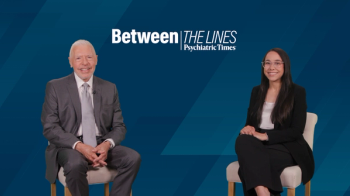

"All species have a notion of emptiness, and yet the flowers don't quit opening..."

Psychedelic therapy shows promise for treating PTSD, with recent studies indicating safety and efficacy.

H. Steven Moffic, MD, urges the field to act as “upstanders” on war trauma, anti-Semitism, elections, and climate change—moving beyond bystanding to public mental health impact.

Research reveals that individuals with preexisting mental illnesses face a significantly higher risk of developing long COVID, emphasizing the need for targeted support.

Explore the potential of LSD as a groundbreaking treatment for anxiety and depression.

"What we did to the trees, what we did to the earth, we did to our sons, to our daughters..."
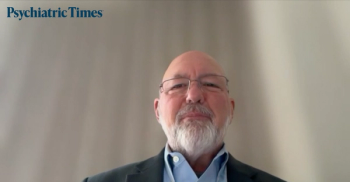
In response to the APA’s roadmap for the future DSM, John J. Miller, MD, examines how its rigid diagnostic categories may limit clinicians’ ability to deliver care.

It's been a year since the inauguration... where are we now?

Explore the complexities of psychopharmacology in treating personality disorders, focusing on symptom management and the importance of therapeutic alliances.

Discover how to transform pressure into a privilege in clinical practice, fostering resilience and embracing challenges for personal and professional growth.

"They bicker gently, lovingly. A car outside gives a long honk. The leaves are on the cusp of changing..."
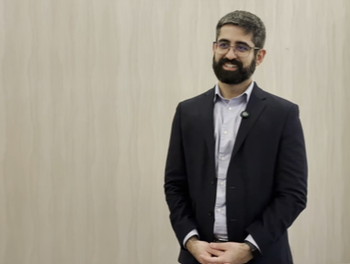
Douglas Leffa, MD, PhD, shares highlights from a poster at the APSARD conference examining severity and age of diagnosis.

H. Steven Moffic, MD, reflects on Martin Luther King Jr's legacy, addressing mental health challenges and envisioning a future of hope and unity.
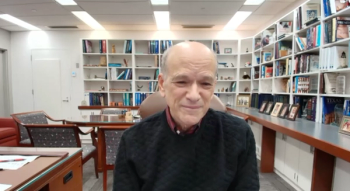
Eric Nestler, MD, PhD, reflects on his research and new role as dean of the Icahn School of Medicine.
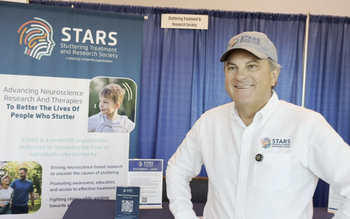
Gerald Maguire, MD, discusses the unmet needs of patients with comorbid ADHD and stuttering.

Tim Wilens, MD, discussed mechanism of action and efficacy of new medications at APSARD Conference.
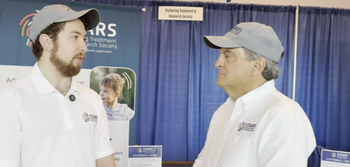
From APSARD 2026, a patient journey demonstrates opportunities in psychiatric education on stuttering and emerging treatment approaches.
Timothy Wilens, MD, shares highlights and clinical implications for ADHD from the APSARD Annual Conference.

Allison Baker, MD, shared insights on supporting women before, during, and after pregnancy at the APSARD conference.
Benjamin E. Yerys, PhD, shares clinical insights on the impact of the comorbidity at the APSARD Conference.

"...February sky a grey body bag, the Berkshires’ stark catalog of snow-covered maples and oaks standing solemn and silent and cold..."

Poster discusses evidence-based strategies for managing adult ADHD, including medication guidelines and considerations for comorbid conditions.

Poster presented at the APSARD Annual Conference demonstrates the importance of genetic testing in ADHD.

Cobenfy's innovative approach to treating schizophrenia marks a significant shift in psychiatric care.