

Alto Neuroscience pioneers drug development for cognitive impairment in schizophrenia, targeting biomarkers to enhance treatment precision and patient outcomes.
Alto Neuroscience pioneers drug development for cognitive impairment in schizophrenia, targeting biomarkers to enhance treatment precision and patient outcomes.

Explore the intersection of psychiatry and the US Constitution, examining progress and ongoing challenges in mental health and societal well-being.

Because stuttering represents a spectrum disorder, a spectrum of treatments are needed.

What is the role of GLP-1 agonists in psychiatry? Joseph F. Goldberg, MD, and Roger S. McIntyre, MD, FRCPC, share their thoughts.

Shahriar SheikhBahaei, PhD, discusses how animal models may lead to better treatments.

Shahriar SheikhBahaei, PhD, shares insights into the neurobiology of stuttering at STARS conference.

Discover how nutrition plays a crucial role in managing bipolar disorder, emphasizing individualized dietary strategies for mood stabilization.

Discover how blarcamesine, a novel therapy for Alzheimer disease, shows promise in preventing cognitive decline and enhancing patient quality of life.


"This can still happen anywhere. Not everything is lost."
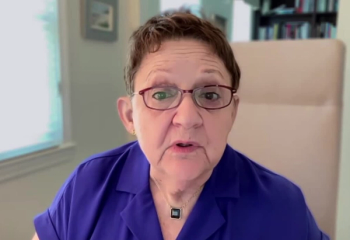
Susan Noonan, MD, discusses emerging research on the potential role of lithium deficiency in Alzheimer disease.

Allen Frances, MD, introduces his new weekly series for Psychiatric Times: “AI Chatbots: The Good, the Bad, and the Ugly.”

Christina Ni, MD, explores the lasting effects of 9/11 on trauma survivors, emphasizing individualized care and the importance of support networks in healing.

September: the beginning of the season of change.

Thomas Priolo, MD, offers essential strategies for supporting students' mental health during the college transition, emphasizing proactive communication and telehealth options.

"What they taught in school was not what we needed, and what we needed (they said) could not be conveyed..."

H. Steven Moffic, MD, explores the psychological themes in "The Red Violin" and highlights the resilience of Holocaust survivors this Labor Day.

"childhood remembrances are always a drag if you’re Black..."
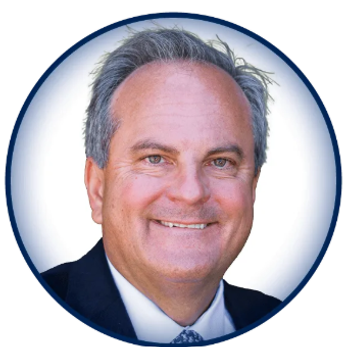

H. Steven Moffic, MD, explores the impact of moral injuries on psychiatrist burnout, emphasizing the need for healing and support in the profession.

Thomas Priolo, MD discusses strategies to manage back-to-school changes in child and adolescent psychiatric care.

Panelists discuss how successful implementation of xanomeline/trospium chloride requires understanding its unique mechanism of action, providing proper patient education about dosing requirements, starting with slow titration, and recognizing it as an early treatment option rather than a last resort.

"I found him on the porch that morning, sipping cold coffee, watching a crow..."

Experts discuss that Postpartum Support International is an invaluable resource offering education, training, and support to clinicians and families, while emphasizing the importance of strong local specialist networks for warm handoffs and streamlined referrals; combined with routine, repeated screening and proactive follow-up, these practices help reduce stigma and improve timely, compassionate care for perinatal mood disorders throughout pregnancy and postpartum.
Experts discuss that recent FDA-approved treatments like zuranolone offer rapid relief for postpartum depression, transforming care by enabling shorter, more effective pharmacologic courses; combined with tailored medication strategies, psychotherapy, and practical support around sleep and feeding, these advances promote comprehensive, individualized management that addresses both clinical symptoms and everyday challenges faced by new mothers
Experts discuss that limited access to qualified prescribers, particularly in underserved areas, remains a major barrier to timely pharmacologic treatment for perinatal mental health, underscoring the need for collaborative care models that combine thoughtful assessment, supportive interventions like sleep and therapy, and ongoing follow-up to ensure individualized, effective management.

Can we integrate politics, religion, and psychiatry for a better society?

Clinician's can use the new international guidelines for schizophrenia treatment to solidify treatment decisions and improve patient outcomes.
Panelists discuss how best practices involve starting with lower doses in older patients, considering long-term tolerability over acute symptom control, and potentially using xanomeline/trospium chloride as first-line treatment even for treatment-naive patients presenting with acute psychosis.
Panelists discuss how Lila’s late-onset schizophrenia at age 52 raises diagnostic concerns requiring thorough medical workup, and how her response to olanzapine with sedation and shakiness suggests the need for dose reduction or consideration of alternative treatments such as xanomeline/trospium chloride.