

The social climate for physician well-being has worsened. Will this lead to increased retirements? Will this further escalate the situation?
The social climate for physician well-being has worsened. Will this lead to increased retirements? Will this further escalate the situation?

Panelists discuss how a patient named Kerstin was diagnosed with attention-deficity/hyperactivity disorder (ADHD) later in life during college when she struggled with organization and scheduling beyond her known dyslexia, leading to successful treatment with various stimulant medications including participation in clinical trials.
Panelists discuss how stimulant and nonstimulant attention-deficity/hyperactivity disorder (ADHD) medications have different adverse effect profiles, with stimulants causing concerns such as misuse potential, cardiovascular effects, tics, and growth suppression.

Debate over using SSRIs in pregnancy in recent FDA focus group raises questions, despite extensive research supporting SSRI use for maternal mental health.

There is no magical cure for PTSD... but in what areas can we improve treatment outcomes and real-world functioning for patients with PTSD?

Panelists discuss a woman aged 26 years with narcolepsy type 2 whose modafinil is ineffective and causes adverse effects, highlighting solriamfetol and oxybates as treatment options while emphasizing personalized care that integrates medication with lifestyle and behavioral strategies.
Panelists discuss the multifaceted barriers to medication adherence in narcolepsy, highlighting access issues, forgetfulness, mood disorders, and adverse effects, while emphasizing practical tools like habit-stacking, sleep logs, and routine reinforcement to support consistency and reframe treatment as a lifelong support rather than a temporary fix.
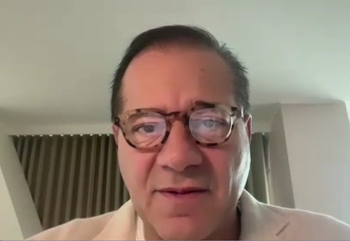
Gus Alva, MD, discusses the FDA committee vote on brexpiprazole for PTSD, what it means, and what's next.

A trio of practitioners react to the FDA advisory committee's 10-1 vote against recommending approval of brexpiprazole (Rexulti) adjunctive to sertraline for adults with PTSD.

"Just like moons and like suns, With the certainty of tides, Just like hopes springing high, Still I'll rise..."
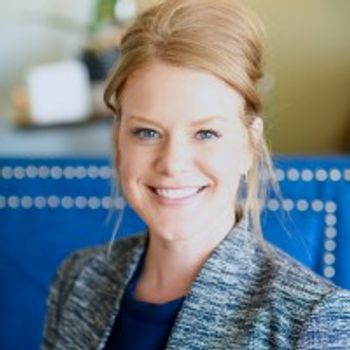
Rebecca Barbee, PA-C, CAQ-Psych, shares insights ahead of the the FDA meeting discussing brexpiprazole for PTSD.

The climate crisis has worsened... What can psychiatry do to help?
Panelists discuss how a 17-year-old patient’s challenges with inattention, anxiety, and executive dysfunction ahead of college highlight the importance of balancing pharmacologic and nonpharmacologic attention-deficity/hyperactivity disorder (ADHD) treatments. They address concerns about stimulant use and medication diversion.
Panelists discuss how treatment adherence in patients with attention-deficity/hyperactivity disorder (ADHD) is often impacted by forgetfulness and misconceptions and how using tools such as pill organizers can significantly improve consistency and outcomes.
Panelists discuss the importance of setting realistic expectations when initiating pitolisant for narcolepsy, emphasizing consistent daily use, gradual titration, and patient-centered measures of success, while accounting for external stressors, lifestyle factors, and the need for occupational accommodations to support long-term functional outcomes.
Panelists discuss how behavioral strategies—including structured sleep routines, scheduled naps, dietary adjustments, light therapy, and cognitive behavioral support—are essential components of comprehensive narcolepsy management, reinforcing that individualized, nonpharmacologic interventions can significantly improve daily function and long-term outcomes.

Clinicians explore the potential of xanomeline-trospium for schizophrenia, emphasizing cautious evaluation and management of side effects for optimal patient outcomes.

Discover groundbreaking schizophrenia treatments using the muscarinic pathway, offering efficacy without common side effects of traditional antipsychotics.

Gerald Maguire, MD, shares insights on agitation in Alzheimer disease at the Southern California Psychiatry Conference.

Dr Jonathan Meyer highlights effective VMAT 2 inhibitors for tardive dyskinesia treatment, emphasizing tailored approaches for improved patient outcomes.

Innovative approaches enhance understanding of tardive dyskinesia's impact on patients' lives, shifting focus from detection to functional well-being.


Clinician discusses the importance of maximizing medication doses and trial periods for effectively managing tardive dyskinesia at the Southern California Psychiatry Conference.
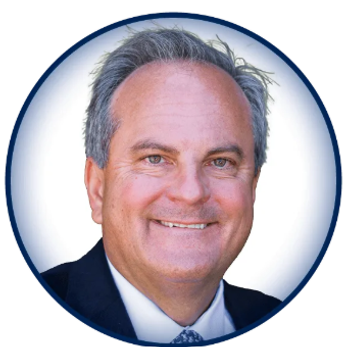
Maguire discussed the differential diagnosis of bipolar depression at the Southern California Psychiatry Conference.

Deb York, PMHNP-BC, sheds light on postpartum psychiatry at the conference.

The Chair of the Southern California Psychiatry Conference offers his favorite take home points on schizophrenia and M1-M4 agonists that can be found in the initial sessions.

"Fifteen seconds, thirty, a minute of silence, sweat weeps from the intern’s forehead..."

Are you ready for new reading recommendations related to psychiatry?
Panelists discuss how viloxazine fits into both pediatric and adult attention-deficity/hyperactivity disorder (ADHD) treatment plans, especially as a nonstimulant option for patients with complex cases or concerns about stimulant adverse effects, while emphasizing flexible dosing and caregiver involvement.