How to interpret antipsychotic drug levels in schizophrenia: when labs mislead, when levels help adherence and toxicity checks, and why serial monitoring matters.
Clinicians learn how to assess and treat sexual dysfunction in depression, menopause, and psych meds—plus drug options that preserve desire and arousal.
BRAIN TRUST: CONVERSATIONS IN PSYCHOPHARMACOLOGY
Series Editor Joseph F. Goldberg, MD
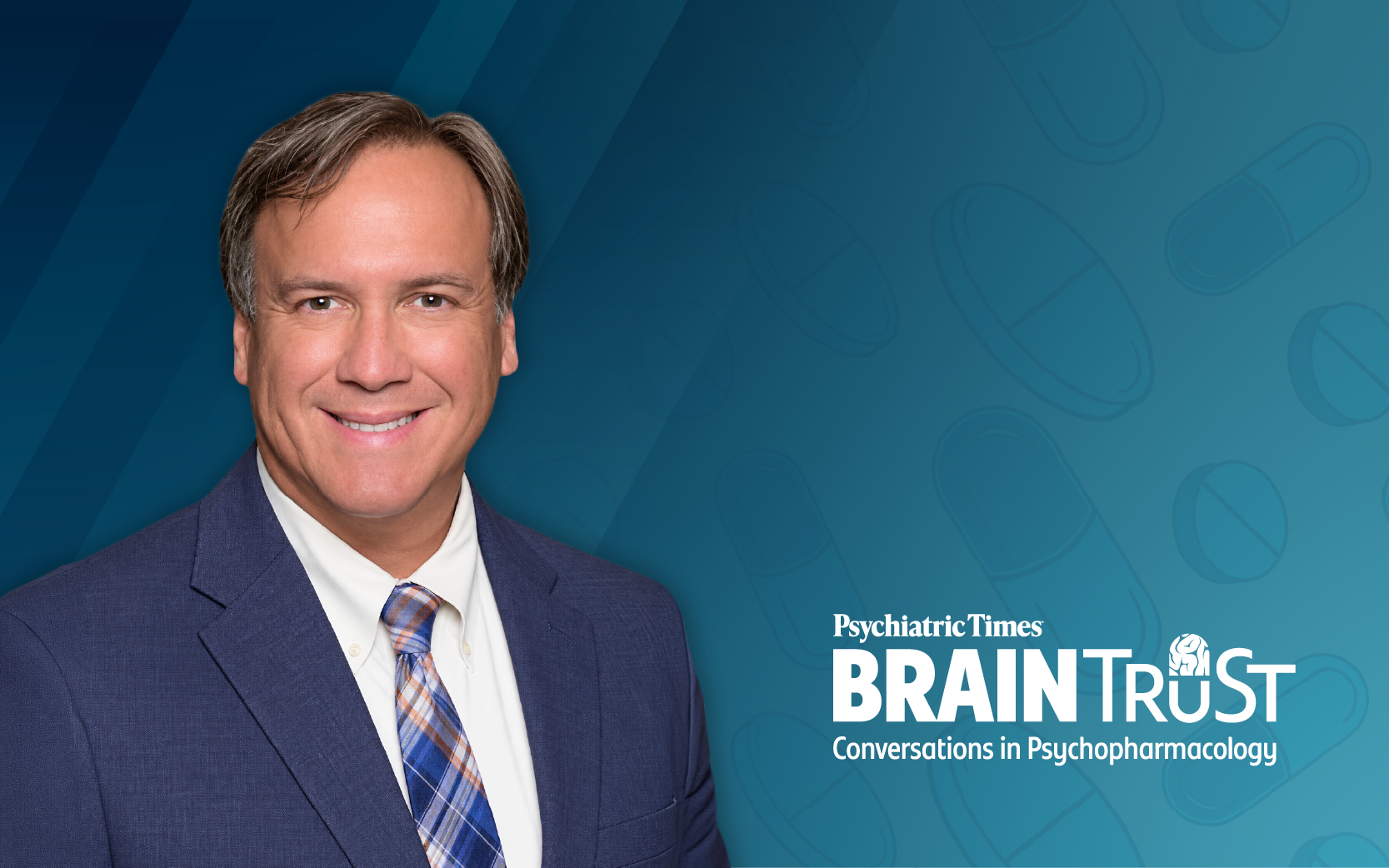
Joseph F. Goldberg, MD, in this installment of "Brain Trust: Conversations in Psychopharmacology," sits down with Anita H. Clayton, MD, to discuss the assessment and management of sexual dysfunction in psychiatric practice. Clayton noted that only about 1% of people identify as asexual, yet stigma keeps most patients from raising the topic unprompted—a survey found roughly 75% of patients avoided discussing sex out of concern it would bother their provider. She recommended folding sexual function into routine lifestyle-based assessment alongside diet and exercise questions, tracking changes over time. Perimenopausal and postmenopausal women are a growing focus, as genitourinary syndrome of menopause contributes to vaginal dryness and diminished desire, arousal, and orgasmic function. Hypoactive sexual desire disorder affects approximately 10% of women, and DSM-5 merged it with arousal disorder into sexual interest/arousal disorder. "It's important to realize that about 70% of people who present with a major depressive episode have, at baseline before treatment, sexual dysfunction of some sort," Clayton said.
Serotonergic antidepressants can further impair function, while norepinephrine and dopamine drive excitatory processes in desire and arousal. Prolactin-sparing atypical antipsychotics such as aripiprazole and brexpiprazole still carry markedly less risk, and lumateperone has shown improved sexual function in recently presented trial data.¹ Among antidepressants, bupropion, mirtazapine, vortioxetine, and vilazodone carry favorable sexual side-effect profiles; Clayton cited research found vortioxetine statistically superior to escitalopram on this measure.²
On bupropion dosing, Clayton was direct: "There were some studies of adding bupropion at 150 milligrams per day, and it wasn't effective—you really have to get to 300 milligrams a day." Flibanserin, a 5-HT1A agonist and 5-HT2A antagonist, is now approved for premenopausal and postmenopausal women with HSDD and produces meaningful improvement in about half of patients. Bremelanotide, a melanocortin-system agonist dosed by injection before sexual activity, causes nausea in roughly 40% of patients. Gepirone, newly approved, appears at least comparable to placebo on sexual function, with QT monitoring recommended. Low-dose sildenafil can help arousal-related dysfunction in women, and testosterone should be checked in men over 45 with treatment-resistant depression. Clayton advised clinicians to evaluate any candidate medication's effects on prolactin, serotonin 2A, and serotonin 1A receptors when weighing sexual side-effect risk.
Dr Goldberg is a clinical professor of psychiatry at The Icahn School of Medicine at Mount Sinai in New York, NY and the immediate-past president of the American Society of Clinical Psychopharmacology.
Dr Clayton is chair of psychiatry and neurobehavioral sciences and professor of clinical obstetrics and gynecology at the University of Virginia. She is also current president of the American Society for Clinical Psychopharmacology.
References
1. Kuntz L. New ECNP poster data on adjunctive lumateperone for major depressive disorder. Psychiatric Times. October 10, 2025.
2. Jacobsen PL, Mahableshwarkar AR, Chen Y, et al.