Ketamine or esketamine during C-section anesthesia lowers early postpartum depression symptom scores in trials, hinting at a new prevention approach under study.
Perimenopause triggers mood and cognitive shifts that can mimic or worsen serious mental illness; learn symptom clues, estrogen’s role, and why coordinated care matters.
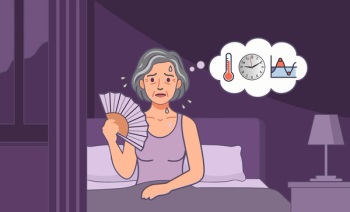
Becky Barbee, PA-C, CAQ-Psych, described perimenopause as a period of psychiatric vulnerability that mattered when treating serious mental illness. Persistent misinformation, including the assumption that perimenopause involved only hot flashes or changes in menstrual frequency, complicated recognition for clinicians. In reality, women could experience dozens of symptoms, many of which overlapped with psychiatric illness: irritability, sleep changes, mood changes, brain fog, and forgetfulness, Barbee highlighted.¹ Women with a history of hormonally related mood changes, such as premenstrual dysphoria or postpartum symptoms, were more likely to experience new-onset or worsening depression in perimenopause and menopause.
Fluctuations in estrogen often produced these symptoms, and because estrogen played key roles in serotonin, norepinephrine, and dopamine activity, such fluctuations could affect mood and serious mental illness, including schizophrenia and bipolar disorder. Hot flashes, night sweats, and frequent awakenings disrupted sleep, which could worsen depression, anxiety, bipolar disorder, and schizophrenia.
A full history, including changes in menstrual cycle and other perimenopausal symptoms, was essential, Barbee said. Psychiatric and women’s health clinicians often worked in silos, so each specialty should be more conscious of collaboration with the other’s expertise. For patients with attention-deficit/hyperactivity disorder (ADHD), loss of treatment response during this window was an example. Barbee said, “If someone has a history, say, of ADHD, and they’re in that perimenopausal window, and all of a sudden their ADHD treatment is no longer working, making changes to the ADHD treatment may not result in any benefit.”
No specific guideline or threshold existed for hormone replacement in menopause, Barbee noted; symptoms that negatively affected functioning or daily living warranted a conversation with a clinician specializing in hormone replacement. Ideally, 1 variable changes at a time, she said: “If someone has recently started or stopped hormone replacement therapy, we may do some extra monitoring or potentially pause on making medication changes until we can fully assess the impact of the most recent change.” Misinformation about candidacy for hormone replacement therapy remained a major gap, and patients who felt dismissed were encouraged to raise concerns again or obtain a second opinion. Treatment options existed, and psychiatric treatment sometimes required adjustment during the transition.²
Ms Barbee is a psychiatric physician associate in Charlotte, North Carolina.
References
1. Maki PM, Kornstein SG, Joffe H, et al.
2. Gordon JL, Rubinow DR, Eisenlohr-Moul TA, et al.