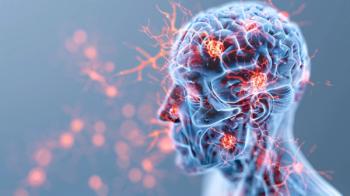
UK AD-SMART platform trial speeds Alzheimer disease treatment discovery by testing multiple repurposed drugs at once across NHS sites, aiming to protect memory and quality of life.
How genes and early stress interact to shape antisocial behavior, from dopamine and serotonin pathways to MAOA and oxytocin findings.
Antisocial behavior emerges from a complex interplay of biological vulnerability and environmental experience rather than from any single causal pathway. As discussed in the first chapter, prenatal exposures, adverse childhood experiences, and other early environmental stressors may influence neurodevelopment and increase vulnerability to later antisocial behavior. Yet these exposures do not affect all individuals equally. Genetic differences may help explain why some individuals are more susceptible to environmental influences than others, underscoring the importance of examining nature and nurture not as competing explanations, but as interacting contributors to antisocial behavior.
For example, children may differ in their susceptibility to developing antisocial behaviors because of their genetic makeup. Twin data suggests that a common set of genetic risks are associated with certain disorders reflecting antisocial behavior, including conduct disorder, antisocial personality disorder, and substance use disorders.1 In fact, behavioral genetics studies further indicate that about 40 to 60% of the variance in criminal behavior is due to genetic influences.2 Analyses suggest that persistent delinquency has about 67% heritability, while aggressive behavior has moderate heritability at 39 to 46%.3 One hypothesis posits that this genetic variation may lead to early neural structure dysfunction and impaired learning of stimulus-punishment associations.4 Specifically, variations in dopaminergic, serotonergic, and oxytocin-related genes have been associated with antisocial behaviors, especially in those with a history of childhood maltreatment.5 Table 2 outlines established associations between various neurotransmitters and antisocial behavior.
Dopamine is one of the neurotransmitters suspected of contributing to antisocial behaviors, though its specific role is currently unknown. A study of male youth with behavioral problems whose biological fathers had a history of substance use demonstrated significantly higher levels of homovanillic acid (HVA), a dopaminergic metabolite, in their blood than their peers whose fathers did not have such history.6 While previous studies have demonstrated that prenatal maternal anxiety and depression increase the risk of aggressive behaviors, one study found prenatal maternal stress was demonstrated to predict childhood antisocial outcome only in carriers of the DRD4 7-repeat (7R) allele.7 DRD4 belongs to the D2 dopamine family and manufactures the D4 dopamine receptor protein found in areas of the brain responsible for the expression of emotions, regulation of attention processes, and motivation.8 A DRD4 polymorphism consisting of a 7R allele has emerged as a candidate gene for the expression of antisocial behaviors because of the resulting proteins’ blunted intracellular response to dopamine.8 The A-1 allele of the DRD2 gene is another allele believed to increase the risk of antisocial phenotypes, as studies have demonstrated that carriers of this allele have fewer brain D2 dopamine receptors and reduced dopaminergic activity in the central nervous system.8 Additionally, Martens found that dopamine receptor DRD2 and DRD4 polymorphisms were individually associated with sensation-seeking behavior.9 Environmental risk factors may also affect the expression of these polymorphisms; for example, DRD2 and DRD4 genes may also function as predictors of violent behavior when young individuals live in more disadvantaged environments.8 Overall studies of the individual effects of DRD2 and DRD4, however, have had inconsistent results on antisocial phenotypes, but interactions between these polymorphisms have shown a stronger association with the development of conduct disorder and adult antisocial behavior in males, suggesting a gene-gene interaction.9
Serotonergic genes have also gained attention in the literature for possible contributions to antisocial behaviors. In animal models, reduced activity in the serotonergic system is associated with increased attacks on nonvulnerable targets.10 In humans, impulsivity and aggression have been associated with a decrease in serotonin (5-hydroxytryptamine, 5-HT) activity, particularly in those with high aggression and low impulse control.11 Additionally, levels of 5-hydroxyindoleacetic acid (5-HIAA), a breakdown product of serotonin, in the CSF of neurologically normal newborns were significantly lower in infants with family histories of antisocial personality disorder than in the newborns without family histories.9 A study also found that increased CSF concentration of HVA in combination with a low CSF concentration of 5-HIAA correlated with all aspects of psychopathy.12
Specific serotonergic genes are being investigated to elucidate a mechanism for the relationship between serotonin and aggression. The 5-HTTLPR polymorphism of the SLC6A4 (serotonin transporter gene) has 2 common alleles, designated as short (S) and long (L) alleles.13 In 1998, Sanders suggested that the S allele polymorphism confers susceptibility to a temperamental profile of high sensation seeking and low harm avoidance.14 The S allele has been associated with an increased risk of early onset alcohol use disorder, ASPD, and habitually violent behavior.15 Convicts with S/S or S/L genotypes have been found to have higher rates of antisocial behaviors.13 In a study of adoptees, it was demonstrated that male individuals with the S variant were more likely to have symptoms for conduct disorder or aggression.16 The expression of these alleles may also be affected by environmental influences. A study that examined the relationship between ASPD and SLC6A4 polymorphisms in young adults with low income reported those with S allele were more sensitive to ASPD.17 Additionally, the L and S allele have demonstrated different responsivity based on environmental factors and may predispose to different types of aggression. The L allele is linked with hyporesponsivity, predisposing to instrumental aggression, while the S allele is linked with hyperresponsivity, predisposing to reactive aggression.18 Overall however, 5-HTTLPR polymorphisms have had inconsistent findings in the literature, especially among different ethnic populations. A study of African-American individuals with cocaine dependence showed no association between the 5-HTTLPR polymorphism and impulsive-aggressive traits.19 In a study conducted by Japanese researchers, no evidence was found to support the relationship with the S/S genotype in individuals who exhibited antisocial behavior and severe problems with alcohol use.20 In a study conducted with a Turkish sample, ASPD was associated with lower SLC6A4 gene expression levels but not with 5-HTTLPR polymorphisms.21 Additionally, another polymorphism of SLC6A4, 5-HTTVNTR, is associated with impulsivity and aggression.22 Therefore, gene-gene interactions may contribute to the SLC6A4 variability in ASPD. Differing results from different ethnic populations also suggests that genetic variability and epigenetic changes may produce different neurobiological pathways with variable relationships to antisocial behaviors.
TPH1 also regulates the synthesis of serotonin by encoding the rate-limiting enzyme in the serotonin pathway.23,24 As a result, variations in the TPH1 gene may predispose individuals to low serotonergic states. Genetic variation in TPH1 has been associated with individual differences in levels of aggression.24,25 In a study with a sample of men and women, individual differences in aggressive disposition were associated with a polymorphism (A218C) of the TPH gene.25 However, the role of TPH1 in antisocial behaviors has not been robustly replicated in the literature.
Of all the genes studied, monoamine oxidase A (MAOA) genes have ranked highest by number of occurrences and weighted ranks for aggression.26 MAOA, a mitochondrial enzyme encoded by the MAOA gene, is expressed predominantly in catecholaminergic neurons and is responsible for the degradation of a variety of biogenic amines, including the neurotransmitters dopamine, norepinephrine, and serotonin.27 The expression of MAOA is highly abundant in the cerebral cortex, brainstem monoaminergic nuclei, hypothalamus, amygdala, and nucleus accumbens, with imaging studies validating that MAOA activity in most brain regions is negatively correlated with aggression.26,27 Involvement of MAOA in antisocial behavior came with the description of Brunner syndrome, an X-linked recessive syndrome characterized by a nonsense mutation of the MAOA gene (rs72554632) in which patients tend to exhibit highly violent behavior.26 In accordance with brain imaging studies, low levels of MAOA enzymatic activity with this variant is associated with increased risk for violent behavior in carriers of the mutation.7,26 Several studies have documented that in male adolescents and adults, the MAOA-L alleles of the uVNTR polymorphism are inherently associated with a greater propensity for antisocial behavior, psychopathy, and criminal violence.26 Additionally, external factors may exacerbate the already detrimental effects of this mutation. A meta-analysis demonstrated an association between child maltreatment and mental health problems was significantly stronger in males who had the low activity MAOA genotype, and hormonal influences may also affect this gene.28 A study with male criminals with alcohol use disorder demonstrated that a combination of high levels of CSF testosterone and a low activity MAOA genotype were significantly predictive of antisocial behavior and aggression in men.10
Some emerging evidence suggests that the neuropeptide oxytocin (OXT) may also play a role in modulating aggressive behaviors.29 Abnormal OXT levels have been found in patients with ADHD, conduct disorder, and psychopathy, but the results have demonstrated inconsistent patterns across studies.30 Childhood experiences and epigenetics can alter oxytocin receptor (OXTR) expression in adulthood leading to impairments in behavior, and higher methylation of OXTR has been associated with higher callous-unemotional traits in adolescents with conduct problems.29,30 Studies have also found interaction effects between OXTR polymorphisms and stressful life events on delinquent behavior in adolescents. A longitudinal study with male and female adolescents found that gene-based tests yielded no main effect of OXTR, but revealed a significant gene-environment interaction between OXTR polymorphisms and perceived deviant peer affiliation in proactive aggression and delinquency.30 A recent study found increased conduct problems in a sample of adolescents with OXTR polymorphism rs53576 G who experienced an environment with high levels of maternal depression.31 Additionally, there has been some association between genetic variation in the OXTR and antisocial behaviors. In a study of children with disruptive disorders that studied single nucleotide polymorphisms of the OXT gene and OXTR, the C allele of rs1042778 as well as the haplotypes CG of rs1042778 and rs6770632, and CT of rs1042778 and rs53576 were more prevalent in aggressive boys, whereas the A allele for rs6770632 was more prevalent in aggressive girls.32 Overall, the literature does not strongly support nor rule out the effect of OXTR on antisocial behaviors. Its effect may not be direct, but rather a combination of epigenetic and polymorphic influences.
Despite promising findings in the literature, a meta-analysis investigating the connection between aggression and polymorphisms demonstrated that there are no clear cut associations between single genes and antisocial behaviors.33 Additionally, Scarr’s average and expectable environments hypothesis posits that when environments are not of“average expectable” conditions, genetic expression is impacted, leading to effects later in life.25,34 In an adopted study of petty criminality, individuals with environmental risk factors had a 6% chance of becoming repeat offenders while those with genetic risk factors had a 12% chance.35 In contrast, those with both genetic and environmental risk factors had a 40% chance of becoming repeat criminal offenders.35 Therefore, genetic factors in isolation may not be sufficient to explain pathological behavior. Genetic factors might confer vulnerability and in combination with other pathologic polymorphisms and environmental conditions may contribute to an individual's development of antisocial behaviors.
Dr Vyas is a first-year psychiatry resident at the Mount Sinai Hospital, New York, NY, USA.
Dr Maristany is a first-year psychiatry resident at University of Miami/Jackson Health System, Miami, FL, USA.
Dr Cruz is a third-year psychiatry resident at UCF COM/HCA Healthcare GME Psychiatry Residency Program of Greater Orlando in Orlando, FL, USA.
Dr Sa is a first-year dermatology resident at SUNY Downstate Health Sciences University, Brooklyn, NY, USA.
Dr Copper is a first-year psychiatry resident at University of Miami/Jackson Health System, Miami, FL, USA.
Dr Oldak is a consult-liaison psychiatry attending at Beth Israel Deaconess Medical Center and instructor in psychiatry at Harvard Medical School in Boston, MA, USA.
References