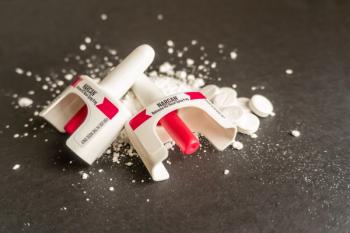
Oveporexton (Orzeyful) is now available in the US by prescription for the treatment of narcolepsy type 1.
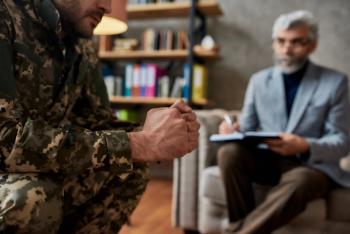
Measuring the therapeutic alliance with predictive analytics, along with provider self-efficacy and the social bond, shapes how patients approach treatment goals.
The therapeutic alliance was best defined operationally, using well-validated measures and assessments, Loren Martin, PhD, proposed. A tool developed by Martin and colleagues drew on data modeling and predictive analytics to measure and predict the alliance, and the data it captured were intended to support a next phase of research on pairing new care providers with clients. Self-efficacy—confidence in what one is doing, along with the projection of that confidence within the relationship—was an important predictive factor, as were honesty, trustworthiness, and empathy. These were the same traits that built trust in any relationship, and the same proved true for the therapeutic alliance.
Self-efficacy mattered because perceived uncertainty from a care provider damaged the relationship quickly. “If you’re working with someone and they seem unsure or uncertain in what they’re doing, then your confidence in them erodes, your trust in them erodes, and you can see right away that it starts to cause problems within that relationship,” Martin said. Confidence in a care provider and trust in that provider therefore declined together, and the effect was visible almost immediately. Projecting confidence and self-assurance was important to establishing the alliance.
Social neuroscience findings supported this emphasis on the relationship, according to Martin, who noted that the evidence base should extend beyond clinical research to include cognitive and neuroscientific findings from the past few decades. A strong social bond with another person alleviated pain and changed how individuals viewed the challenges in front of them.¹ In treatment, that bond was the reason establishing a strong therapeutic alliance was so important.² Goals could seem very challenging at the outset, but a strong alliance reframed them as work that patients did not face alone. “Those goals might seem very, very challenging at the very outset of treatment, but with a strong social bond, now they can view that as, ‘Hey, I’m not actually going at this alone,’” Martin said. Support from family and friends added to the effect, so that the actual burden of challenges felt much lighter.
Dr Martin is vice provost of research, innovation, and partnerships and the George B. and Joy Rathmann Endowed Professor at Keck Graduate Institute, as well as an adjunct professor in the doctoral program in clinical psychology at Azusa Pacific University.
References
1. Coan JA, Schaefer HS, Davidson RJ.
2. Flückiger C, Del Re AC, Wampold BE, et al.