
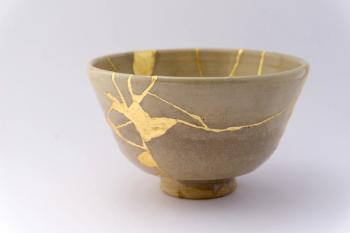
Holidays and couples therapy can remind us how precious relationships can be…
Holidays and couples therapy can remind us how precious relationships can be…
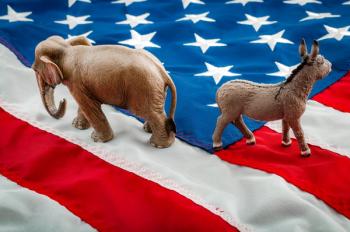
What should politicians be focusing on to improve the well-being of the country?
“In music, you have to listen to each other to create harmony. And when you apply that in society, you are a different person.”


What effect does nature have on mental health?
Mental health clinicians have the privilege to often be trusted with the darkest secrets of patients, but with the accompanying challenge to maintain their own well-being.
“Some are born great, some achieve greatness, and some have greatness thrust upon ‘em…”
How much do we learn from nonverbal cues, like Sherlock Holmes did?
Is laughter in jeopardy online?
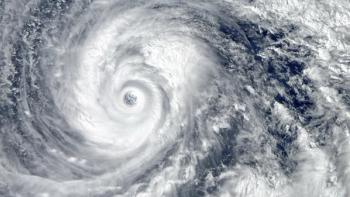
How does isolation for a typhoon compare with COVID-19 isolation?
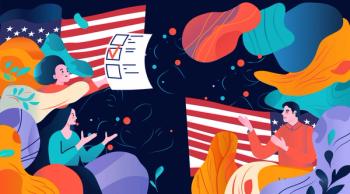
What role do social psychopathologies play in the upcoming election?
It's never appropriate for people in power to use the term "crazy."
The mention of Hannibal Lecter may increase stigmatization of mental illness and mental health care.

What psychiatric benefits come from reunions?
How does trauma, like an assassination attempt, affect someone’s mental health?
What relevance does freedom have to psychiatry?
How are current events similar to that of the 1960s?

Is managed care responsible for clinician burnout?
Highland Park is an excellent example of community recovery from mass tragedies.
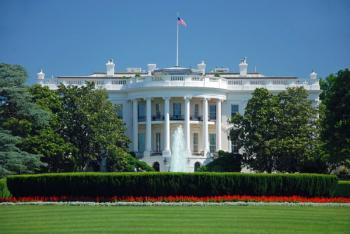
Should elected officials have mandated medical evaluations?
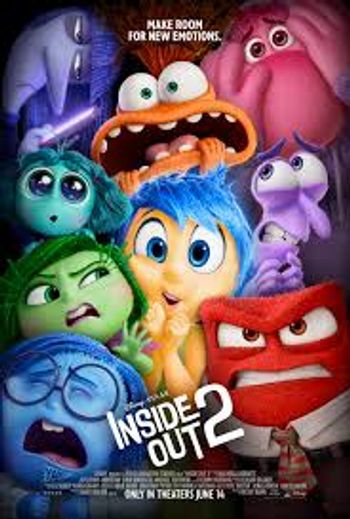
The movie “Inside Out 2”: good for mental health explorations for individuals of all ages.

What are your thoughts on the presidential debate?

H. Steven Moffic, MD, recaps his vacation and the impact it had on his state of mind.
What questions would you ask the presidential debaters?
Travel: how can it heal you?

Do we need a potential classification of social psychoexemplaries?
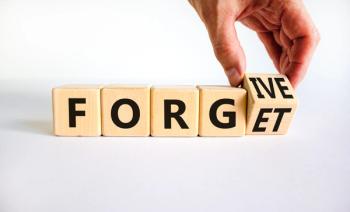
When is forgiveness not enough?

Yesterday, we celebrated Juneteenth.
Laughter: the best medicine?