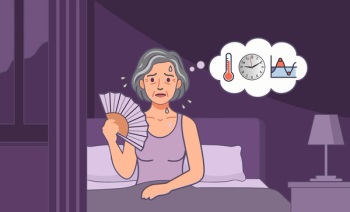
A systematic review and meta-analysis compares pharmacological agents with nonpharmacologic approaches to identify the most effective interventions for insomnia in peri- and postmenopausal women.
National survey shows most US adults don’t know AUD medications exist, and safety concerns plus racial disparities shape hesitation toward treatment.
Approximately 10% of US adults have alcohol use disorder (AUD), but a national survey found that only about one-third had heard of prescription medications for AUD, and that a meaningful minority held negative views of their use.1
Naltrexone, acamprosate, and disulfiram are the US Food and Drug Administration (FDA)–approved medications for AUD, but only 2.5% of adults with AUD receive one in a given year. Study authors also noted documented racial and ethnic disparities in who received these medications. Investigators added that most prior research on beliefs about AUD medication involved small samples of people already engaged in treatment, while this survey expanded further.2
Researchers surveyed RAND’s American Life Panel, a national probability-based sample of adults, in March and April 2026. Of 2857 invited panelists, 2009 participated (70.3% response rate; mean [SD] age, 48.8 [18.3] years). All percentages reported are weighted.1
Participants were asked whether they had heard of medications that help people reduce or stop drinking alcohol or taking opioids. They also rated their perceived appropriateness of using medication for alcohol use disorder. The primary outcome was amount of agreement that individuals with potential unhealthy alcohol use should consider medication, modeled as positive, neutral/unsure, or negative using multivariable multinomial logistic regression.1
Fewer participants had heard of medications for alcohol use (33.5%) than of medications for opioid use (49.2%). Overall, 66.5% said using medication for alcohol use disorder as part of treatment was appropriate and 16.4% said it was inappropriate. A total of 54.3% agreed that individuals with potential unhealthy alcohol use should consider medications, while 13.0% disagreed.
In adjusted models, the predicted probability of a positive attitude was lower among Black (40.5%) and Hispanic (49.7%) respondents than among White respondents (59.4%). Black respondents were also more likely than White respondents to hold negative attitudes (28.5% vs 10.4%). Hispanic respondents were more likely to be neutral or unsure (39.7%) than negative.
Respondents with household income below $100,000 were less likely than those with higher income to hold positive attitudes (48.8% vs 64.2%), a gap driven mainly by higher neutral or unsure probabilities. Adults aged 18 to 34 years were more likely to hold negative attitudes (17.5%) than older age groups (8.9%-12.0%).
Among the 792 respondents (45.8%) who were hesitant or negative, the most common reasons were concern about adverse events or safety (57.4%), the view that unhealthy alcohol use should be handled without medication (32.4%), and a preference for counseling or support groups (31.7%). Fewer than 10% cited privacy, access, or dependency concerns.
“Two-thirds of US adults were unaware of [medication for alcohol use disorder],” emphasized investigators.¹
Authors suggested the lower awareness of medication for alcohol use compared with medications for opioid use disorder may reflect public awareness campaigns and the official designation of the opioid epidemic as a public health emergency. Investigators said the more negative attitudes among Black respondents are consistent with prior literature on views of pharmacotherapy for mental and behavioral health conditions.¹
If further research supports targeting awareness and attitudes in specific populations, authors said strategies could include information on medications in primary care and pharmacy settings, public campaigns that partner with trusted community messengers, and educational material in consumer-facing digital tools. Limitations of this survey include the cross-sectional design, which does not support causal inference, and potential social desirability bias.¹
References
1. Uscher-Pines L, Busch AB, Sousa J, et al.
2. Tomlinson DC, Florimbio AR, Lee CA, et al.