Brain Trust: Carl Salzman, MD, on Benzodiazepine Mindful Prescribing, Misuse, and Dependence
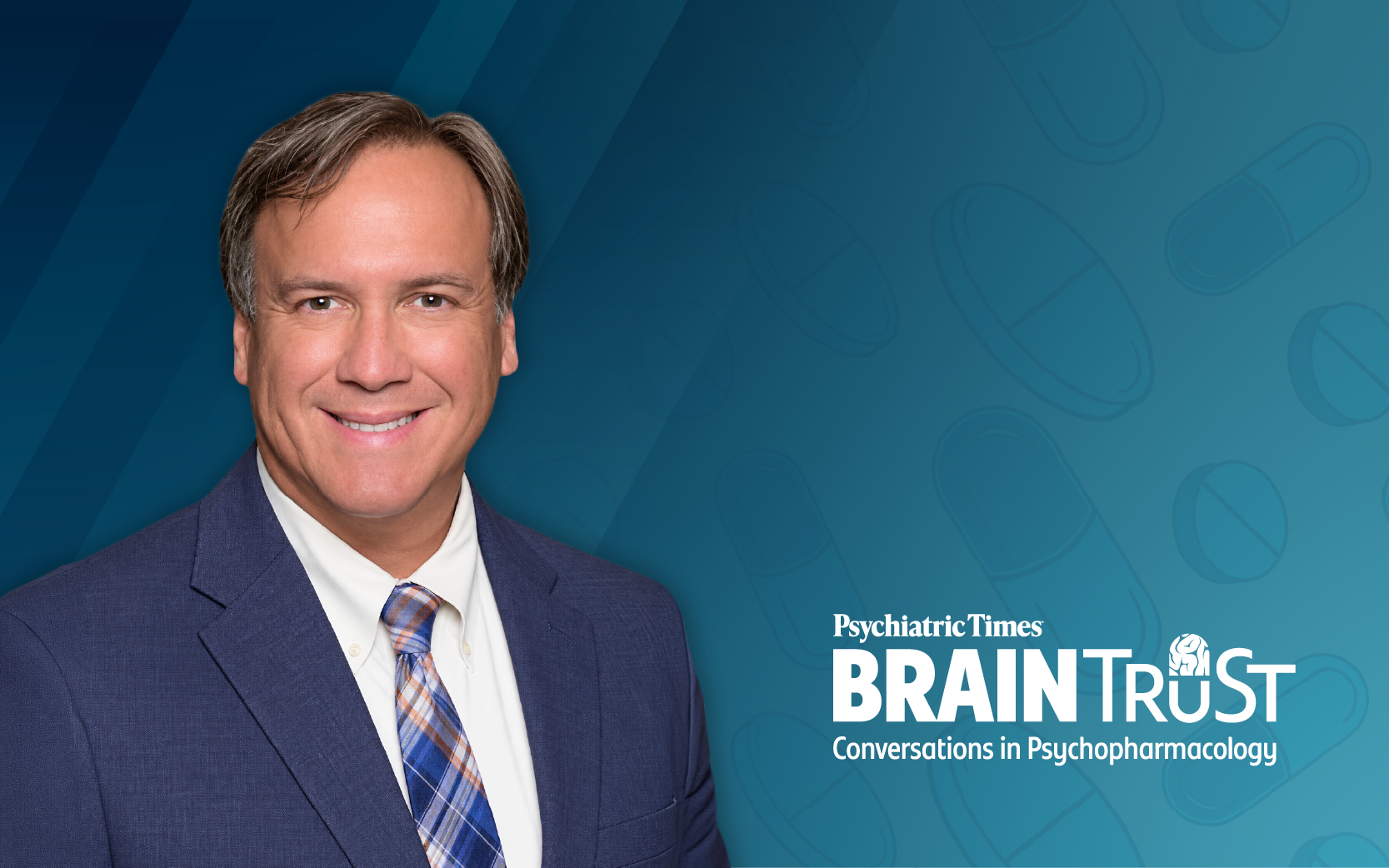
Experts unpack when benzodiazepines help or harm, tapering myths, older-adult risks, and why Alzheimer links may be overstated.
Series Editor Joseph F. Goldberg, MD
Joseph F. Goldberg, MD, in this installment of "Brain Trust: Conversations in Psychopharmacology," sits down with Carl Salzman, MD, to discuss the appropriate clinical use,
Benzodiazepines have been used since the 1960s, Salzman reviewed, and largely replaced barbiturates and meprobamate-type drugs, which carried greater toxicity. Sixty years of research established that, when appropriately prescribed, benzodiazepines were safe and effective.1 Salzman highlighted survey data which indicated roughly 10% of people had taken a benzodiazepine at least once in the past 12 months, with about 5% to 6% using them regularly on prescription; unprescribed use—often for occasional sleep or travel anxiety—was common even among physicians, with no clear evidence it led to addiction.2 Regular use over a period of weeks produced physiologic dependence, but withdrawal symptoms at therapeutic doses were typically mild and resolved with a gradual taper over 1 to 2 weeks. Salzman emphasized that benzodiazepines, at anxiolytic doses, did not show dose escalation or tolerance over time.
Comparing long-term options for chronic anxiety disorders, Salzman noted, "We know that both serotonin antidepressants, the SSRIs, can be very useful for treating long-term chronic anxiety disorders, and anxiety disorders tend to be long-term and chronic," though sexual side effects could limit acceptability. Short half-life agents such as lorazepam were preferred for acute use to avoid next-day sedation, while longer half-life agents suited chronic, once-daily dosing.
On the Beers criteria's caution against benzodiazepine use after age 65, Salzman favored lower doses over discontinuation, noting, "Benzodiazepines, long half-life and short half-life, may increase the risk of falls. If you look at the risk of falls with antidepressants or antipsychotic drugs at therapeutic doses, the risk is greater than with benzodiazepines." He also addressed the misconception that benzodiazepines cause Alzheimer disease, attributing early associational data to protopathic bias (anxious, early-dementia patients being more likely to receive a prescription) rather than a causal effect.3 In a controlled nursing home study Salzman conducted, discontinuing benzodiazepines improved recent recall on formal testing, but most residents still preferred remaining on the medication for its anxiolytic effect.
Want to hear more clinical expertise from Dr Goldberg?
Dr Goldberg is a clinical professor of psychiatry at The Icahn School of Medicine at Mount Sinai in New York, NY and the immediate-past president of the American Society of Clinical Psychopharmacology.
Dr Salzman is a professor of psychiatry at Harvard Medical School.
References
1. Seedat S, Stein MB.
2. Maust DT, Lin LA, Blow FC. Benzodiazepine use and misuse among adults in the United States. Psychiatr Serv. 2019 Feb 1;70(2):97-106.
3. Gray SL, Dublin S, Yu O, et al.
Related to this article