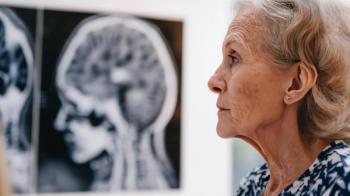
Sleep disruption fuels Alzheimer risk via apnea, fragmentation, and inflammation; improving consolidated sleep, medication review, and sleep-specialist teamwork may protect cognition.
Blood-based biomarkers are helping clinicians move past vague dementia diagnoses, but an expert says the tests belong only after a full workup in patients with objective impairment.
CONFERENCE REPORTER
At the 2026 Jersey City Psychiatry Conference, George Grossberg, MD, the Henry and Amelia Nasrallah Professor in Geriatric Psychiatry at Saint Louis University School of Medicine, discussed the gap between dementia science and everyday clinical practice. He also outlined how clinicians should use the newly available blood-based biomarkers for Alzheimer disease.
Grossberg said the biggest gap has been imprecise diagnosis. Patients are often referred with labels such as "dementia" or "senile dementia," or their symptoms are put down to age-related cognitive change.
"Now we are getting better and better at more precisely diagnosing, not just to say dementia, but what type of dementia does Mrs Jones have? Once you know what you're dealing with more specifically, then you can target more appropriate therapy," Grossberg said.
He credited the narrowing gap to the arrival of 3 FDA-cleared blood-based biomarkers in a little more than a year. The first, the one most widely used, was cleared in May 2025.1 As clinicians learn to use these tests appropriately, Grossberg expects fewer "wastebasket" diagnoses and more specific ones.
Grossberg stressed that the tests are not meant for every older or middle-aged adult who is worried about memory. Guidelines recommend them only for people with objective cognitive impairment.2
He described a patient's son in his mid-50s, with no cognitive changes, who asked about getting the same blood test his father with Alzheimer disease had received. "That's a great question. But we are not there yet. The science is not there yet," Grossberg said.
When a patient shows memory or cognitive changes that concern them or their family, Grossberg said the first step is a complete dementia workup. That includes:
Only after that evaluation should a blood-based biomarker be ordered.
Dr Grossberg is the Henry and Amelia Nasrallah Professor in Geriatric Psychiatry at Saint Louis University School of Medicine.
References
1. US Food and Drug Administration. FDA clears first blood test used in diagnosing Alzheimer's disease. News release. May 16, 2025. Accessed October 3, 2026.
2. Palmqvist S, Whitson HE, Allen LA, et al.